Italian Neorealism · Ranked
Best Italian Neorealism Films, Ranked by IQ Score
The postwar movement that reshaped what cinema could be. Every canonical entry, ranked by IQ Score.
Italian Neorealism is the postwar movement (roughly 1945-1952) that reshaped what cinema could be. The structural commitments, non-professional actors, on-location filming with available light, working-class subject matter, narrative refusal of melodrama, defined a generation of postwar European cinema and directly influenced the French New Wave, American independent cinema, and global art-cinema for the next half century.
Anchor picks: Bicycle Thieves (1948) is the canonical De Sica entry. Rome, Open City (1945) is the canonical founding text. La Strada (1954) marks Fellini's transition out of Neorealism into his own register. Umberto D. (1952) is the catalog's most-emotionally-direct entry.
10 titles · ranked by IQ Score
Ranked by IQ Score. None of the 10 titles on this list has yet been re-verified under the current standard; all carry legacy scores, published before August 2026 under our earlier workflow, and are queued for re-verification, children's catalog first. Each title page states its class. About score classes → · Verification status →
-
1
-
2
-
3
-
4
-
5
-
6
-
7
-
8
-
9
-
10
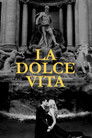


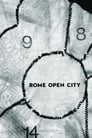
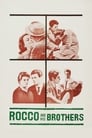


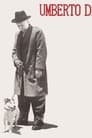


Get the Saturday drop.
Every Saturday: 3 new TVI scores, 1 Brain Diet playlist, and the thinking behind what's worth watching. Free.
Questions about this ranking
What is the best Italian Neorealism film?
By IQ Score on TV Intelligentsia, Bicycle Thieves (1948), Rome Open City (1945), and Umberto D. (1952) anchor the movement's canonical entries. La Strada (1954) marks Fellini's transition out of Neorealism.
What defines Italian Neorealism?
Italian Neorealism (1945-1952) was defined by four structural commitments: non-professional actors, on-location filming with available light, working-class subject matter, and narrative refusal of melodrama. The movement directly influenced the French New Wave, American independent cinema, and global art-cinema.
Why is Bicycle Thieves so canonically important?
Bicycle Thieves (1948, De Sica) is one of the most-cited films in serious film criticism. Its structural commitment to the simple narrative (a Roman worker's bicycle is stolen, he searches for it with his son) and the non-professional actor cast established the canonical Neorealism formal template subsequent decades' cinema worked inside.
Founding Circle
Lifetime membership, one payment.
Founders get the monthly founders newsletter, quarterly deep dives with a 30-day founder-first window, two title requests a year, and a place on the founders wall. $99 once. 50 Founding memberships total across both offers.
Claim your spot →Browse every ranked list on TV Intelligentsia
202 ranked-by-IQ lists, filmographies, decade hubs, year hubs, character rankings, streaming-platform lists, and editorial curations. All scored on the same published rubric.
See all ranked lists → Open the full database