Korean Drama · All-Time Ranked
Best K-Dramas of All Time, Ranked by IQ Score
Korean drama scored on the same rubric as everything else in the database, no language adjustment, no cultural adjustment, no Squid-Game-recency bias. The titles below stand on what they do.
K-drama gets two kinds of coverage in mainstream Western entertainment writing: the breakout-phenomenon piece (Squid Game, Parasite) and the introductory-guide piece ("if you liked X, watch Y"). Neither does the work of measuring what the medium has been doing for thirty years. The TVI rubric treats Korean drama the same way it treats everything else, Cognitive Stimulation (40%), Educational Value (35%), Craft & Quality (25%), with no language or cultural adjustment.
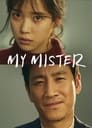
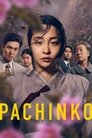
What emerges from honest scoring is a different ranking than the discourse would predict. My Mister (189) is the highest-IQ K-drama in the database, a slow, structurally severe 16-episode portrait of a middle-aged man and a young woman that almost no Western critic has written about. Mr. Sunshine (187) does historical-period drama with the rigor of literary fiction. Pachinko (155), adapted from Min Jin Lee's novel, is the rare adaptation that earns its source.
The phenomenon shows score lower than the discourse suggests. Squid Game (124, Competent) is exactly what the rubric reads: exceptional craft, modest cognitive density, an entertainment-engine that earned its global moment without being structurally ambitious. That's not a knock, it's the score. The K-drama canon is bigger and stranger than the Squid Game narrative.
17 titles · ranked by IQ Score
Ranked by IQ Score. None of the 17 titles on this list has yet been re-verified under the current standard; all carry legacy scores, published before August 2026 under our earlier workflow, and are queued for re-verification, children's catalog first. Each title page states its class. About score classes → · Verification status →
-
1
-
2
-
3
-
4
-
5
-
6
-
7
-
8
-
9
-
10
-
11
-
12
-
13
-
14
-
15
-
16
-
17











Get the Saturday drop.
Every Saturday: 3 new TVI scores, 1 Brain Diet playlist, and the thinking behind what's worth watching. Free.
Questions about this ranking
What is the best K-drama of all time?
My Mister holds the highest IQ Score among Korean dramas at 189/200 (Masterclass tier) on TV Intelligentsia, a slow, structurally severe 16-episode portrait that earns its place by treating its subject with the discipline of literary fiction. Mr. Sunshine follows at 187/200 for historical-period drama executed at the same level.
How does TVI rank K-dramas?
Korean dramas are scored on the standard TVI rubric: Cognitive Stimulation (40%), Educational Value (35%), Craft & Quality (25%). No language adjustment, no cultural adjustment, no recency bias toward phenomenon shows. The same three dimensions used across the full 2,607-title database.
Why does Squid Game score lower than expected?
Squid Game scores 124/200 (Competent tier) on TV Intelligentsia because the rubric measures structural intellectual quality, not cultural impact. The show has exceptional craft and an entertainment engine that earned its global moment, but moderate cognitive density and modest educational value relative to top-scoring K-dramas like My Mister (189) and Mr. Sunshine (187). Cultural impact is real but it isn't what the rubric measures.
Founding Circle
Lifetime membership, one payment.
Founders get the monthly founders newsletter, quarterly deep dives with a 30-day founder-first window, two title requests a year, and a place on the founders wall. $99 once. 50 Founding memberships total across both offers.
Claim your spot →Browse every ranked list on TV Intelligentsia
202 ranked-by-IQ lists, filmographies, decade hubs, year hubs, character rankings, streaming-platform lists, and editorial curations. All scored on the same published rubric.
See all ranked lists → Open the full database