Inception vs The Matrix
Two Mind-Bending Sci-Fi Films, Compared, scored on TV Intelligentsia's published methodology rubric.
Inception scores 164/200 (Masterclass tier); The Matrix scores 160/200 (Masterclass tier). Inception outscores The Matrix by 4 points on TV Intelligentsia's published methodology rubric.
Neither score on this page has yet been re-verified under the current standard; both are legacy scores, published before August 2026 under our earlier workflow and queued for re-verification. Each title page states its class. About score classes → · Verification status →

Dimensional Breakdown
The thesis
Inception and The Matrix are the two most-cited mind-bending sci-fi films of the past 30 years. Both invented visual languages for their conceptual premises (nested dreams; the simulated reality). Both reshape how audiences talk about cinema and reality. The methodology can hold both honestly.
The case for Inception
Inception (164, Masterclass) earns its score through architectural commitment. Christopher Nolan's five-layer dream structure is the formal apparatus; the heist-within-the-dream-within-the-dream is the formal joke. C=44, E=33, Q=47. Its Educational Value comes less from researched content than from the cognitive load of holding the nested structure.
The case for The Matrix
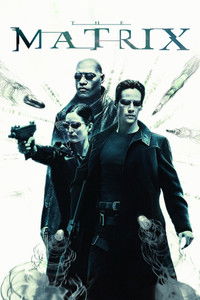
The Matrix (160, Masterclass) earns its score through philosophical apparatus. The Wachowskis' commitment to letting the simulation-reality argument carry Cartesian and Buddhist weight (the red pill / blue pill scene is genuinely philosophical), and the bullet-time visual language, give it the highest Cognitive Stimulation and Craft in this pairing. C=47, E=26, Q=48.
The verdict
Inception edges The Matrix by 4 points (164 vs 160). Both are Masterclass. The Matrix leads on Cognitive Stimulation (47 vs 44) and Craft (48 vs 47); Inception's higher Educational Value (33 vs 26), the cognitive load of its nested structure, gives it the narrow overall edge.
Frequently asked
Which has the better action sequences?
The Matrix. The bullet-time choreography defined a visual language that 25 years of cinema has been catching up to. Inception's action is well-executed but conventional (the hallway fight is the standout); The Matrix's action invented a form.
Which has the more-coherent ending?
Inception's spinning-top ambiguity is one of cinema's most-cited final shots. The Matrix's first-film ending is structurally complete; the trilogy's later complications are separate.
Are both worth re-watching?
Yes. Inception rewards re-watch for the architectural clarity. The Matrix rewards re-watch for the philosophical specificity that the first viewing's action sequences can obscure.
Which influenced more later cinema?
The Matrix, by a wide margin. The visual language (bullet-time, the action choreography, the cinematography palette) reshapes every subsequent action film. Inception's influence is on specific Nolan-tradition films (Tenet, Doctor Strange) rather than on the form broadly.
See what your watchlist asks of you.
Enter 3 to 5 titles. Get your TVI Score, your profile breakdown, and personalized recommendations. Free, 60 seconds.
Run the 60-second watch audit →