Pulp Fiction vs Reservoir Dogs
Two Early Tarantino Films, Compared, scored on TV Intelligentsia's published methodology rubric.
Pulp Fiction scores 174/200 (Masterclass tier); Reservoir Dogs scores 164/200 (Masterclass tier). Pulp Fiction outscores Reservoir Dogs by 10 points on TV Intelligentsia's published methodology rubric.
Neither score on this page has yet been re-verified under the current standard; both are legacy scores, published before August 2026 under our earlier workflow and queued for re-verification. Each title page states its class. About score classes → · Verification status →
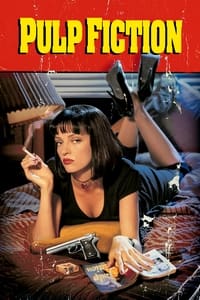
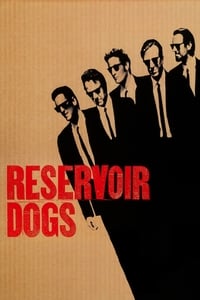
Dimensional Breakdown
The thesis
Pulp Fiction and Reservoir Dogs are Quentin Tarantino's first two features and define his early canon. They argue for different things the auteur could do at that career stage. Reservoir Dogs invents the Tarantino vocabulary; Pulp Fiction extends it to feature-length structural ambition. The methodology lets us see what each is doing.
The case for Pulp Fiction
Pulp Fiction (174, Masterclass) earns its score through nonlinear structure. The film's three-section anthology architecture (Vincent and Mia, the Bonnie situation, the boxing match) reshaped 1990s independent cinema's vocabulary. C=47, E=37, Q=47. Higher Educational Value than Reservoir Dogs because the nonlinear architecture demands cognitive integration in ways the single-location debut doesn't.
The case for Reservoir Dogs
Reservoir Dogs (164, Masterclass) earns its score through contained debut commitment. The single-location warehouse setting, the diamond-heist refusal to show the heist, and the structural-flashback rendering are the form-defining choices. C=45, E=35, Q=43. Lower Craft than Pulp Fiction because the debut budget constraints are visible.
The verdict
Pulp Fiction outscores Reservoir Dogs by 10 points (174 vs 164). Both are Masterclass. Pulp Fiction is the mature realization of the form Reservoir Dogs invented; the gap reflects the resources Tarantino had in 1994 vs 1992.
Frequently asked
Should I watch Reservoir Dogs first?
Yes, chronologically. Reservoir Dogs invents the Tarantino vocabulary (extended dialogue scenes, structural-flashback, music as character signature). Pulp Fiction extends that vocabulary; watching them in production order shows the formal evolution.
Which has the better dialogue?
Both are at the top of Tarantino's dialogue craft. Reservoir Dogs has the more-concentrated dialogue (the opening-credits diner scene is the canonical example). Pulp Fiction has the more-varied dialogue across its three sections.
Is the violence comparable?
Both are graphically violent. Reservoir Dogs' violence is more sustained-uncomfortable (the ear scene); Pulp Fiction's is more shockingly-deployed (the basement scene). Neither is gratuitous on the rubric; both serve the structural argument.
Which influenced more later cinema?
Pulp Fiction. The nonlinear-anthology structure reshaped 1990s and 2000s American cinema (Memento, Magnolia, 21 Grams, Babel all owe debt). Reservoir Dogs' influence is on Tarantino's own filmography rather than on cinema broadly.
See what your watchlist asks of you.
Enter 3 to 5 titles. Get your TVI Score, your profile breakdown, and personalized recommendations. Free, 60 seconds.
Run the 60-second watch audit →