The Jinx vs Making a Murderer
Two True-Crime Docuseries, Compared, scored on TV Intelligentsia's published methodology rubric.
The Jinx scores 184/200 (Masterclass tier); Making a Murderer scores 166/200 (Masterclass tier). The Jinx outscores Making a Murderer by 18 points on TV Intelligentsia's published methodology rubric.
Neither score on this page has yet been re-verified under the current standard; both are legacy scores, published before August 2026 under our earlier workflow and queued for re-verification. Each title page states its class. About score classes → · Verification status →

Dimensional Breakdown
The thesis
The Jinx and Making a Murderer are the two most-culturally-consequential true-crime docuseries of the 2010s. Both produced real legal outcomes (Robert Durst's arrest; Steven Avery and Brendan Dassey's ongoing appeals). They argue for different things the form can do. They are also two structural antipodes of how documentary can interact with the justice system.
The case for The Jinx
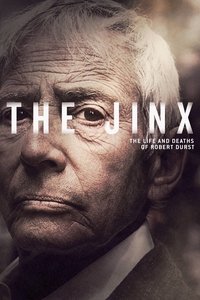
The Jinx (184, Masterclass) earns its score through Andrew Jarecki's structural commitment to letting Robert Durst incriminate himself on camera. The series's six-episode runtime and the hot-mic 'killed them all, of course' finale produced an actual arrest. C=46, E=47, Q=45.
The case for Making a Murderer
Making a Murderer (166, Masterclass) earns its score through Laura Ricciardi and Moira Demos's documentary-as-advocacy commitment. The Netflix series's 10-episode runtime is structured as a sustained case-for-innocence argument about Steven Avery. C=41, E=43, Q=40. Lower Craft than The Jinx because the advocacy framing reduces structural precision.
The verdict
The Jinx outscores Making a Murderer by 18 points (184 vs 166). Both are Masterclass true-crime docuseries. The Jinx is the more-formally-precise work; Making a Murderer is the more-substantively-engaged-with-the-system work. The gap reflects The Jinx's tighter execution across all three dimensions, not advocacy success.
Frequently asked
Which is more ethically rigorous?
Contested. The Jinx is more-formally-disciplined (the chronological-investigation structure, the Jarecki interviews) but has been criticized for the timing of evidence delivery to law enforcement. Making a Murderer is more openly-advocacy-framed; viewers know the editorial position. Different ethical postures.
Should I watch The Jinx Part Two?
If you watched Part One, yes. The 2024 continuation extends the Durst story through his trial and death; the structural argument completes. Many viewers consider Part One the canonical work.
Did Making a Murderer change the legal outcomes?
Partially. Brendan Dassey's confession-coercion issue received subsequent legal attention. Steven Avery remains incarcerated. The series's broader impact has been on public discourse about wrongful-conviction systems rather than on specific case outcomes.
Which influenced the genre more?
Both. The Jinx (2015) and Making a Murderer (2015) released within months and together defined the modern true-crime docuseries form. Subsequent series (The Keepers, Wild Wild Country) inherit structural elements from both.
See what your watchlist asks of you.
Enter 3 to 5 titles. Get your TVI Score, your profile breakdown, and personalized recommendations. Free, 60 seconds.
Run the 60-second watch audit →