Whiplash vs The Social Network
Two Early-2010s Auteur Films, Compared, scored on TV Intelligentsia's published methodology rubric.
Whiplash scores 172/200 (Masterclass tier); The Social Network scores 175/200 (Masterclass tier). The 3-point gap is within methodology noise, treat them as equivalent at the rubric's resolution.
Neither score on this page has yet been re-verified under the current standard; both are legacy scores, published before August 2026 under our earlier workflow and queued for re-verification. Each title page states its class. About score classes → · Verification status →

Dimensional Breakdown
The thesis
Whiplash and The Social Network are the two most-cited early-2010s American auteur films. Both center charismatic-but-difficult protagonists chasing excellence at personal cost. Both produced Best Picture nominations. They argue for different things the form can do. The methodology lets us see what each is doing.
The case for Whiplash
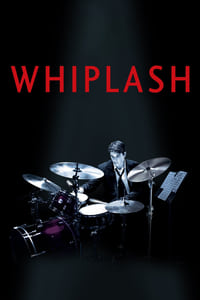
Whiplash (172, Masterclass) earns its score through compression commitment. Damien Chazelle's debut feature renders jazz-conservatory mentorship as physical and psychological warfare; the 9-minute final drum-solo sequence is one of the most-precisely-edited single sequences in 2010s cinema. C=47, E=40, Q=41.
The case for The Social Network
The Social Network (175, Masterclass) earns its score through dialogue-rate commitment. Aaron Sorkin's screenplay and David Fincher's direction render the Facebook-founding deposition apparatus as the structural argument; the rapid-fire dialogue rate redefined late-2000s American cinema. C=43, E=45, Q=43.
The verdict
The Social Network outscores Whiplash by 3 points (172 vs 175). Within methodology noise. Both are Masterclass. The Social Network is the more-substantively-researched work (Educational Value 45 vs 40); Whiplash is the more-formally-compressed one (the runtime is 30 minutes shorter). The choice is register, not score.
Frequently asked
Which has the better screenplay?
The Social Network. Aaron Sorkin's dialogue-rate is structurally unprecedented; the deposition framing carries the entire narrative across two time periods. Whiplash's screenplay is excellent at its register (instructor-student two-hander) but less broadly ambitious.
Is J.K. Simmons's Whiplash performance comparable to Daniel Day-Lewis-tier?
Yes. The Best Supporting Actor Oscar is appropriate; the performance is one of the most-cited single-character intensities of 2010s cinema.
Which influenced more later filmmaking?
The Social Network. The dialogue-rate redefined dialogue-driven cinema; subsequent Fincher works (Mank, Gone Girl) and Sorkin's later projects all extend the form. Whiplash's influence is on Chazelle's own filmography (La La Land, First Man, Babylon) rather than on cinema broadly.
Which is harder to watch?
Whiplash. The instructor-student violence is sustained-uncomfortable. The Social Network's deposition-and-flashback structure is more intellectually demanding but less emotionally taxing.
See what your watchlist asks of you.
Enter 3 to 5 titles. Get your TVI Score, your profile breakdown, and personalized recommendations. Free, 60 seconds.
Run the 60-second watch audit →