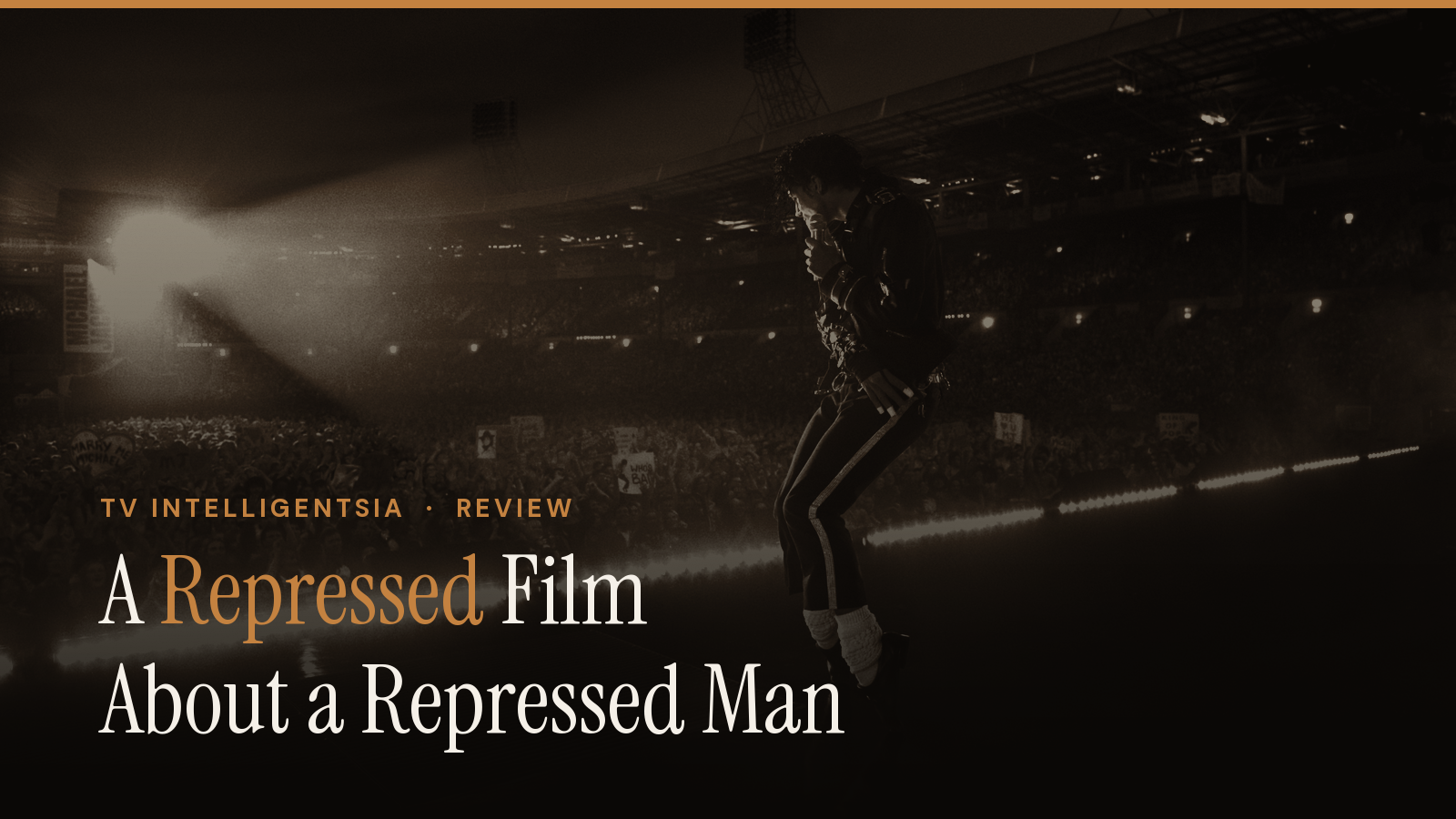
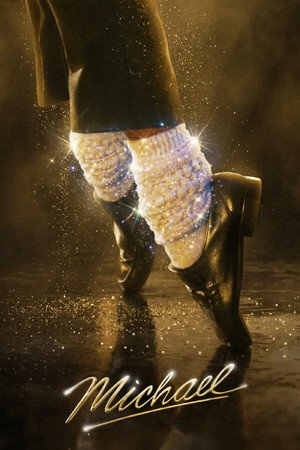
Michael Jackson's life was edited before he was old enough to have an unedited self.
Joe Jackson edited the child into a prodigy. Motown and the machinery after it edited the prodigy into a product. Fame edited the product into an image large enough that the person inside it could barely move. The tabloids edited him into spectacle. His defenders edited him into innocence. His critics edited him into accusation. After death, the estate edited him into catalog, brand, likeness, and legacy asset.
Antoine Fuqua's Michael arrives as the latest edit.
That is not only a criticism. It is the movie's subject, whether the movie understands it or not. This is the most expensive recent attempt to give Michael Jackson a final hearing, and it arrives under conditions that make a final hearing impossible. It is family biography, estate product, concert resurrection, legal artifact, and grief object all at once.
That is why the film is more interesting than a bad biopic and less honest than a good one.
Michael is a repressed film about a repressed man.
That sentence is the whole review.
The biopic the estate permitted
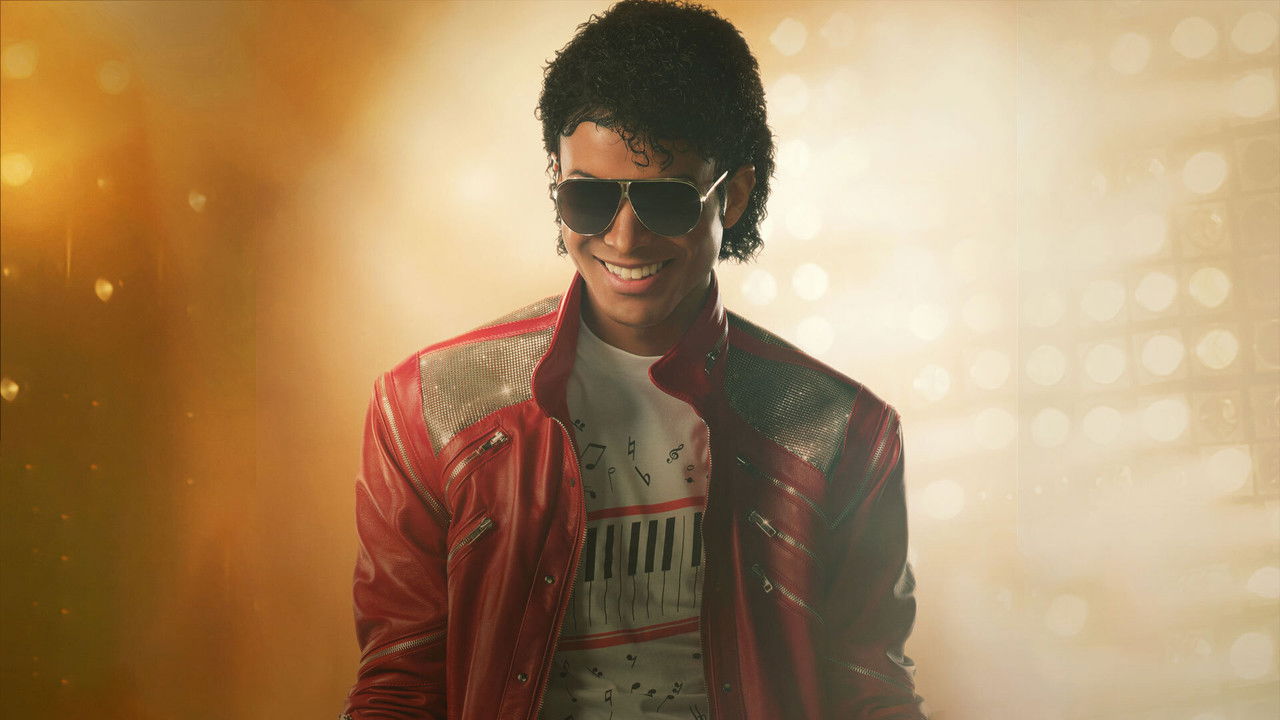
Jaafar Jackson, Michael's nephew and Jermaine's son, plays his uncle with more than resemblance. He has studied the delay before a phrase, the tilt of the head, the way Michael could make stillness feel choreographed. The performance sequences work because Jaafar understands that Michael did not merely dance to music. He made rhythm visible.
There are stretches when the film comes alive because his body tells the truth faster than the script can manage it. A heel strikes. A shoulder isolates. A breath lands at the exact edge of sound. For a moment the estate disappears, the discourse disappears, the litigation disappears, and the film remembers why anyone cared this much in the first place.
Then the movie starts explaining again, and the frame tightens.
The omissions are not incidental. Janet Jackson, Michael's sister and one of the most famous performers in the world, is absent from the film. Her name is not spoken. She is not depicted. La Toya Jackson said Janet was asked to participate and declined, and that decision should be respected. The absence still matters. Janet is not a distant relative. She is Janet Jackson. In a family-driven Michael Jackson biopic, her nonappearance is not trivia. It is negative space with a pulse.
The larger omission is even more structurally important. The film originally contained material connected to the 1993 sexual-abuse allegations involving Jordan Chandler. Trade reporting has described a major rewrite and reshoot after attorneys identified a settlement clause that barred Chandler from being depicted or mentioned in a film. The reshoots reportedly cost $10 million to $15 million, were covered by the Jackson estate, and helped give the estate an equity stake in the finished product.
That means the biopic that exists is not simply the film the artists made. It is the film that survived the conditions around it.
The distinction matters.
A movie can be beautifully performed and still be bounded by the financial and legal structure that produced it. A biography can contain true scenes and still be untrustworthy as biography. The problem is not that the film has a point of view. Every film does. The problem is that the movie wants the emotional authority of candor while operating inside the limits of protection.
It wants to feel like confession while functioning as management.
The performance is alive. The biography is supervised.
This is where the review has to hold two things at once.
I am a huge admirer of Michael Jackson the artist.
Not the myth. Not the estate object. The artist.
The musician who could make a snare hit feel like a moral event. The dancer who understood that the space before movement could be as charged as the movement itself. The vocalist who turned breath, gasp, yelp, whisper, and attack into a complete language. The performer who could make a stadium behave like a nervous system.
That admiration does not make the film's omissions easier to forgive. It makes them more frustrating, because the art is strong enough to survive honesty.
The film knows the art is real. It knows the discipline is real. It knows the performances are not merely famous but formally astonishing. Jaafar's best scenes are not impersonation in the cheap sense. They are acts of transmission. He is not only copying the external silhouette. He is trying to locate the pressure system underneath it.
The result is sometimes uncanny, and occasionally moving.
But the performance is asked to do too much. It has to resurrect Michael, soften Joe, stabilize the family, keep the music ecstatic, make the omissions feel tasteful, and supply the humanity the screenplay cannot risk giving in full. No actor, however gifted, can solve a film's moral architecture by moving beautifully inside it.
That is the central split. The body in the frame is alive. The biography around it is supervised.
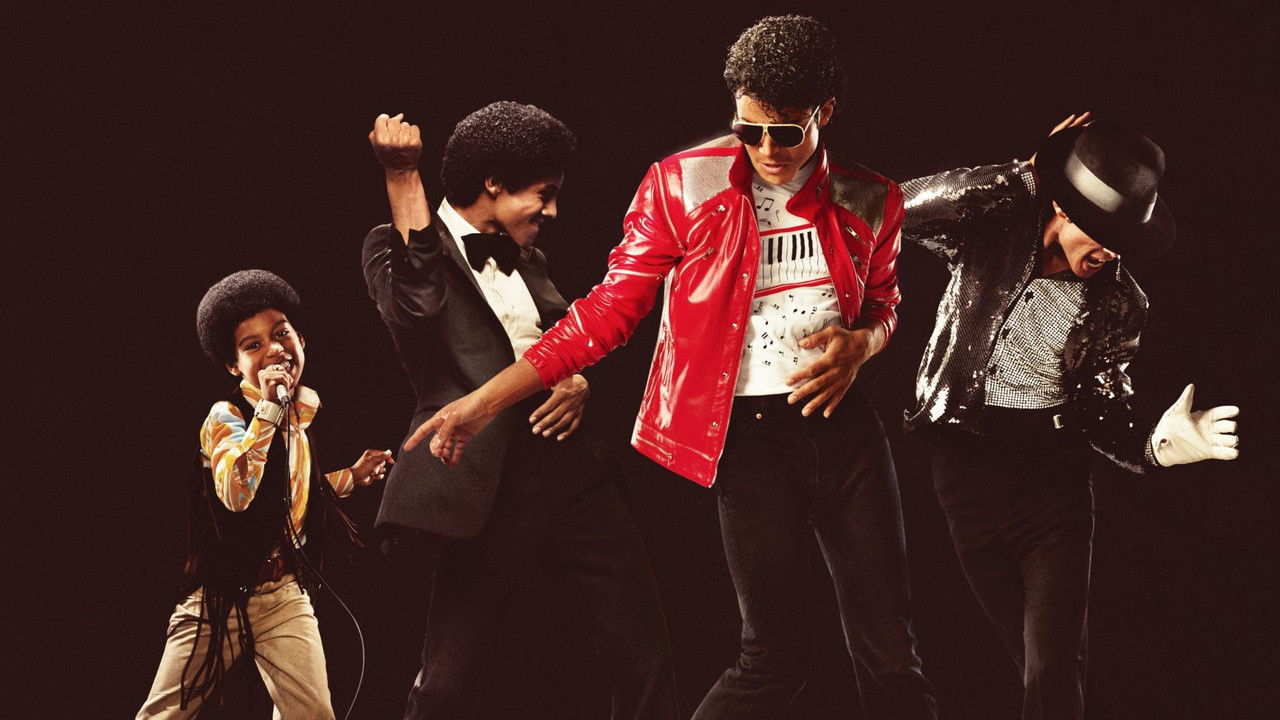
The cost of mastery
Where the film does land, and lands cleanly, is in its depiction of what it costs to become exceptional at anything.
The early Jackson 5 sequences, Motown rehearsals, domestic discipline, repetition, correction, waiting, polishing, all of it carries the blunt truth that mastery is not born in applause. It is made in private, through repetition so mundane that the final product almost lies about how it arrived.
The audience gets to enjoy the product. The film does the harder work of showing that the product came from the brutal part too.
That is the angle many reviews underplay. Film criticism is often good at identifying narrative omission. It is not always good at recognizing physical repetition. Anyone who has trained inside an unforgiving craft recognizes the pattern.
Surgical residents recognize it. Concert musicians recognize it. Special-operations candidates recognize it. Dancers recognize it before almost anyone.
Thousands of ordinary reps, conducted under fatigue and correction, produce a public output that looks like grace. The cost is not only time. It is narrowing. The world gets smaller around the craft. Hobbies fall away first. Then friendships that do not orbit the work. Then pieces of personality that were never useful to the task. What remains can be exact, formidable, and thinner than the person who began.
Most people who reach the top of anything make some version of that trade. The difference is that most make it as adults, or at least with the illusion of choice.
Michael did not.
The narrowing was done to him before he could consent to it, by a father who understood the mechanics of greatness and did not appear to weigh what greatness would cost a child. That is the distinction the film catches best. There is a mastery you walk toward, and there is a mastery you are pushed into so young that the self which might have chosen something else never has room to form.
The first can be survived and even enjoyed. The second produces a man who can command a stadium and still seem unprotected in a room.
That is the film's most valuable insight: the cost is real and the product is also real.
Both.
Not one or the other.
The discipline that gives the world "Billie Jean" is tied to the discipline that consumes the child who was supposed to grow into the man who could enjoy having made it.
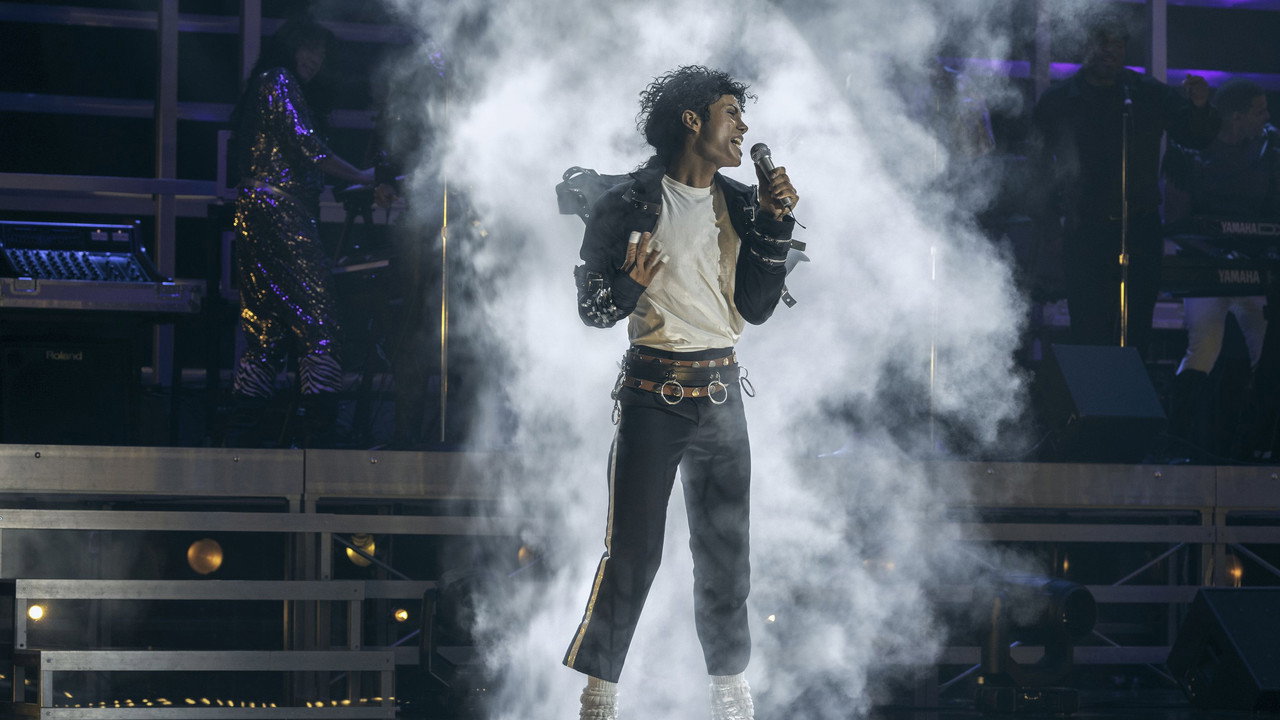
What the film owes and cannot pay
The hard question for any Michael Jackson film is not whether it admires him. It is whether it can hold contradiction without converting contradiction into public relations.
This film cannot.
That does not mean every scene is false. It means the structure cannot bear the full weight of the life. The film is most comfortable when Michael is child, prodigy, victim of paternal severity, misunderstood genius, bodily sufferer, and artist under impossible pressure. Those are true or plausibly true parts of the story. They are not the whole story.
A serious film would not need to adjudicate every allegation to acknowledge the moral complexity around the adult life. It would not need to become courtroom, prosecution, or defense. But it would have to make room for the fact that the public meaning of Michael Jackson cannot be separated from the allegations, from the people who made them, from the fans who reject them, from the institutions that profited on every side, and from the unresolved discomfort that still surrounds the name.
Michael mostly solves that discomfort by ending before it has to metabolize it.
There are legal reasons for that. There are commercial reasons. There are family reasons. There may even be artistic reasons if a sequel is planned. But a reason is not the same thing as an achieved form.
The result is a movie that wants to be intimate without becoming dangerous. It wants the wound without the infection. It wants the cost of childhood fame without the full consequences of what happens when childhood, fame, money, power, isolation, sexuality, dependency, and arrested development become one private world.
That is the missing film.
Not a film that convicts. Not a film that absolves. A film that can stay in the room.
This one leaves.
The critics and the audience were watching different movies
The critical and audience split around Michael is one of the most revealing things about it. Rotten Tomatoes lists the film at 38 percent with critics and 97 percent with verified audiences. That gap is not proof that critics are joyless or that audiences are gullible. It is proof that the two groups rewarded different things.
Critics saw the management. Audiences saw the resurrection.
Both reactions make sense.
If you come to Michael asking for biography, the film is evasive. If you come asking for the closest current approximation of a Michael Jackson concert, the film overdelivers. The audience response is not irrational. The film gives fans a body in motion, songs they love, family pain in a digestible structure, and the temporary feeling that the dead performer has returned with the controversy held outside the door.
That is powerful. It is also the problem.
The movie's commercial success does not cancel the criticism. Its critical failure does not cancel the audience experience. The split is the text. People who wanted the man found a managed object. People who wanted the performer found enough of him to be moved.
TVI's score of 121 lands between those readings, closer to the critical response because structure matters, but not so low that it pretends the craft failed. The film is not incompetent. It is constrained. It is often moving as performance and compromised as biography. It has passages of genuine craft inside a structure that cannot fully face itself.
That is a Competent film, not a great one.
Verdict
Worth watching as a cultural document, not as biography.
Jaafar Jackson deserves the next role on his own merits. The performance sequences are alive, sometimes thrilling, and occasionally eerie in the best way. The film understands the discipline behind mastery better than many biopics do. It also demonstrates, almost against itself, how difficult it is to tell the truth about a person when the person's image has become an asset managed by other people.
Watch it for Jaafar.
Watch it for the craft.
Watch it for the moments when the body remembers what the screenplay cannot say.
Then read elsewhere for the man.
The strangest thing about Michael is not what it leaves out. It is that the leaving-out becomes the most truthful thing in the film. The biopic about a man who was never permitted to be himself is itself a biopic that was never permitted to be itself. The repression of the subject and the repression of the work are not separate facts. They are the same logic, fifty years apart.
And still, underneath the management, something survives. A turn. A breath. A shoulder. A voice catching the edge of a phrase. A child trained past childhood into precision. An artist whose work remains too alive to be fully contained by the institution still trying to contain him.
That is the wound the movie cannot close.
Michael Jackson was edited all his life.
The film proves it by editing him one more time.