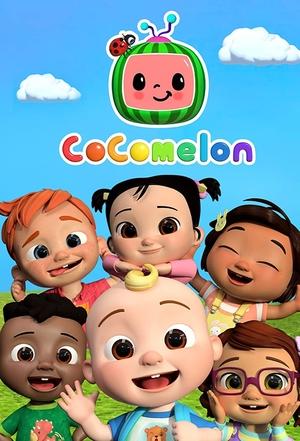
Cocomelon
Minimal cognitive demand; entertainment-driven
Score Breakdown
IQ = round((Cognitive × 0.4 + Educational × 0.35 + Craft × 0.25) × 4)
— How we score →
The TVI Take
Cocomelon is the most-watched children's program on YouTube and one of the most consequential pieces of content in early childhood development — which makes understanding its score more important than debating it. The show is not harmful in the way that misinformation is harmful. It is passive in the way that processed food is passive: not actively damaging in small doses, but nutritionally insufficient as a primary diet.
The SEL score of 8/50 is where parents should focus their attention. Based on the CASEL framework used in K-12 schools, Cocomelon's social-emotional content is nearly absent. Characters do not model emotional regulation, conflict resolution, or relationship repair in ways children can internalize. The show's emotional register is positive and repetitive — which is pleasant, but not developmental. Compare this to Daniel Tiger (SEL 48) or Bluey (SEL 46), where emotional complexity is the primary subject matter.
The IQ Score of 88 reflects a show that asks very little of a developing brain. Rapid visual cuts, repetitive musical loops, and simple stimulus-response narrative patterns are not building the cognitive architecture that more demanding content builds. This is the case for every parent who has noticed their child is more dysregulated after extended Cocomelon viewing: the show is not designed to engage children, it is designed to hold them. Those are different things.
Similar Shows
Part of a Brain Diet
Get scores for new titles every week.
The Intelligentsia Report — every Saturday. Free.