Game of Thrones
Significantly challenges the viewer intellectually
Score Breakdown
IQ = round((Cognitive × 0.4 + Educational × 0.35 + Craft × 0.25) × 4)
— How we score →
The TVI Take
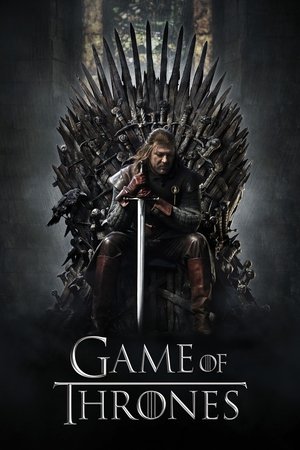
Game of Thrones at its peak (Seasons 1–4) is a serious study in political theory dressed as fantasy. The show's central argument — that power is a story told by whoever holds it, and that moral clarity is a liability in systems designed to punish it — is rendered with genuine intellectual rigor. Ned Stark doesn't die because the show is cruel. He dies because the show is honest about how institutions actually work.
The cognitive demand drops significantly in later seasons as the source material ran out and the writers opted for spectacle over consequence. This is reflected in TVI's scoring: the show's Stimulating rating represents its overall body of work, with the understanding that Seasons 1–4 would score considerably higher in isolation. The drop in narrative complexity in Seasons 7–8 is one of the clearest illustrations of what TVI's Cognitive Stimulation dimension actually measures — not production value, but how hard the story makes the viewer's brain work.
For viewers new to TVI's framework, Game of Thrones is a useful calibration point: a genuinely stimulating show that is also a cautionary tale about what happens when entertainment quality is prioritized over narrative and intellectual rigor.
Similar Shows
Get scores for new titles every week.
The Intelligentsia Report — every Saturday. Free.