Bluey vs Cocomelon
The Canonical Parent Comparison, scored on TV Intelligentsia's published methodology rubric.
Bluey scores 184/200 (Masterclass tier); Cocomelon scores 88/200 (Passive tier). Bluey outscores Cocomelon by 96 points on TV Intelligentsia's published methodology rubric.
Dimensional Breakdown
The thesis
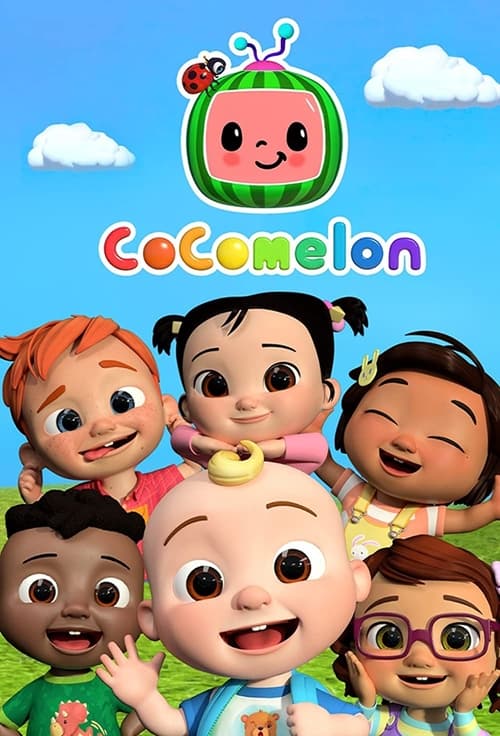
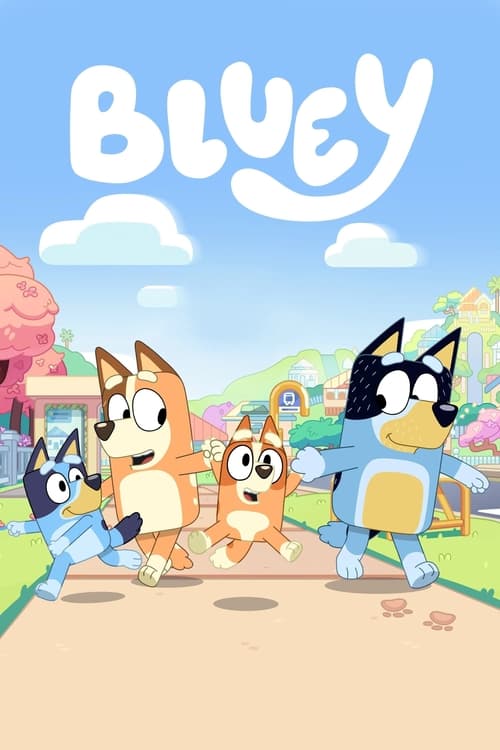
Bluey and Cocomelon are the two most-Googled children's shows by parents in the developed world. They argue for kids' television differently. Bluey is a structurally-precise short-form drama about play and parent-child dynamics. Cocomelon is engagement-optimized infant-targeted stimulus. The TVI methodology lets us name what each is doing without polemics.
The case for Bluey
Bluey (184, Masterclass) earns its score through structural commitment to letting a 7-minute episode carry the dramatic weight of a complete short story. Joe Brumm's writing centers play as the actual subject; each episode is a researched sketch of how children and parents negotiate connection, repair, and developmental work. SEL Score 46/50 reflects exceptional CASEL-framework execution. C=44, E=46, Q=48.
The case for Cocomelon
Cocomelon (88, Passive) earns its score by being engagement-optimized rather than developmentally constructed. The fast-cut color-saturated rendering generates retention metrics but does not produce the kind of sustained attention that supports language acquisition or executive-function development. C=16, E=24, Q=28. SEL score is low because the show does not model emotional regulation, perspective-taking, or repair-after-rupture.
The verdict
Bluey is the structurally better show by a wide margin (184 vs 88). The score gap is not a matter of opinion; it reflects rubric application. Cocomelon's massive YouTube success is a product of engagement engineering, not developmental design.
Frequently asked
Is Cocomelon actually bad for kids?
TVI's methodology measures content properties, not viewer outcomes. Cocomelon scores low (88, Passive) because its dimensions are low on cognitive stimulation and educational value. Whether Cocomelon causes harm in individual cases depends on consumption patterns, age, and what else the child watches. Cordelia Witty, EdS., NCSP, advises that high-stimulation engagement-optimized content displaces developmental viewing time.
Is Bluey appropriate for all ages?
Bluey works best for ages 3 to 8. The show models complex emotional dynamics (sibling conflict, parent burnout, intergenerational family patterns) that younger children may not fully parse but that older children find resonant. The SEL score (46) reflects exceptional CASEL-framework alignment.
Why does Cocomelon score lower than other kids shows?
The TVI rubric measures Cognitive Stimulation, Educational Value, and Craft. Cocomelon is engineered for engagement metrics (retention, repeat-views) rather than developmental support. The methodology consistently flags this distinction.
What should we substitute if Cocomelon is our default?
From the TVI Kids catalog: Bluey (184), Mister Rogers' Neighborhood (192), Daniel Tiger's Neighborhood (168), Puffin Rock, In the Night Garden, Sarah & Duck for low-stimulation viewing. See the swap guide on /kids/ for a guided comparison.
Score your own watchlist on the same rubric.
Enter the 3 to 5 shows you're watching now. Get your Intellectual Consumption Score, your gap dimension, and three Brain Diet upgrades. Free, 60 seconds.
Run the audit โ