Comparison

Bluey vs Daniel Tiger's Neighborhood

The Two Highest-Scoring Children's Shows, Compared, scored on TV Intelligentsia's published methodology rubric.

Bluey scores 184/200 (Masterclass tier); Daniel Tiger's Neighborhood scores 168/200 (Masterclass tier). Bluey outscores Daniel Tiger's Neighborhood by 16 points on TV Intelligentsia's published methodology rubric.

Bluey poster

Bluey

184 / 200
Masterclass View full breakdown โ†’
vs
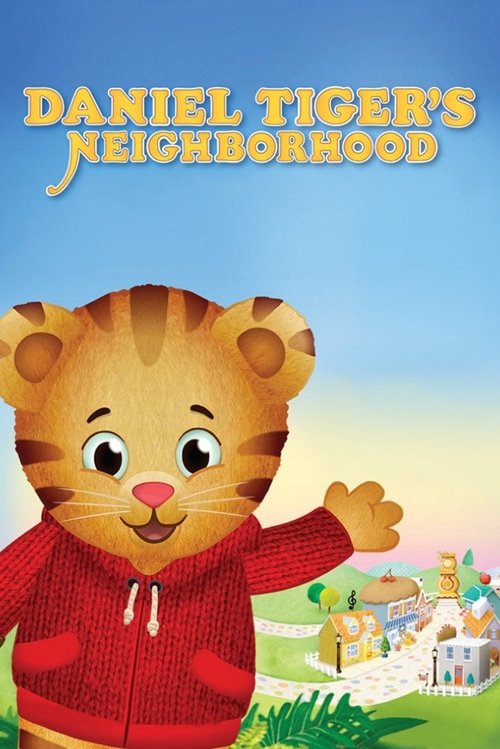
Daniel Tiger's Neighborhood poster

Daniel Tiger's Neighborhood

168 / 200
Masterclass View full breakdown โ†’

Dimensional Breakdown

Cognitive Stimulation
44
38
Educational Value
46
48
Craft & Quality
48
42

The thesis

Bluey and Daniel Tiger's Neighborhood are the two highest-scoring developmentally-anchored children's shows in the TVI Kids catalog. Daniel Tiger inherits Fred Rogers' explicit emotional-regulation register; Bluey demonstrates implicit modeling through play. Parents choosing between them are choosing between two theses about how kids' content teaches emotional skills.

The case for Bluey

Bluey (184, Masterclass) earns its score through implicit modeling. Joe Brumm's 7-minute episodes are play-driven and demonstrate emotional dynamics through the action rather than naming them directly. C=44, E=46, Q=48. SEL 46/50 through observation-and-emulation; the parents in Bluey are competent-but-flawed adults navigating real family rupture and repair.

The case for Daniel Tiger's Neighborhood

Daniel Tiger's Neighborhood (168, Masterclass) earns its score through explicit modeling. Angela Santomero's PBS series inherits Fred Rogers' instructional approach: each episode introduces a feeling, names it, gives the child a song-strategy. C=38, E=48, Q=42. SEL 47/50 through direct teaching; the show is built on developmental-psychology research.

The verdict

Both are Masterclass. Bluey scores higher overall (184 vs 168) on Craft and on Cognitive Stimulation (the play premises are more complex). Daniel Tiger scores marginally higher on SEL (47 vs 46) because direct emotional-vocabulary teaching is harder than implicit modeling at younger ages.

Frequently asked

Which is better for younger toddlers (ages 2 to 3)?

Daniel Tiger. The explicit emotional-vocabulary teaching is more developmentally appropriate for ages 2-3 than Bluey's implicit modeling. Bluey rewards a child who already has some emotional-regulation literacy.

Which is better for older kids (ages 5 to 8)?

Bluey. The play premises and family dynamics resonate with children who have already internalized basic emotional vocabulary and are ready for more-complex modeling.

Can I show both?

Yes. They are complementary. Daniel Tiger teaches the emotional vocabulary; Bluey demonstrates it in context. A child who watches both gets explicit instruction and modeled application.

Why does Bluey score 16 points higher overall?

Bluey's Craft (48) and Cognitive Stimulation (44) are higher than Daniel Tiger's (42 and 38). The play-driven premises demand more from young viewers' working memory and prediction skills. Daniel Tiger's instructional clarity is a different kind of achievement, scored slightly lower on the rubric's Cognitive Stimulation axis but higher on SEL.

Score your own watchlist on the same rubric.

Enter the 3 to 5 shows you're watching now. Get your Intellectual Consumption Score, your gap dimension, and three Brain Diet upgrades. Free, 60 seconds.

Run the audit โ†’