Toy Story vs Up
Two Pixar Canonical Films, Compared, scored on TV Intelligentsia's published methodology rubric.
Toy Story scores 129/200 (Competent tier); Up scores 151/200 (Stimulating tier). Up outscores Toy Story by 22 points on TV Intelligentsia's published methodology rubric.
Neither score on this page has yet been re-verified under the current standard; both are legacy scores, published before August 2026 under our earlier workflow and queued for re-verification. Each title page states its class. About score classes → · Verification status →
Dimensional Breakdown
The thesis
Toy Story and Up are two of Pixar's most-canonically-cited films. Toy Story (1995) launched the studio as a commercial force; Up (2009) launched its mature artistic register. They argue for different things the form can do. The methodology can hold both honestly.
The case for Toy Story
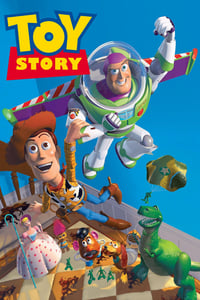
Toy Story (129, Competent, top end) earns its score through pioneering-CGI commitment. John Lasseter's 1995 film was the first feature-length computer-animated film; the structural achievement was demonstrating that CGI animation could carry character-driven narrative. C=40, E=21, Q=36.
The case for Up
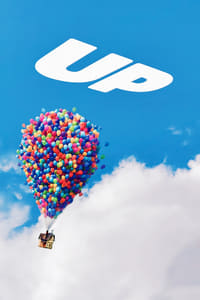
Up (151, Stimulating) earns its score through emotional-compression commitment. Pete Docter's 2009 film is famous for the 4-minute Carl-and-Ellie wordless opening that renders an entire marriage; the rest of the film is structurally subordinate to that opening's emotional weight. C=44, E=27, Q=43.
The verdict
Up outscores Toy Story by 22 points (129 vs 151). Both are Pixar canon. Up is the more-emotionally-ambitious work; Toy Story is the more-historically-significant one. The gap reflects Up's higher Cognitive Stimulation (44 vs 40) and slightly higher Educational Value (27 vs 21).
Frequently asked
Which should kids watch first?
Toy Story. The structural simplicity and bright-toy register is age-3-and-up appropriate. Up's wordless opening renders death and infertility in ways that can confuse very young viewers; ages 6+ is the typical recommendation.
Why does Toy Story score lower than I'd expect?
The 129 reflects Toy Story's dimensional scores on the TVI rubric, not its historical importance. The film is brilliantly-executed pioneering CGI animation; the rubric measures specific properties (Cognitive Stimulation, Educational Value, Craft) that Up scores higher on. Both are well-executed; they aim at different ambitions.
Which has the better sequel?
Different. Toy Story 4 closed the Buzz-and-Woody arc with mixed critical reception. Up has no direct sequel. The Toy Story franchise's serial structure is rare for Pixar; Up's standalone register reflects the studio's preferred single-film-per-concept approach.
Is Toy Story still worth watching in 2026?
Yes. The 1995 CGI looks dated by modern animation standards, but the character writing and structural commitment to letting toys be the actual subject hold up. Children watching Toy Story for the first time don't notice the CGI age the way adult viewers do.
See what your watchlist asks of you.
Enter 3 to 5 titles. Get your TVI Score, your profile breakdown, and personalized recommendations. Free, 60 seconds.
Run the 60-second watch audit →