WALL-E vs Inside Out
Two Pixar Emotional-Education Films, Compared, scored on TV Intelligentsia's published methodology rubric.
WALL-E scores 155/200 (Stimulating tier); Inside Out scores 164/200 (Masterclass tier). Inside Out outscores WALL-E by 9 points on TV Intelligentsia's published methodology rubric.
Neither score on this page has yet been re-verified under the current standard; both are legacy scores, published before August 2026 under our earlier workflow and queued for re-verification. Each title page states its class. About score classes → · Verification status →

Dimensional Breakdown
The thesis
WALL-E and Inside Out are the two highest-scoring Pixar films on the TVI rubric. Both demonstrate that animated family films can carry substantial adult-emotional weight. They argue for different things the form can do. WALL-E renders environmental-collapse longing; Inside Out renders emotional-development literacy. The methodology can hold both honestly.
The case for WALL-E
WALL-E (155, Stimulating, top end) earns its score through near-silent first-act commitment. Andrew Stanton's 2008 film renders environmental-collapse and consumer-stupor as the structural argument; the first 40 minutes have minimal dialogue and carry the emotional weight through formal precision. C=46, E=27, Q=44.
The case for Inside Out
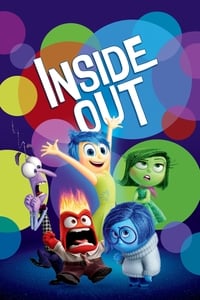
Inside Out (164, Masterclass) earns its score through emotional-pedagogy commitment. Pete Docter's 2015 film renders five basic emotions as literal characters; its structural argument gives emotional vocabulary a concrete narrative form. C=42, E=38, Q=44. Its Educational Value exceeds WALL-E's because that vocabulary is explicit and integral to the plot.
The verdict
Inside Out outscores WALL-E by 9 points (155 vs 164). Both are at the top of Pixar's catalog. Inside Out is the better emotional-curriculum work; WALL-E is the better formal-precision work. The gap reflects Inside Out's higher Educational Value (38 vs 27); WALL-E's higher Cognitive Stimulation (46 vs 42) partially offsets it.
Frequently asked
Which is better for young kids?
Inside Out. The explicit emotional-vocabulary teaching is age-3-and-up appropriate. WALL-E's environmental-collapse undertones work better for ages 6 and up; younger children read the surface (robot adventure) but miss the environmental argument.
Are both worth re-watching with kids?
Yes. Inside Out rewards rewatching because its emotional vocabulary operates at several age levels. WALL-E rewards rewatching because its robot adventure and environmental argument become legible on different passes.
Is Inside Out 2 in the TVI catalog?
Yes, scored separately. Inside Out 2 extends the emotional-vocabulary curriculum to adolescent emotions (Anxiety, Envy, Embarrassment, Ennui) and scores in the same tier range.
Should I trust Pixar's recent output?
Recent Pixar output is more variable than the 2008-2017 peak. WALL-E (2008) and Inside Out (2015) are at the catalog's top; later films like Soul (2020) maintain the tradition; some recent releases score lower. TVI catalogs each individually.
See what your watchlist asks of you.
Enter 3 to 5 titles. Get your TVI Score, your profile breakdown, and personalized recommendations. Free, 60 seconds.
Run the 60-second watch audit →