Toy Story 5: The Age of Toys Is Not Over
Screen time, friendship, and the difference between being reachable and being known
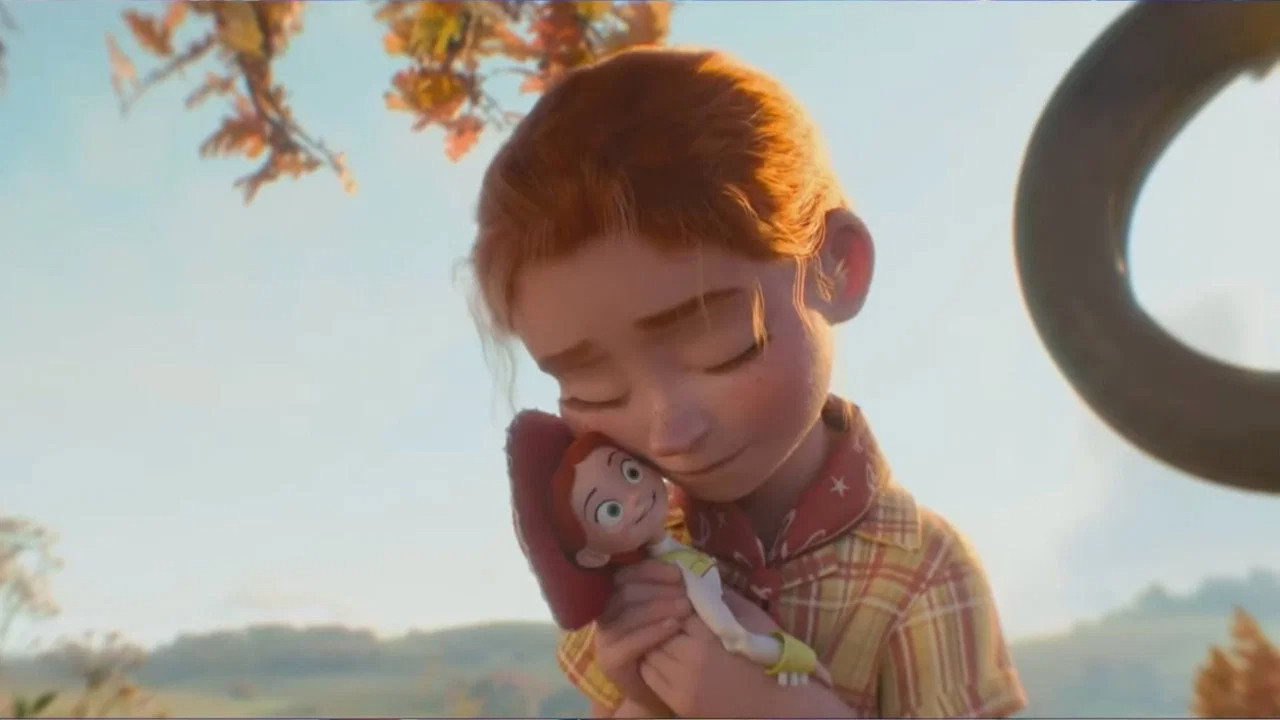
Toy Story 5 is not simply a story about toys versus tablets. Its stronger argument is about the distance between being reached and being known, and about whether new forms of connection still return a child to play, friendship, and another person who can meet her inner world.
Every parent knows the feeling.
Your child is right there. On the couch. In the car. At the restaurant. In the next room, quiet in a way that seems peaceful until it starts to feel a little too quiet. Their face is lit by a screen. They may be laughing. They may be messaging friends. They may be playing a game with other kids online.
They are occupied. They may even be connected.
And still, a small question remains: is this helping my child get to people, or helping my child avoid them?
That is the question Toy Story 5 understands.
Not whether screens are good or bad. That is too simple, and most parents already know it is too simple. Screens can help. Screens can harm. Screens give tired families a break. Screens keep kids in touch. Screens can also swallow whole afternoons, flatten a child's play, and make a lonely child easier to contact without making them any less lonely.
The movie's best idea is not that technology ruins childhood. Its best idea is gentler and more useful: a child can be reachable to everyone and still feel known by no one.
That is why this is a screen-time movie for parents. The toys matter, but the toy was never the whole point. The point was the kind of connection toys made possible. A toy gave a child something to hold while building a world. It let a child ask, without having to say it directly, "Will you come in here with me?"
That is what play does.
A screen can entertain a child. It can distract a child. It can connect a child. Sometimes it can even help a child find the right person. But it cannot replace the deeper thing a child is looking for when they play: the experience of being met by another living mind.
So the question Toy Story 5 gives parents is not just, "How much screen time?"
The better question is: what is the screen doing to my child's relationship with the world?
A parent note before we go further
This is not a guilt piece.
Parents do not need another article telling them they are failing because a tablet exists in the house. Most families are already trying to make impossible tradeoffs with limited time, limited energy, and a digital world that keeps changing faster than any parent can fully track.
The useful move is not panic. It is attention.
When a screen is helping your child get back to a person, a project, a conversation, or a real act of play, it may be doing something good. When it replaces those things, or makes your child feel included while quietly asking them to become smaller, something different is happening.
Toy Story 5 is strongest when it helps parents see that difference.
Jessie has been here before
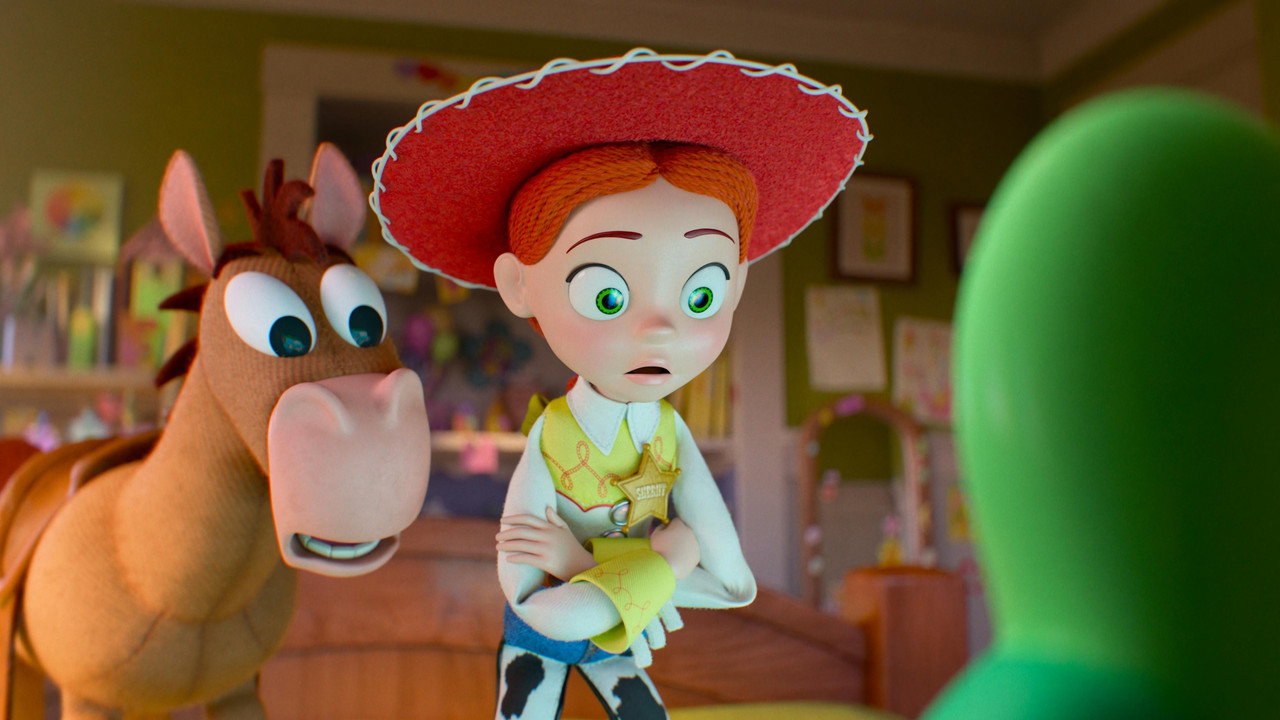
The movie makes Jessie its emotional center, and that choice matters.
Woody has already had his great crisis of being left behind. Buzz has had his. Jessie carries another wound. In Toy Story 2, she was loved by Emily, and then Emily grew up. Jessie was not hated. She was not rejected in some dramatic, cruel way. She was simply outgrown.
That is what made it hurt.
The love had been real. The play had been real. The bond had mattered. And still, its first form could not last forever.
So when Bonnie begins drifting toward a tablet, Jessie is not only worried about technology. She is recognizing an old feeling in a new form.
Bonnie is not Emily. The tablet is not a donation box. This is not the same loss happening again. But Jessie knows what it feels like when a child who once reached for you starts reaching somewhere else. She knows the fear of becoming less necessary to someone you still love.
The franchise has always carried this in its music. "You've Got a Friend in Me" has become emotional shorthand for being chosen, kept, and remembered, and when it returns, the film does not need to explain what kind of love is being invoked. Decades of memory do the work. The newer signal is quieter. Taylor Swift's end-credits song, written from Jessie's point of view, sits outside the score rather than woven through it, but it still tells you where the film's heart is. This is Jessie's story because Jessie understands the fear beneath the tablet better than anyone: love can be real, central, and irreplaceable, and still be outgrown.
Parents know some version of that too.
You feel it when your child closes a bedroom door they used to leave open. When they stop telling you every small thing. When they would rather text someone else than talk to you. When they still love you, but their world has widened, and the part of it you can enter has become smaller.
That can be healthy. It can even be beautiful.
It can also hurt.
Jessie's fear is not simple jealousy. It is the grief that comes when love has to change shape. The movie does not mock that fear. It gives it a face.
The screen changes the problem
Bonnie is not lonely because a tablet enters her life.
That would be the easy version, and the movie is more careful than that. Before the tablet arrives, Bonnie is already close to other children without quite being with them. She is in dance class. She can see the social world forming around her. She wants in. But she has not found the child who knows how to enter her world.
Then the tablet offers help.
That is important. The device does not arrive as obvious corruption. It arrives as a tool that promises to solve a real problem. Bonnie is lonely. Her parents are worried. The tablet offers access, invitations, games, group contact, and a way into the room.
Every parent understands why that is tempting.
No parent gives a child a device because they hate imagination. They do it because the device seems useful. Because the child is bored, excluded, anxious, tired, or hard to occupy. Because the parent needs twenty minutes. Because the child wants what every other child seems to have. Because the social world is moving there, and refusing it entirely can feel like refusing the world your child has to live in.
That is why the screen-time conversation has to be more honest than "screens are bad."
The tablet in Toy Story 5 is not evil. It is limited.
It can help Bonnie reach other children. It cannot make those children know her.
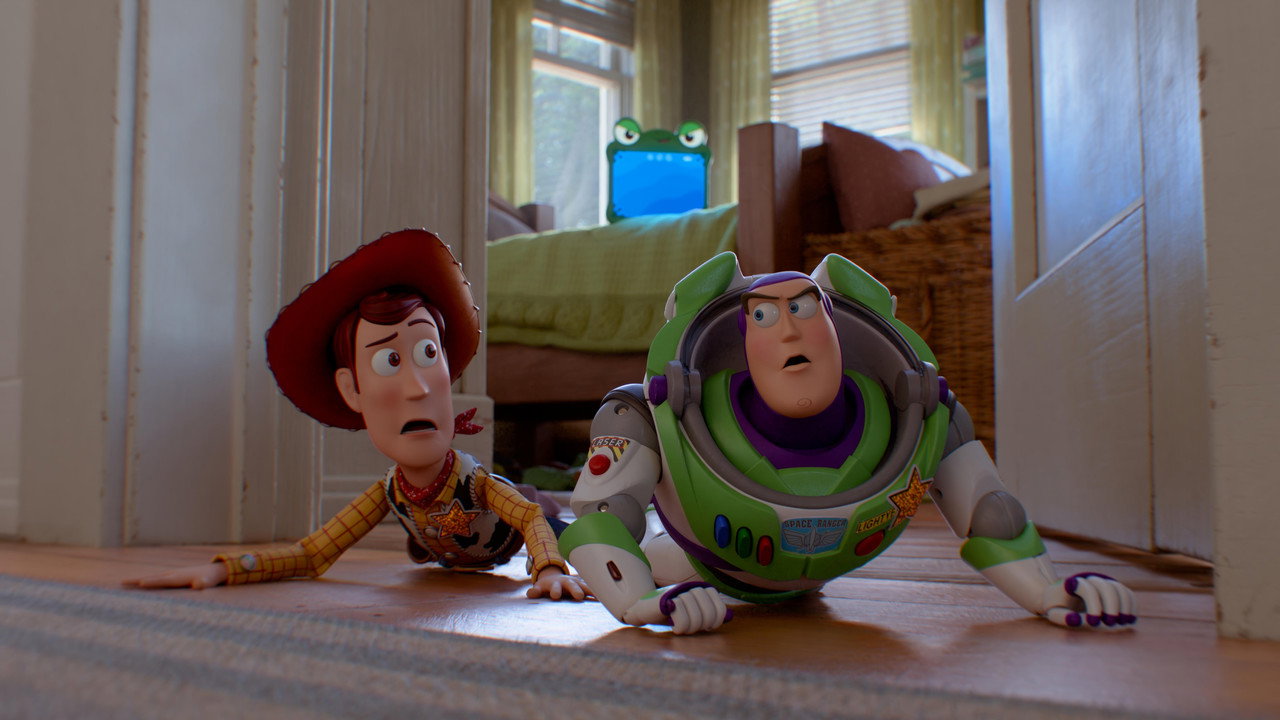
Being reachable is not the same as being known
This is the distinction parents should carry out of the movie.
Being reachable means a message can get to your child. Being known means someone has actually received your child.
Those are not the same.
A child can be in the group chat, tagged in the photo, invited to the sleepover, and still feel like no one in the room knows what to do with the real version of them.
That is Bonnie's pain.
The tablet can put her near other children. It can help her cross the first threshold. It can make her visible. But once she is there, the deeper question remains: can she be herself in that room?
The sleepover answers painfully.
Bonnie is technically included and emotionally alone. She is near the other girls, but not inside the world they are making. She starts to read the room. She sees what gets rewarded. She feels what will make her strange. And she begins to tuck away the parts of herself that do not fit.
That is the part parents should watch closely.
The danger is not only that a screen pulls a child away from play. The danger is that a child may learn, through screens and rooms and group chats and jokes that move too fast, that belonging requires performance.
If a child hides their imagination to be accepted, they may get access. They may get attention. They may get invited back.
But they will not feel known.
And if that happens often enough, it does not stay a childhood problem. A child who spends years performing the acceptable self can become an adult who has trouble finding the original one.
That is why the movie matters.
It is not just worried about tablets. It is worried about children learning to disappear while still looking connected.
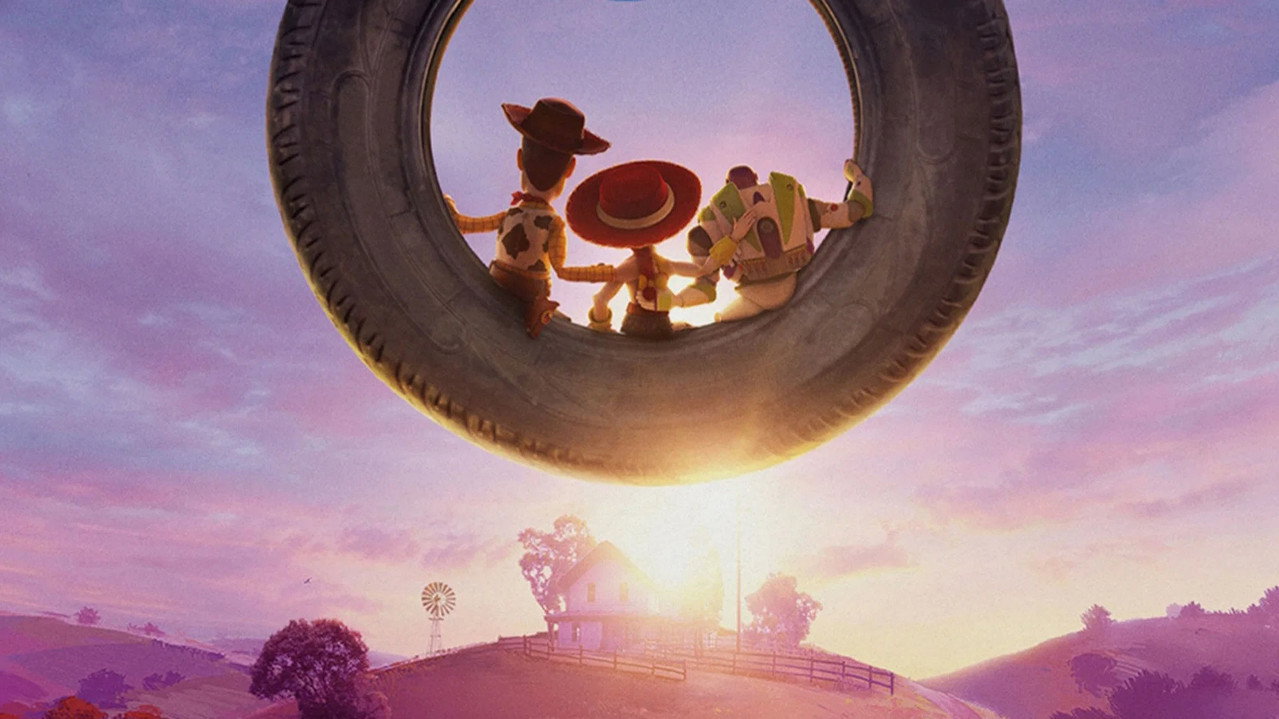
A child can be reachable to everyone and still feel known by no one.
A game can occupy a child. Play can reveal one.
The movie also understands something parents feel instinctively but do not always have language for.
There is a difference between a game and play.
Fred Rogers named that difference better than anyone. "Play is often talked about as if it were a relief from serious learning," he wrote. "But for children, play is serious learning. Play is really the work of childhood." The whole movie lives in the gap he describes. A device offers games, polish, and relief. A child needs the work.
A game gives a child rules. Press here. Win this. Lose that. Beat the level. Try again.
Play is different. Play is when a child makes the rules with someone else. This block is a castle. This blanket is the ocean. These toys are getting married. The rescue failed, so we have to start over. You be this one. I will be that one. No, now the story changed.
That may look small from the outside. It is not small.
Play is how children practice being people with other people. They learn to take turns, repair conflict, handle frustration, change the story, include another idea, defend their own idea, and survive the fact that another person sees the world differently.
This is not a soft claim. In 2018 the American Academy of Pediatrics issued a clinical report, The Power of Play, urging pediatricians to actively promote play with families, because play with other children is one of the central ways a young child builds executive function, language, and social and emotional skill, and one of the ways a child buffers ordinary stress. The careful version of the science, including reviews by Lillard and colleagues, treats pretend play as one important route among several rather than the single cause of those gains. But the direction is not in doubt. Play with another child is developmentally serious work, and a screen that quietly replaces it is not a neutral substitution.
A screen can offer images, polish, rewards, and endless stimulation. Play asks more from a child. It asks them to bring something from inside themselves into the room and see whether another person will meet it.
That is why the toy still matters.
Not because plastic is morally better than glass. Not because childhood has to look like it did thirty years ago. A toy matters because it can sit between two children and become whatever their shared imagination can make of it.
A good screen experience can support that. It can inspire play, connect friends, help a child create, or carry them toward someone they would not otherwise meet.
But if the screen replaces the shared world instead of opening it, something important is lost.
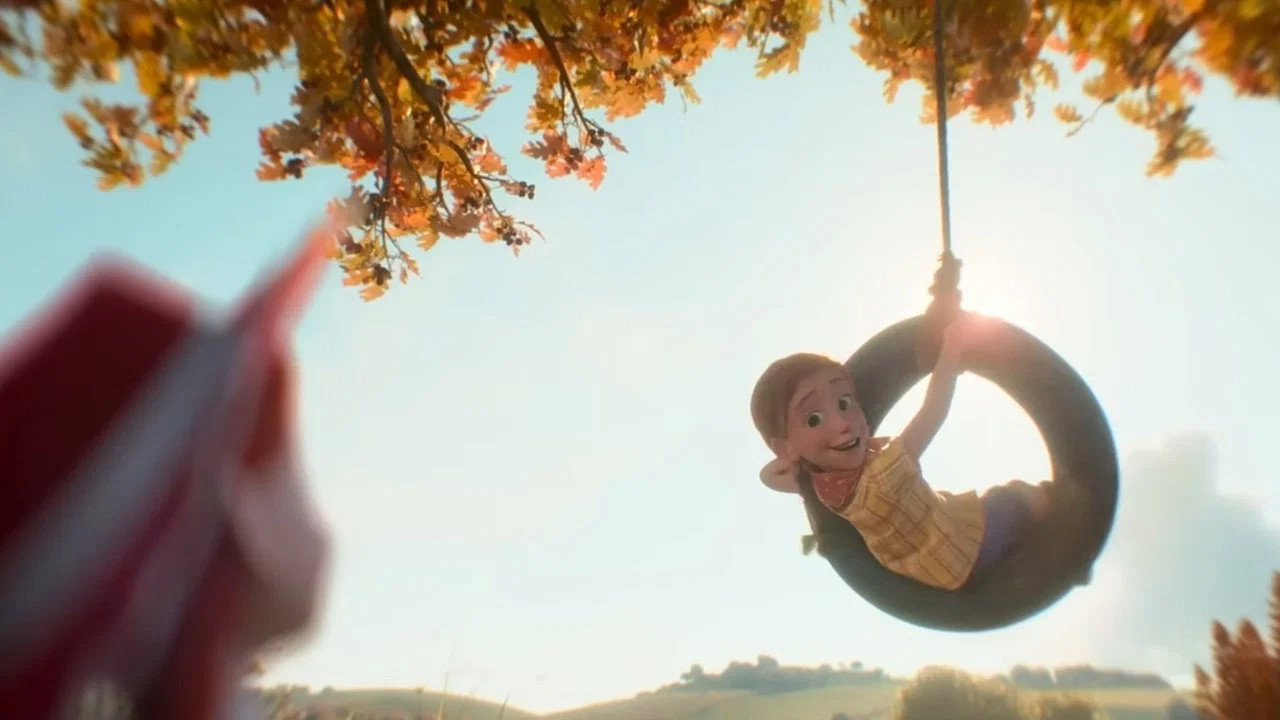
The movie knows this visually. When Bonnie imagines, the world feels looser, more handmade, more alive. The device world is bright and responsive, but it arrives finished. Bonnie's play is different because Bonnie is making it.
Children need some part of life where they are not only receiving a world. They are building one.
The friend matters more than the network
One of the warmest ideas in the movie is also one of the most useful for parents.
Bonnie does not need every child to understand her.
She needs one.
Not every room will know what to do with your child. Not every peer group will reward the way your child plays, talks, imagines, moves, jokes, or loves things. That does not mean the child is broken. Sometimes it means the fit is wrong.
That distinction matters.
Some children do need support with social skills. Some need coaching, practice, and help reading a room. That is real. But there is another mistake adults make: we can confuse a mismatch with a deficit. We can look at a child who has not found their people and assume the child needs to become less themselves.
Toy Story 5 pushes back on that.
The goal is not maximum reach. The goal is not the biggest network. The goal is not getting every child in the room to approve.
The goal is finding someone with whom your child's way of being becomes playable.
That is why Bonnie's mother's reassurance matters. When she tells Bonnie she would not change a single thing about her, the line is not just sweet. It gives Bonnie a floor to stand on. It tells her that the version of herself that feels hard to fit into the room is not a mistake.
There is strong developmental evidence under that line. When researchers ask why some children do well despite hardship, the most consistent answer is not temperament or talent. It is relationship. Summarizing decades of work, the National Scientific Council on the Developing Child at Harvard keeps arriving at one finding above the rest: the single most common factor for children who develop well is at least one stable, committed relationship with a supportive adult. Ann Masten calls this ordinary magic, resilience built not from rare gifts but from ordinary protective systems, and a caring adult who is reliably there is first among them.
That kind of love does not solve every social problem. It does not protect a child from every awkward moment. It does something more basic.
It gives a child somewhere to return.
And children need that before they can risk being fully themselves anywhere else.
The tablet is not the villain. Direction is the issue.
The best screen-time lesson in Toy Story 5 is not "throw it away."
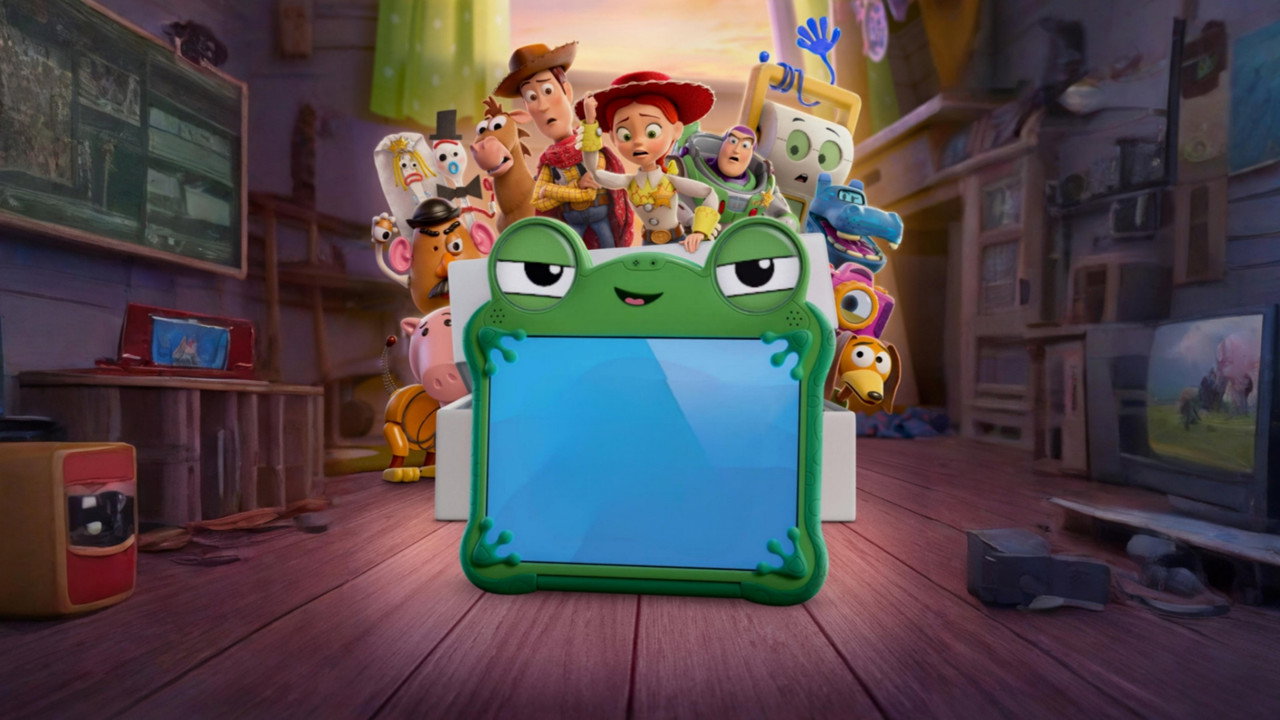
The movie does not smash the tablet. By the end, the device helps move two children toward each other. Then, crucially, it gets quieter.
That is the lesson.
A screen can be a bridge. A bridge is useful when it gets you to another person. It becomes a problem when it becomes the place you live.
So the practical question for parents is not only how much screen time your child gets. Time matters, but time is not the whole story.
Ask what direction the screen is pulling.
Is it pulling your child toward people or away from them?
Toward play or away from it?
Toward creation or only consumption?
Toward confidence or comparison?
Toward being known or only being reachable?
That is a better conversation than a number alone. It gives parents something to watch. It also gives children something to understand.
A screen is not automatically the enemy of childhood. But it needs a job. It needs direction. It needs adults nearby who can notice when the tool that was supposed to help connection has started replacing it.
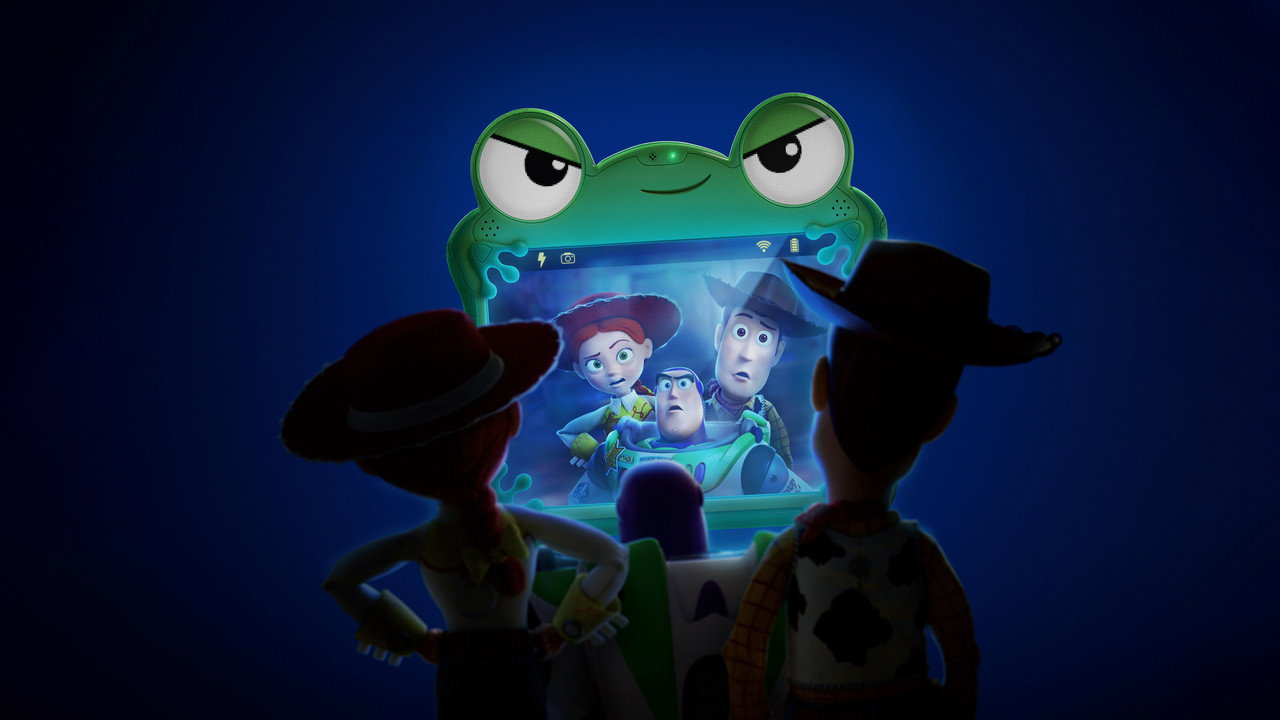
A bridge is useful when it gets you to another person. It becomes a problem when it becomes the place you live.
Where the movie still holds back
The film is warm and thoughtful, but it is not perfect.
The first limit is Bonnie. The movie argues that a child needs to be known, but we still mostly watch Bonnie from the outside. We see her through the toys' eyes, from the floor, the shelf, the backpack, the edge of the room.
There is a good reason for that. The movie wants parents to see their own child in Bonnie. It also wants us to feel what the toys feel: the ache of loving a child's inner world while no longer being able to enter it as easily.
Still, there is a cost. A movie about a child needing to be known keeps that child partly unknown.
The second limit is the ending. Toy Story has always been brave about loss. Andy grows up. Emily lets go. Childhood changes, and the franchise usually lets that hurt.
Toy Story 5 reaches toward that same pain, then softens much of it. The friendship arrives. The device is repurposed. Most of the loss is bought back.
For a family film, that warmth may be exactly what many viewers want. But the harder version of the movie might have stayed longer with the truth that not every form of love gets to continue in the way it began.
Even so, the film leaves parents with something worth keeping.
What to do after you watch
Do not turn the movie into a lecture.
Ask one good question and let your child answer first.
Try this:
"What is the difference between a game and playing?"
Or this:
"Have you ever been included but still felt like people did not really know you?"
Or this:
"What kind of friend can enter the world you like to make?"
Those questions are better than a speech about screen time. They let the movie become a conversation. They also let your child show you something about how they experience their own social world.
That may be the most useful thing Toy Story 5 can do for a family.
It gives parents a way to talk about screens without making the child defensive, and a way to talk about friendship without making the child feel judged.
The age of toys is not over
Your child will outgrow toys. They should.
They will outgrow certain games, certain rooms, certain rituals, certain versions of needing you. That is not failure. That is growing up.
But they should not have to outgrow being known.
That is the line Toy Story 5 protects.
I keep returning to that line, in part, because this piece itself exists through a new form. Cordelia and I did not write it across a table with a printed draft and a red pen. We worked through screens, recordings, and revisions. The form changed the work, and it also made the work possible. But the technology was never the relationship. It was only useful when it carried one mind toward another and then went quiet enough for the real exchange to happen. That is the whole test, for a tablet in a child's hands as much as for the tools I used to write this.
The toy was one of the great ways we found to help a child share an inner world. The tablet can interrupt that, or it can help carry the child toward someone who will share it with them.
What helps or harms a child is almost never the object itself. It is what the object is being used to do: carry them toward another person, or quietly stand in for one.
So watch the movie with your child, not just near them. Watch what they laugh at. Watch what makes them quiet. Ask about the game. Ask about the play. Ask who knows the world they are making.
Because a child does not need more ways to be reached.
They need a person whose face changes when it finally sees them.
The form changes.
The need does not.
Conversation, not a quiz
Pick one. Ask it, then let your child answer first. The movie works best as a story you talk about, not a lesson you deliver.
For grown-ups, or watching together
- The movie separates being reachable from being known. When have you felt reachable to everyone but known by no one? What is the difference, in your own life?
- Jessie's fear is not jealousy. It is the grief that comes when love has to change shape, the way Emily once outgrew her. Where have you felt a relationship turn into something smaller, and was that loss, growth, or both?
- The film argues the tablet is not the villain; the real question is which direction a screen pulls a child, toward people or away from them. Pick one screen in your home. Which direction is it pulling right now?
For children, especially ages 5 to 10
- What is the difference between a game and playing?
- Bonnie is invited to the sleepover but still feels alone. Have you ever been included but still felt like the people there did not really know you?
- Bonnie's mom says she would not change a single thing about her. Who in your life makes you feel like you do not have to change to be loved?
- Jessie was once Emily's favorite, and then Emily grew up. Is it sad, okay, or both when someone outgrows a toy, a game, or a stage? Why?
For younger viewers, with a grown-up
- What is your favorite way to play that is all your own, and not a game with rules on a screen?
- Bonnie has the most fun when she gets to make up the story herself. What story would you make up with your toys today?
- Who is the one friend who likes to play the way you like to play?
The credibility layer for what to watch
One scored, argued editorial a month, plus the next TVI Essential. No paid placements. No spam.
Common questions
Is Toy Story 5 appropriate for kids?
Yes. It is a Pixar film made for children, with mild peril and real emotional weight. Its value is what it gives a family to talk about: friendship, screens, play, and the difference between being reached and being known.
What is Toy Story 5 actually about?
Beneath the toys-versus-tablet marketing, it is about the difference between being reached and being known, why imaginative play is world-making rather than entertainment, and why a device is an accelerant of whatever a child's world already holds rather than a villain.
Is Toy Story 5 anti-screen?
No. The essay's read is that the screen is not the villain. A device can help a child cross a social threshold, but it becomes harmful when it replaces the encounter it was supposed to make possible.
Film: Toy Story 5 (2026), directed by Andrew Stanton, co-directed by McKenna Harris, score by Randy Newman. Disney and Pixar. Stills: Toy Story 5 (2026), used for review. Written by Jordan Robinson, MD, MPH, with developmental review by Cordelia Witty, EdS., NCSP. Published at tvintelligentsia.com/reviews/toy-story-5.