Is Westworld Worth Watching?
Short answer: Watch Season 1. Then decide.
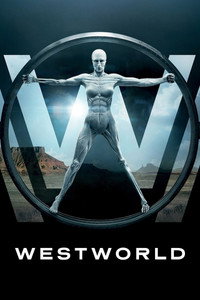
What you should know going in
HBO, four seasons, 36 episodes (2016-2022). Created by Jonathan Nolan and Lisa Joy. In a near-future amusement park, hosts (AI androids) populate a Western-themed setting where wealthy guests pay to live out violent and sexual fantasies. The hosts' growing consciousness becomes the show's structural subject.
Evan Rachel Wood, Thandiwe Newton, Jeffrey Wright, Ed Harris, Anthony Hopkins, Tessa Thompson, James Marsden. The cinematography commits to the production-design contrast between the corporate facility and the Western park. Ramin Djawadi's score is structurally tied to the show's reveals.
The case for
Cognitive Stimulation (43/50): Westworld Season 1's structural argument is that consciousness can be derived from suffering across iterations. The show's commitment to running multiple timelines simultaneously without identifying them, to having the audience operate ahead of some characters and behind others, and to letting the maze be both a literal object and a structural metaphor is rare in prestige TV.
Craft & Quality (43/50): Season 1's cinematography (Paul Cameron, Robert McLachlan) and production design (Nathan Crowley, Howard Cummings) are the strongest of the run. The Season 1 finale ('The Bicameral Mind') is one of the most-structurally-precise hours of streaming-era TV.
Educational Value (34/50): Modest. The show's references to Julian Jaynes's bicameral-mind theory and to consciousness philosophy are integrated rather than decorative. The first season earns these references structurally.
The case against
Seasons 2 through 4 are widely considered a step down. The show committed to expanding the timeline-and-perspective format to a degree the underlying argument did not support. By Season 4, the structural complexity becomes structural noise.
The show's commitment to violence (specifically sexual violence in the park) is sustained and graphic. The structural argument requires it; some viewers cannot watch it.
The show was canceled before its planned ending. Season 4 ends on a structural setup the show will not resolve.
The methodology verdict
On the TVI rubric, Westworld scores 159 (Stimulating tier, top end). The score reflects the strength of Season 1 averaged against the structural decline of Seasons 2-4. Season 1 alone would score in the Masterclass tier; the later seasons drag the average down.
Worth watching if: Season 1 alone is worth the commitment. After that, the show's value depends on viewer tolerance for structural complexity that does not always earn itself.
Not worth watching if: you cannot watch sustained graphic violence, or expect the show to deliver on the consciousness argument Season 1 set up.
Frequently asked
What is Westworld's IQ Score on TV Intelligentsia?
Westworld scores 159 out of 200 (Stimulating tier, top end). Cognitive Stimulation: 43/50. Educational Value: 34/50. Craft & Quality: 43/50. Season 1 carries the score; the later seasons reduce the average.
Is Westworld related to the 1973 movie?
Loosely. The 1973 Michael Crichton film established the premise of an AI-host theme park where the hosts begin to break their programming. The HBO series uses that premise as a launch point and develops it in directions the original film did not consider.
How long is Westworld?
Four seasons (2016-2022), 36 episodes total. Runtime is approximately 60-70 minutes per episode. Total commitment is approximately 40 hours.
Was Westworld canceled?
Yes, after Season 4 in 2022. HBO subsequently removed the show from Max streaming, though it has since returned to streaming through other distributors. The show's planned fifth season will not be produced.
TV Intelligentsia scores every major series on a published methodology rubric. IQ Score is a content rating, not an intelligence measurement.
See the full Westworld score breakdown