Scary Movies and Shows for KidsThe Useful Question Is Not Whether It Is Scary, But What Kind of Scary
Built on the published TVI Kids methodology, with credentialed review
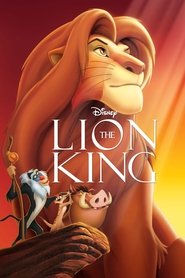
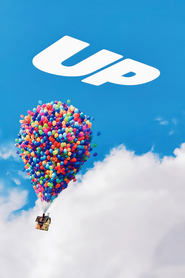

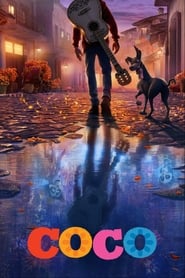
The sad kind: grief, loss, and big feelings
These films are not frightening. They are heavy. They ask a child to sit with loss, and for many children that is harder than any monster, because there is nothing to defeat. The reward is real: handled with an adult in the room, these are among the most valuable films a child can watch, because they hand over images for feelings a child cannot yet name. The intensity is the point, not a flaw.
The startling kind: peril, chases, and jump-scares
These films spike a child's heart rate and then let it back down. The fright is sharp and brief, and it resolves on screen, which is exactly why most children handle it well: there is a clear threat and a clear escape. A child who startles easily may need a hand to hold; a child who likes the thrill will be delighted.
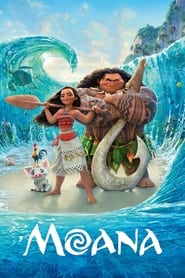
The unsettling kind: dread, strange worlds, and things that do not fully resolve
This is the kind most rating systems miss. These films are not built on a monster you can point to. They are built on atmosphere, strangeness, the feeling that the world has tilted. For some children that is easier than gore, because there is less to see. For others it lingers much longer, because there is no clear threat to put away when the film ends. This is the kind to ask the most questions about before pressing play.
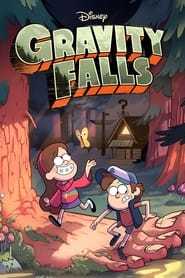
A note on the films that handle the hardest material on purpose
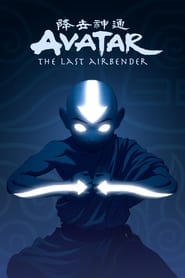
Some of the best titles a child can watch engage real difficulty, war, loss, fear, on purpose and with care, because trusting a child with reality, sensitively delivered, is itself developmentally valuable. Avatar: The Last Airbender is the clearest example: it carries genocide, grief, and moral weight, and it is one of the highest-scoring titles in our entire kids catalog, because it never delivers that weight carelessly. Intensity handled with craft is not a reason to avoid a film. It is often the reason to choose it, together.
See why Avatar: The Last Airbender is safe for kids →Common questions
- How do I know if a movie is too scary for my child?
- Start by asking what kind of intensity it carries: sadness, sudden peril, or lingering dread. A child's history tells you the rest. How do they usually feel after sad stories, after startling moments, after strange or uncanny ones, the next day and at bedtime. That history predicts their experience better than an age rating or a star score.
- What is the scariest kind for young children?
- Usually the lingering kind, the dread and strangeness that does not resolve on screen, because a young child cannot put it away when the film ends. Brief jump-scares and even real sadness are often easier, because they have a clear shape and a clear end. This is why two films with the same age rating can land completely differently.
- Should I let my child watch a sad movie like Up or The Lion King?
- For most children five and up, yes, and the sadness is much of the value, as long as an adult is in the room to help name what happened. These films give children a safe first encounter with loss, inside a story, with a parent beside them. That is very different from shielding a child from every hard feeling.
- What does the TVI Score measure?
- It measures the developmental and craft quality of the title, not how scary it is and not the intelligence of the child. A film can be intense and score highly, because intensity handled with care is a sign of craft. The intensity guidance on this page is separate from the score, and it is the developmental read a star rating cannot give.
Not sure what to put on next?
Get the free TVI Kids Swap Guide: better shows for the kid who already loves what they love, every pick scored and reviewed by a school psychologist.