Shows That Teach FeelingsThe Twenty Highest Social and Emotional Scores in Our Kids Catalog
TV Intelligentsia · Editorial Team Built on the published TVI Kids methodology, with credentialed review
Every kids title we score carries a separate SEL score from 0 to 50, built on the CASEL framework: self-awareness, self-management, social awareness, relationship skills, and responsible decision-making. It runs alongside the main score rather than inside it, because a show can be intellectually demanding and emotionally silent, and a parent deserves to know which one is on. These twenty are the highest in our catalog of 225. They are not interchangeable. Some were engineered with developmental guidance, some model a family well enough that a child learns by watching, and one of them scores 109 overall and is still the show we would reach for when a four-year-old is dreading the first day of something. What they share is that a child comes away with a little more equipment for being a person.
Here is the finding that surprised us. We went looking for the opposite of a show like Numberblocks, which teaches maths brilliantly and models almost nothing socially. We wanted its mirror: a show that is emotionally rich and educationally empty. In 225 children's titles, it does not exist. Every title scoring 44 or higher on SEL also scores at least 34 on Educational Value. The reason is in our own rubric rather than in television. Educational Value is measured across five things, and two of them are emotional intelligence and life skills, so a show that teaches a child about feelings is teaching, by definition, and cannot come out empty. The gap only runs one way. A show can teach a subject brilliantly and stay silent about being a person. The reverse does not happen, because teaching a child about people is teaching.
Built for it
These were designed around emotional learning with developmental guidance in the room, and it shows in the structure rather than the tone. They are the safest bets on this list and the ones to reach for first.
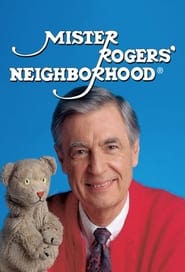
The only perfect SEL score in the catalog. Every script was developed in weekly consultation with the developmental psychologist Margaret McFarland over 33 years, which is what makes the slowness a technique rather than a period detail.
Built explicitly on the Fred Rogers social-emotional curriculum. The strategy songs are not catchy hooks, they are clinically informed coping tools, and the show is structurally willing to take on grief, divorce, and anxiety in a preschool register.
Decades of research-backed design, and the rare show that carries a perfect Educational Value of 50 alongside an SEL of 44. It teaches letters and numbers and how to sit with someone who is sad, without treating either as the side dish.
Created by a speech-language pathologist, and scored against its intended band of 18 months to three years it is exceptional. The pauses and repetition are the developmentally correct design for the youngest viewers rather than low effort.
A family you learn by watching
No curriculum, no lesson. These model relationships closely enough that a child picks up the skill the way they pick up language, which for many children lands harder than being taught.
Imaginative play as the vehicle for genuinely sophisticated emotional intelligence and family dynamics. The parents are as fully drawn as the children, which is rarer than it sounds and is most of why adults keep watching.
The specials concentrate what the series does. Sleepytime and Baby Race are among the finest pieces of children's media made, and they carry an SEL of 48 against the main run's 46.
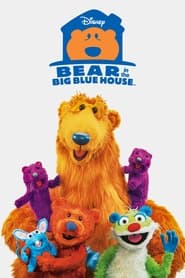
A Jim Henson production built on a conversational format that asks children to answer back, closing with the goodbye ritual with Luna. Strong across social-emotional skills without ever announcing that it is teaching.
Fred Rogers Productions' puppet revival, and the grandfather character came from Mister Rogers' Neighborhood itself. Tender, silly, and emotionally literate in that tradition, with real strength on perseverance and naming feelings.
For naming a hard feeling
When a child is carrying something and does not have words for it, these hand over the words. They are heavier than the rest of the list, and that weight is the point rather than a warning.
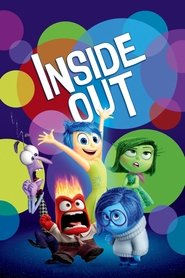
Emotions as distinct agents competing for control, which turns an abstract inner life into something a child can point at. Its most useful idea is that sadness is not a malfunction but a job.
A complete healing arc staged with more clinical accuracy than most adult drama attempts: anointing, rupture, repression, recognition, return. Hakuna Matata is repression set to music. Our first TVI Kids Essential.
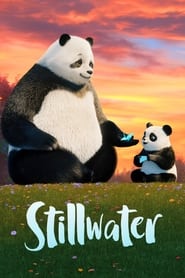
A contemplative panda guiding three children through patience, perspective-taking, and regulation, with a slower and more meditative pace than almost anything else made for this age. Its Educational Value of 34 is the floor of the high-SEL set, and still nowhere near empty, which is the whole point of the finding above.
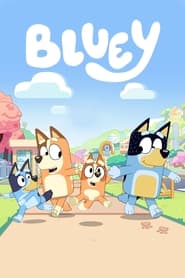
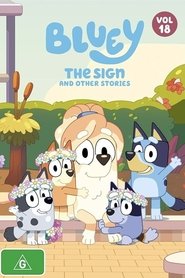
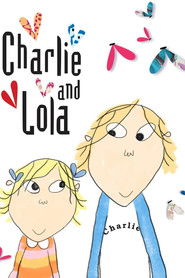
Small, true stories about a preschooler working out everyday feelings, with an older brother who handles stubbornness and fear without lecturing. It models sibling patience as clearly as any show for this age.
For a child who is not the default
Representation does measurable work here rather than decorative work. Each of these was built with the community it depicts, and the emotional learning and the recognition arrive together.
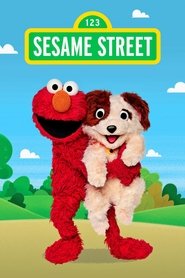
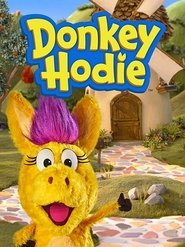
PBS Kids' first series with an autistic lead, developed with Sesame Workshop guidance, with autistic and neurotypical friends in the same cast. Sensory-aware pacing and rare authentic representation.
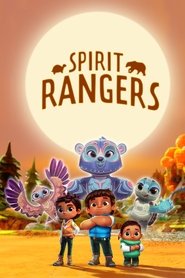
Chumash, Cowlitz and Southern Ute siblings protecting their national park, made by an all-Native writers' room under Karissa Valencia. Strong on ecology, community, and intergenerational tradition.
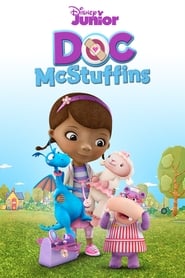
A young Black girl treating her stuffed animals with diagnostic seriousness. The identity-representation work has documented effects on real children's career imagination, and the medical-concept teaching is real alongside it.
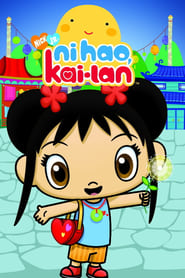
Explicitly teaches emotional identification and regulation strategies while carrying Mandarin vocabulary. The interactive format asks the child to participate rather than watch.
When they are older
Emotional learning does not stop at five. These carry the same work into the years when a child starts needing it for harder things, and they are the strongest titles on this list by overall score.
An SEL of 49, the second highest in the catalog, inside epic fantasy that takes on colonialism, genocide, and moral philosophy. Our second TVI Kids Essential, and the rare show where the character arcs are the argument.
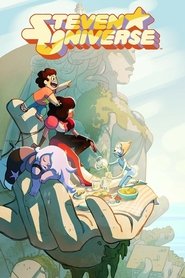
Five seasons of deep work on grief, trauma, identity, consent, and healing, wrapped in mythology that rewards patient viewers. Among the most emotionally sophisticated long-form animation made.
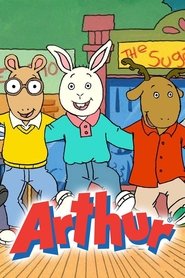
Twenty-five seasons of taking childhood social dynamics seriously, structurally willing to address autism, a grandparent's cancer, and a teacher's same-sex wedding at the register a child actually meets them.
The exception worth knowing
One title on this list scores in the lower half of our kids catalog and earns its place anyway. It is the clearest case we have that a composite score is a summary, not a verdict.
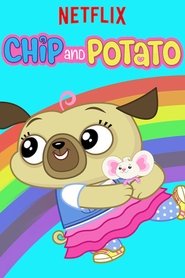
It scores 109 overall with an Educational Value of 26, and it carries an SEL of 42, the highest of any children's title we have scored below 130. The stated subject is a pug starting school. The real subject is separation and walking into a room of strangers, handled with unusual sensitivity. If that is the week you are having, the overall score is the wrong number to read.
Common questions
What is the SEL score?
A 0 to 50 rating of how much a title builds social and emotional skill, based on the CASEL framework's five competencies: self-awareness, self-management, social awareness, relationship skills, and responsible decision-making. It is reported alongside the main TVI Kids Score rather than folded into it, so a show that is cognitively demanding and emotionally quiet cannot hide behind a high composite.
Which show has the highest SEL score?
Mister Rogers' Neighborhood, at 50 out of 50, the only perfect SEL score in our kids catalog. Every script was developed in weekly consultation with the developmental psychologist Margaret McFarland across 33 years, which is why the gentleness reads as a technical achievement rather than a temperament.
Can a show teach feelings and still be worth skipping?
Rarely, and that is the more interesting finding. Every kids title we score at 44 or higher on SEL also clears 34 on Educational Value. There is no emotionally rich, educationally empty show in the catalog, because our Educational Value measure already counts emotional intelligence and life skills among its five parts.
My child's favourite show scores low on SEL. Is that a problem?
Not on its own. Plenty of excellent shows are specialists that teach one subject superbly and model very little socially, and that focus is usually why the teaching is good. The thing worth checking is whether the whole rotation is specialists, because that is a week of subjects with nobody modelling how to be a person. One title from this list alongside the specialist is the entire fix.
Is a low overall score a reason to skip a show?
Not always, and Chip and Potato is the clearest case. It scores 109, which puts it in the lower half of our kids catalog, and it carries an SEL of 42. It is the highest SEL score of any children's title we have scored below 130. If your child is anxious about starting something new, that trade is worth making with your eyes open.
Free guide
Not sure what to put on next?
Get the free TVI Kids Swap Guide: better shows for the kid who already loves what they love, every pick scored and reviewed by a school psychologist.