Dune: Part Three in IMAX 70mm vs Standard: Which Format to Book
How Denis Villeneuve shot the final Dune film, what each screen shows, and how to find a real IMAX 70mm seat before December 18.

Dune: Part Three is the first Dune film shot partly on IMAX film cameras, with 71 minutes made for IMAX's taller frame. IMAX 70mm and select IMAX with Laser screens show those sequences in full at 1.43:1, digital IMAX at 1.90:1, and standard screens show less height. It opens December 18, 2026, with IMAX showtimes from December 17.
The short version: Dune: Part Three is the first film in the series shot partly on IMAX film cameras, and 71 minutes of it were made for IMAX's taller frame. IMAX 70mm and select IMAX with Laser screens show those sequences in full at 1.43:1; ordinary digital IMAX shows them at 1.90:1; a standard screen shows less height again. The story is in every version. We have not seen the film yet, so this page sticks to what Warner Bros., IMAX and Villeneuve have said, and it will be updated after release.
When it opens
Dune: Part Three opens in the United States on Friday, December 18, 2026, the same day as Avengers: Doomsday. Regular IMAX and IMAX 70mm showtimes begin Thursday, December 17. Before that, IMAX is holding "Dune Insider" screenings for people who signed up on its site: December 14 in IMAX 70mm, December 15 in other IMAX auditoriums, and December 17 in other premium formats.
Trade reports from The Hollywood Reporter and Variety describe a three-week exclusive run on IMAX screens over the holidays. Some other outlets describe the exclusive as covering opening weekend only, and neither IMAX nor Warner Bros. has published end dates, so treat the length of the window as reported rather than settled.

How it was shot
IMAX's announcement calls Dune: Part Three "the first in the franchise to be shot using a combination of IMAX-certified digital cameras and IMAX Film Cameras." Part One and Part Two used IMAX-certified digital cameras; this is the first time Villeneuve has put IMAX film through the camera.
It is not an all-IMAX film. When IMAX's chief executive said in 2025 that Villeneuve was "filming the whole thing" in IMAX, an IMAX spokesperson told TheWrap he had misspoken and that the IMAX cameras were used for specific scenes. The cinematographer is Linus Sandgren, who took over from Greig Fraser.
Villeneuve described the mix at the March trailer event, as transcribed by the Motion Picture Association's The Credits: "A big part of it was shot in IMAX film, which was the first time for me." He kept one landscape on digital on purpose: "I kept the desert in digital because I like the brutality of the digital IMAX."
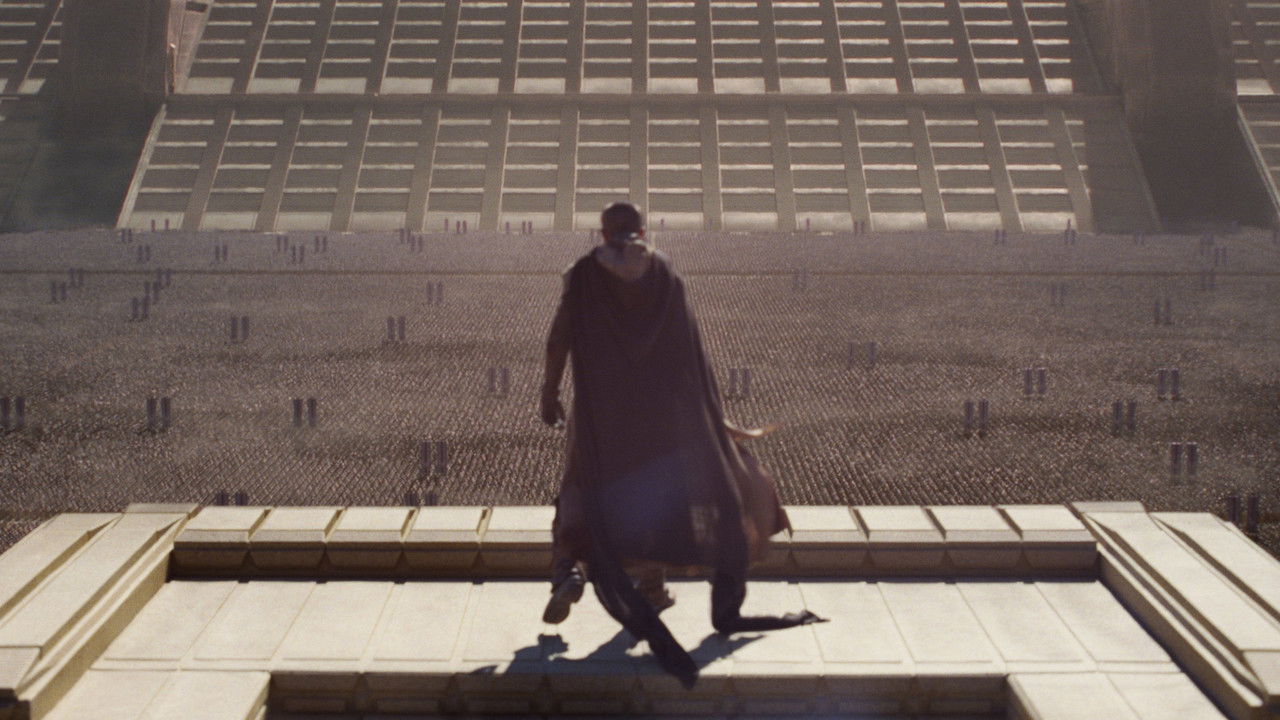
What each screen shows
IMAX 70mm film. Projected from 15-perforation film. The IMAX sequences, 71 minutes by IMAX's count, open up to the full 1.43:1 frame. This is the presentation IMAX is selling hardest, and the one with the fewest screens.
IMAX with Laser, select locations. Digital, but some laser auditoriums also show the IMAX sequences at 1.43:1. Not every laser screen does, so check the listing before you buy.
Digital IMAX. The common multiplex IMAX. The IMAX sequences play at 1.90:1, taller than a standard screen but cropped at the top and bottom compared with 1.43:1.
Dolby Cinema and other premium screens. Strong contrast and sound. Warner Bros. has not said how the IMAX sequences are framed outside IMAX, and the film's standard aspect ratio has not been announced.
Standard screens. The whole film, at the standard ratio. A good seat at a standard screen beats a bad seat at a premium one.
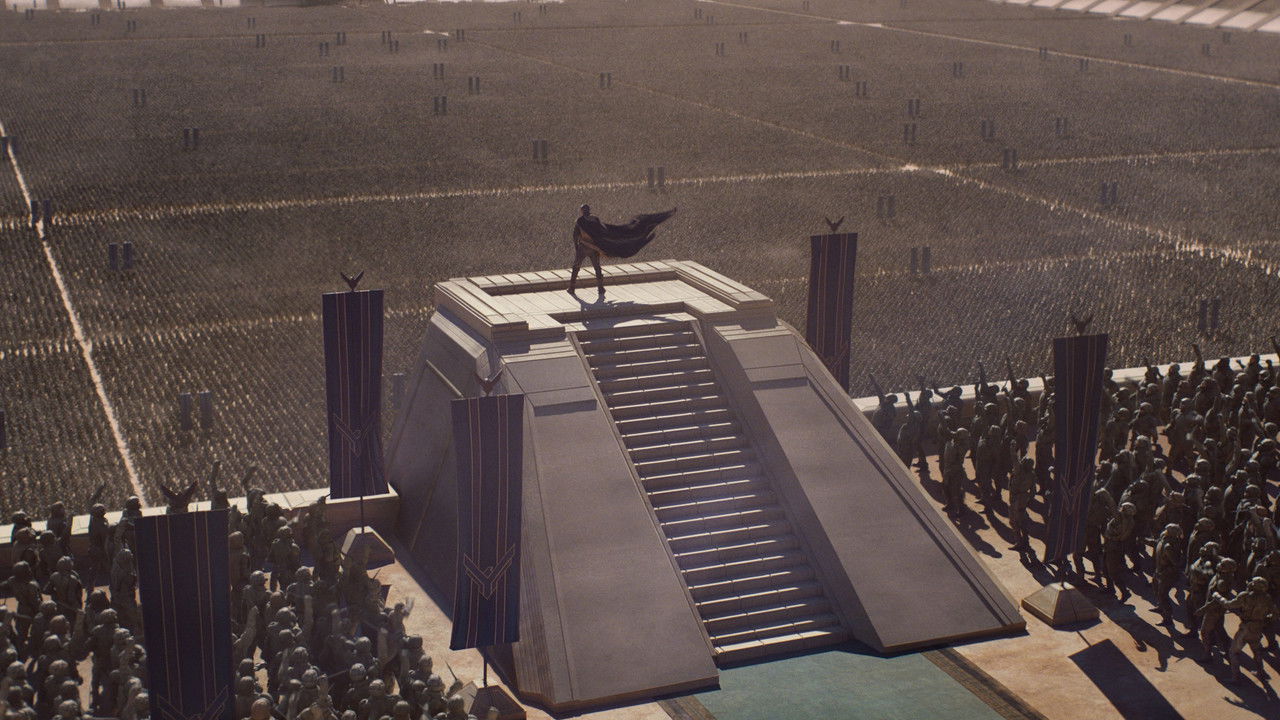
A good seat at a standard screen beats a bad seat at a premium one.
How to find a real IMAX 70mm screen
Most screens labeled IMAX are digital. The 70mm prints play in a small number of theaters: Time Out's list from August counts 25 in the United States, including the TCL Chinese Theatre and Universal CityWalk in Los Angeles, AMC Lincoln Square in New York, AMC Metreon in San Francisco, Regal Opry Mills in Nashville and the IMAX theater at the Tennessee Aquarium in Chattanooga. Worldwide counts in the press range from about 18 in the first wave to about 40, and IMAX has not published a single official figure.
Look for the words IMAX 70mm in the format name on the ticket page, not just IMAX. The first batch of 70mm opening-weekend tickets went on sale in April and sold out within hours, so for the 70mm screens the useful question is often which later showing still has a centered seat.
Is IMAX worth it for this one?
On the evidence so far, the case for IMAX is stronger here than for either earlier Dune film, because the IMAX sequences were made on IMAX film and composed for the taller frame. The case for 70mm specifically is the full 1.43:1 image during those sequences. If the only IMAX seats left are at the front corners, a centered seat at a standard or Dolby screen is the better ticket. The story, the performances and the score survive every format.
What we will add after release
We have not seen Dune: Part Three. After it opens, this page will be updated with what we saw, and the film will be scored on TVI's published methodology. Until then there is no TVI Score, and we will not guess at one.
The credibility layer for what to watch
One scored, argued editorial a month, plus the next TVI Essential. No paid placements. No spam.
Common questions
Is Dune: Part Three filmed in IMAX?
Partly. IMAX says it is the first film in the series shot using a combination of IMAX-certified digital cameras and IMAX film cameras, with 71 minutes in IMAX's expanded aspect ratio. An IMAX spokesperson has said the IMAX cameras were used for specific scenes, not the whole film.
Where can I see Dune: Part Three in IMAX 70mm?
In a small number of theaters. Time Out's August list counts 25 in the United States, including the TCL Chinese Theatre and Universal CityWalk in Los Angeles, AMC Lincoln Square in New York, AMC Metreon in San Francisco and Regal Opry Mills in Nashville. Look for IMAX 70mm in the format name when you book.
When does Dune: Part Three come out?
It opens in US theaters on Friday, December 18, 2026. IMAX and IMAX 70mm showtimes begin Thursday, December 17, and IMAX's Dune Insider screenings start December 14.
Does Dune: Part Three have a TVI score?
Not yet. TVI does not publish a score before a rater has watched the film. This guide will be updated after release.
Film: Dune: Part Three (2026), directed by Denis Villeneuve, from Frank Herbert's Dune Messiah. Warner Bros. Pictures and Legendary. Opens December 18, 2026.