Frances Ha Does Not Fit: The Psychology of Becoming a Person
Alex Gigler on Noah Baumbach and Greta Gerwig's portrait of a woman whose friends keep becoming real, and what it costs to let them.
Contains spoilers, including the ending.
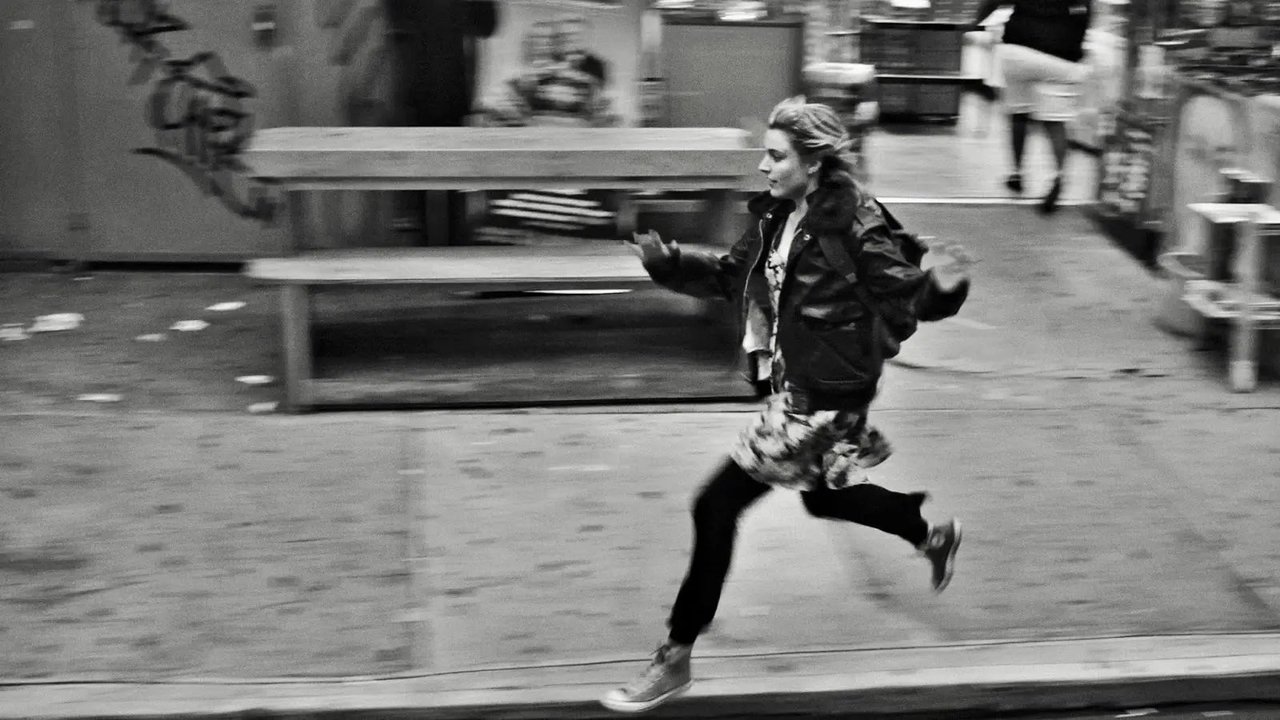
Alex Gigler reads Frances Ha as a portrait of what happens when the people a person depends on insist on becoming real. Sophie is not an extension of Frances; she has her own wants, and her leaving confronts Frances with separateness rather than simple loss. The film recruits the audience into Frances's defenses, lets us cringe and root for her at once, and ends on a mailbox label that cuts her name short without making her disappear.
A gorgeous and sympathetic portrait of the suffering that follows when other people insist upon becoming real. Frances and Sophie are not the same person. Sophie is not merely a narcissistic appendage, there to stabilize Frances's experience of herself. She has desires Frances cannot control, relationships Frances does not share, and a life that increasingly does not include her. Reality proves similarly unwilling to cooperate. Frances is not a particularly talented dancer. Twenty-seven is not quite as young as Frances play-pretends. The messiness of identity, relationships, and self-direction that is implicit to one's early twenties becomes an increasingly singular experience for her as those around her become "dateable", an incisive shorthand for their entry into an adult world of careers, partners, commitments, and choices that Frances cannot quite join. One by one, the illusions through which she has sustained a precarious sense of herself cease to hold. Everyone else seems to be becoming a person while Frances remains a possibility.
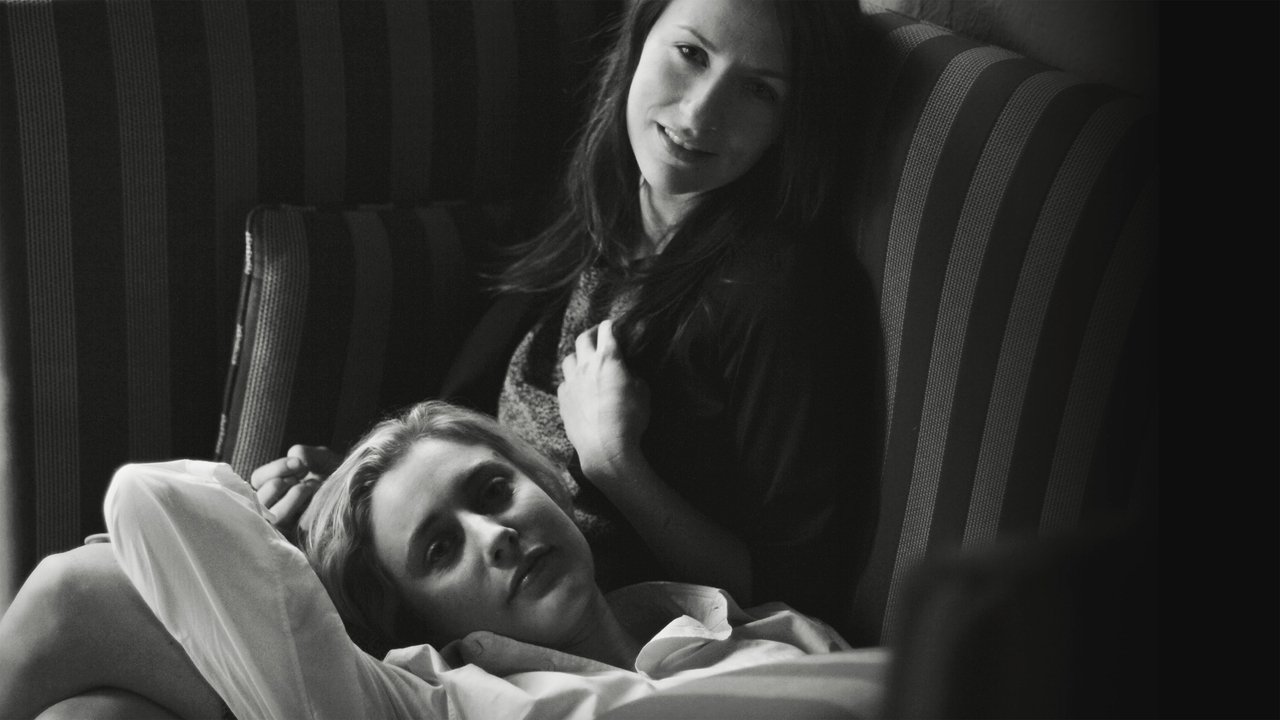
Like the chair, she is not "totally normal, really," as much as she might insist. But Frances Ha does something more generous than expose the distance between Frances's fantasies and reality by recruiting us, the audience, into them. Our experience begins to parallel that of the characters caught in her orbit. We are implicated in her self-destruction, without warning or consent. At first, we are charmed by the buoyancy with which she moves through the world, which makes her defenses pleasurable to inhabit. For a time. Gradually, we begin to understand what it might actually be like to live alongside them. In her presence, we enter a hall of funhouse mirrors in which intimacy becomes possession, spontaneity becomes impulsivity, vulnerability becomes manipulation, and reality is bent just enough to protect Frances from whatever she cannot yet bear to know about herself.

We want to help, but, like those around her, we are rendered helpless on the other side of a screen of Frances's construction. For them the screen is psychic. For us, quite literally, it is not. Direct contact is impossible when the intimacy and vulnerability required for it are themselves experienced as threats. What Frances offers in their place are crude facsimiles: forms of disclosure and closeness that look like intimacy but function, unconsciously, as instruments of psychic survival. She can expose herself without quite allowing herself to be known. She can love another person without quite allowing that person to be other. Sophie can be adored so long as she remains the Sophie Frances needs her to be.
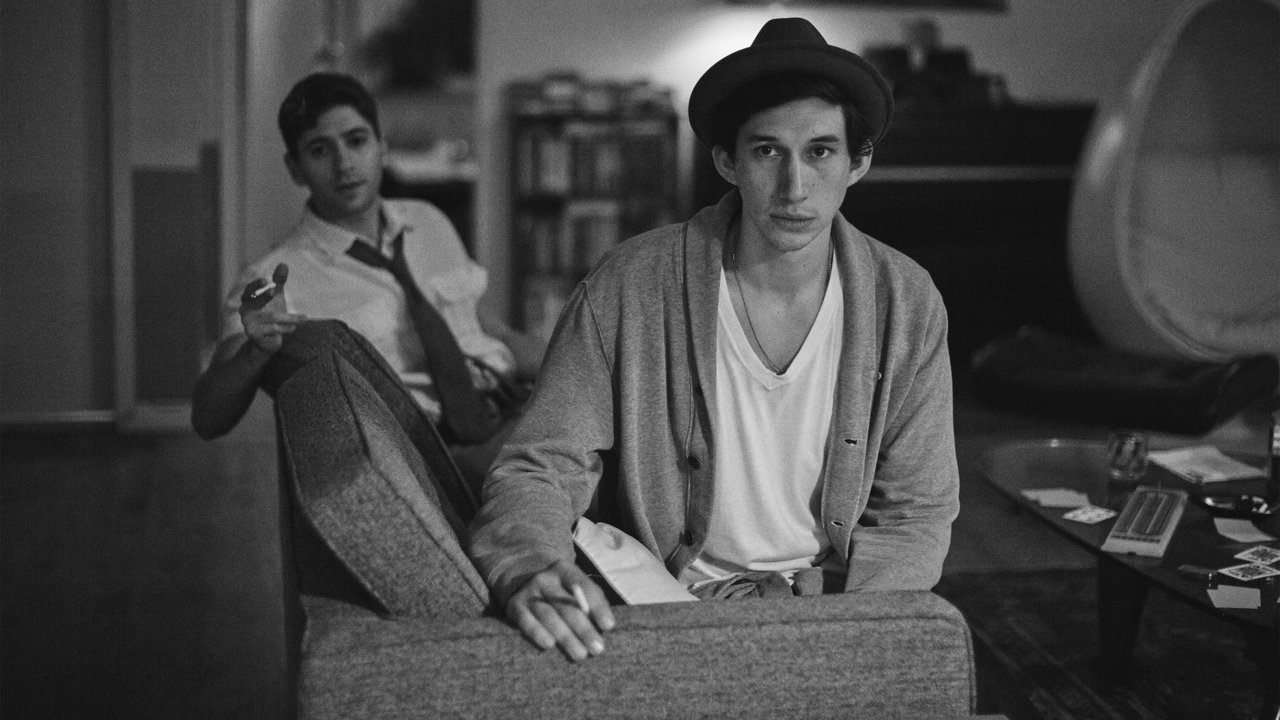
Perhaps this is why Sophie's differentiation feels so catastrophic to Frances. To us, the catastrophe plays out more slowly, almost mundanely, a train wreck whose trajectory becomes apparent long before its conclusion. The loss is not simply of a best friend, nor even of the imagined future Frances had built around their friendship. Sophie commits the more fundamental betrayal of becoming real. She becomes someone who can choose another person, move somewhere else, want things Frances does not want, and continue existing beyond Frances's experience of her. The fantasy of "Frances and Sophie" cannot survive the discovery that there is a Sophie outside of it. Frances is confronted not simply with loss, but with separateness: the discovery that the person she needs can continue existing beyond the reach of her wishes. Other people insist upon becoming real, and Frances is left to discover that she cannot follow them there.
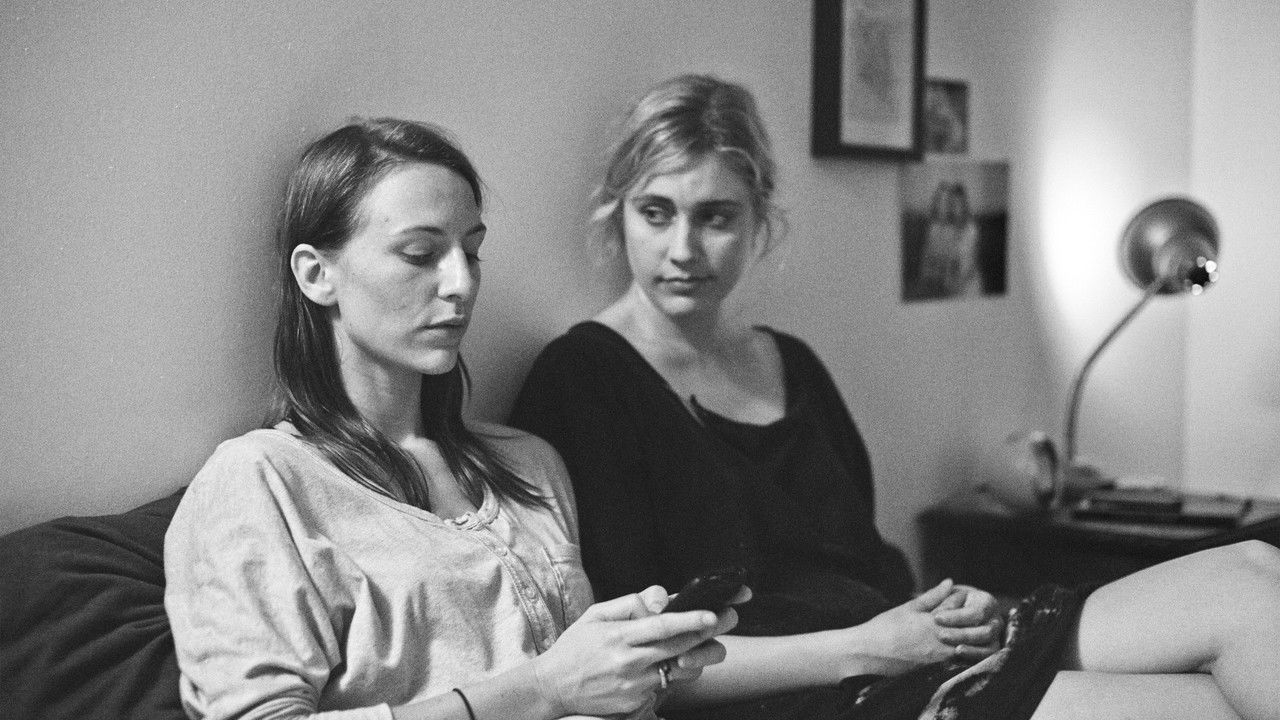
Sophie commits the more fundamental betrayal of becoming real.
On the other side of the screen, we stand by watching the mundane train wreck from a safe distance, much like those in her life. We may silently judge her, aghast, behind her back. We cringe at the lies, the impulsive decisions, the spending of money she does not have, the insistence that everything is fine. Yet all the while, we're pulling for her. The film makes us love Frances in something like the way Sophie does. We see what she is doing, but seeing it does surprisingly little to make us stop loving her. Perhaps this is part of the film's generosity. It allows us to experience her defenses not simply as pathology, but as the desperate solutions of a person trying to remain psychologically intact. We are thrilled to be at her choreography showcase, witnessing a small win. We want her to pull through. To land on her feet. To be doing better. To be okay.
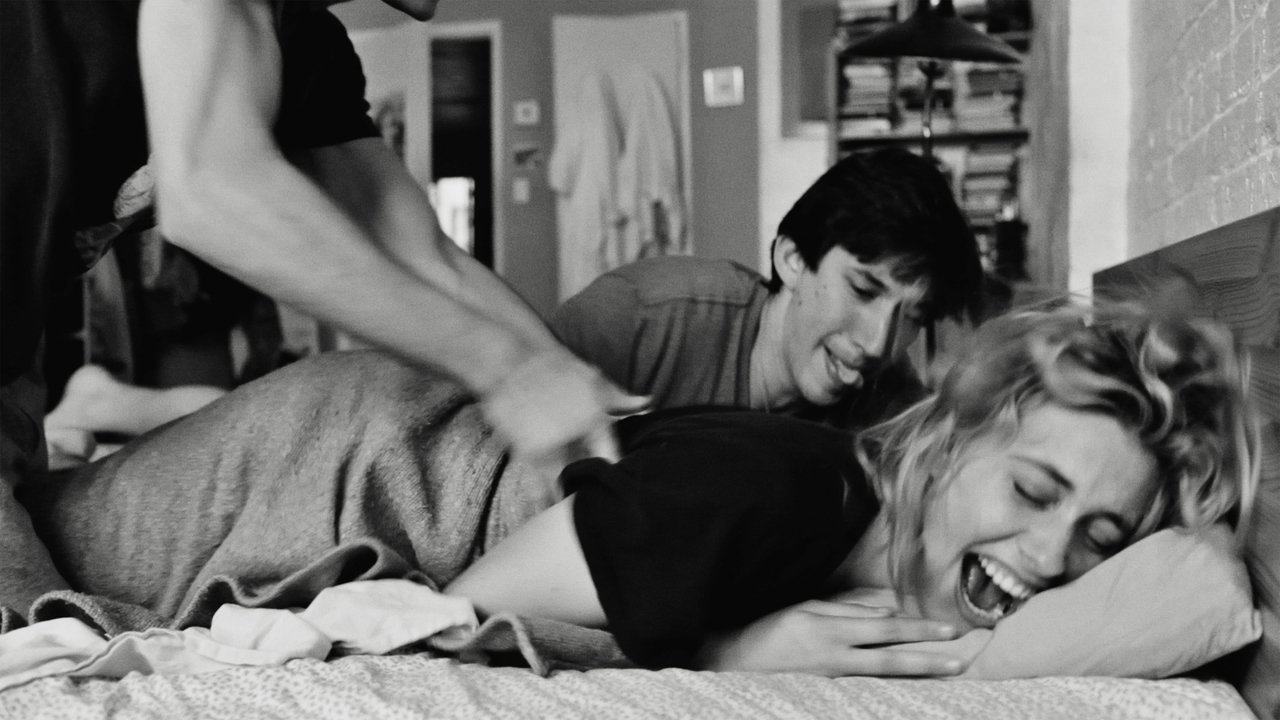
"I'm not a real person yet," Frances proclaims in a rare moment of self-insight. For much of the film, she seems to imagine wholeness as something waiting for her just beyond the next correction, the right career, the right apartment, the restoration of Sophie, the resumption of a life that has somehow failed to begin on schedule. Each promises not merely happiness but repair, the fantasy that some external arrangement might finally make her feel internally complete. But perhaps the tragedy is not that Frances will never become a whole person. Perhaps it is that she has mistaken wholeness for something a person can finally achieve.
The final joke is written on the mailbox. Frances Halladay does not fit. She quite literally has to fold away a piece of herself to fit into the little box of normativity she has spent the film desperately trying to enter. And yet, there is another possibility in that gesture. Frances has not ceased to be Frances Halladay simply because the label reads "Frances Ha." For once, the representation of herself does not have to contain all of her. The name can be partial without the person disappearing.

There is something almost painfully modest about the life she has acquired by the end. She has not become the dancer she imagined herself to be. Sophie has not returned to being an extension of her. Her life has not suddenly assumed the grand shape that might retroactively justify all of its false starts. Instead, Frances makes something. She choreographs. She finds a place to live. She watches Sophie from across the room and, perhaps for a moment, allows the person she loves to exist at a distance from her. What once threatened to feel like abandonment begins, however tentatively, to resemble separateness.

What once threatened to feel like abandonment begins, however tentatively, to resemble separateness.
If she cannot yet be the Frances Halladay she imagined, she can be Frances Ha. Not someone else, exactly. Something less complete and perhaps more real. The smile at the end is still a sad one, but maybe sadness is no longer evidence that everything has gone wrong. Maybe becoming a person has less to do with finally making oneself whole than with surviving the discovery that one never will be.
The credibility layer for what to watch
One scored, argued editorial a month, plus the next TVI Essential. No paid placements. No spam.
Common questions
What is Frances Ha about?
Noah Baumbach's black-and-white film, co-written with Greta Gerwig, who plays the lead, follows Frances Halladay, a 27-year-old apprentice dancer in New York whose best friend Sophie moves out, and who then drifts through apartments, jobs, and a short trip to Paris while everyone around her seems to be becoming an adult. It premiered in 2012 and was released in 2013.
Why is the film called Frances Ha?
In the final shot, Frances writes her full name, Frances Halladay, on a label for the mailbox of her new apartment. It does not fit the slot, so she folds it, and the label reads Frances Ha. The essay reads the gesture both as a cut and as a name that can be partial without the person disappearing.
What does the ending of Frances Ha mean?
In Alex Gigler's reading, the ending is modest on purpose. Frances has not become the dancer she imagined and Sophie has not come back to being an extension of her, but she choreographs, finds a place to live, and lets the person she loves exist at a distance. The folded mailbox label makes the point: the name can be partial without the person disappearing.
Is this essay a review with a score?
No. Frances Ha has a title record in the TVI catalog with its score, dimensions, and where to watch. This essay is an interpretation of the film and does not set or change that score.
Who is Alex Gigler?
Alex Gigler writes The Inner Life, TV Intelligentsia's psychology and film column, and holds a doctorate in clinical psychology (PsyD). His essays read films through psychoanalytic and developmental ideas. They are interpretations of the work, not clinical assessments of any person, and they do not set or change a title's TVI score.
Film: Frances Ha (2012), directed by Noah Baumbach, written by Noah Baumbach and Greta Gerwig. IFC Films. Essay by Alex Gigler for The Inner Life, TV Intelligentsia's psychology and film column.