Once Upon a Time in Hollywood: Mourning, Melancholia, and the Refusal of Loss
Alex Gigler reads Tarantino's counter-history as a refusal to mourn: a film that loves the past too much to let it become memory, and makes the audience want it back too.
Contains spoilers, including the ending.
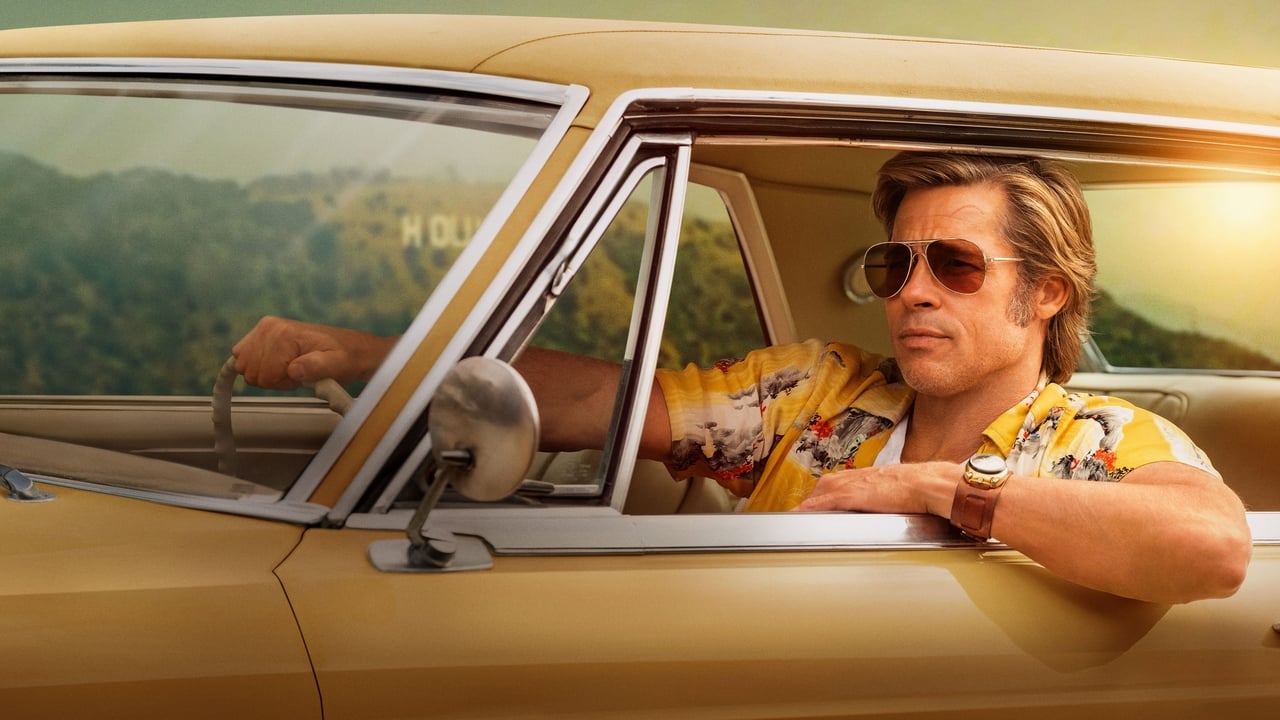
Alex Gigler reads Quentin Tarantino's Once Upon a Time in Hollywood through the psychoanalytic distinction between mourning and melancholia. Mourning lets a lost thing become memory; the film refuses, and instead resurrects the Hollywood Tarantino loves by burning the future that replaced it. Rick Dalton, Cliff Booth and George Spahn each stage a different way of facing what comes next, and Trudi is the future they are facing. The ending's counterfactual is the fantasy made literal.
There are losses that can be mourned, and losses that can only be undone. Once Upon a Time in Hollywood is Quentin Tarantino's extraordinary refusal to tell the difference. He looks back upon the Hollywood that taught him how to love movies and finds something intolerable. It is gone. The studios, stars, genres, masculine ideals, and moral grammar of the movies that formed him have become relics, relegated to the dustbin of history, and displaced by a future he regards with something between suspicion and disgust. Tarantino wants his Hollywood back.
Psychoanalysis distinguishes mourning from melancholia, the more complicated refusal of loss. To mourn something is eventually to accept that it is gone, to relinquish the demand that the world return what it has taken from us, and permit life to reorganize itself around the absence. Tarantino will have none of it. Why memorialize the lost object if you can resurrect it? And what better way to restore the beloved past than to destroy the thing that came to represent its destruction? The fantasy has the primitive satisfaction of dreaming that one might kill the man who killed their father. Tarantino gets to actualize the dream, and history itself becomes his reparative fantasy.
This is why the film's revision of the Manson murders feels less like historical counterfactual than wish fulfillment. Sharon Tate does not die. The future crashes through the wrong door and encounters the past waiting for it. Cliff Booth beats it to a pulp and Rick Dalton burns it alive. The instrument of death is almost too much: the flamethrower is itself a movie prop, dragged out of Rick's cinematic past and made real. Hollywood saves Hollywood with the discarded machinery of its own fantasies. The thing that once merely represented violence becomes capable of changing history.
The status quo has been restored. Or rather, history has been prevented from disturbing it. Sharon lives. Rick is invited into the world whose disappearance he has spent the film fearing. For one impossible moment, nothing has been lost. The fairy-tale title finally reveals itself not merely as an homage to a kind of movie, but as the psychological structure of the movie itself: once upon a time, things might have happened differently. The past might never have had to become the past.
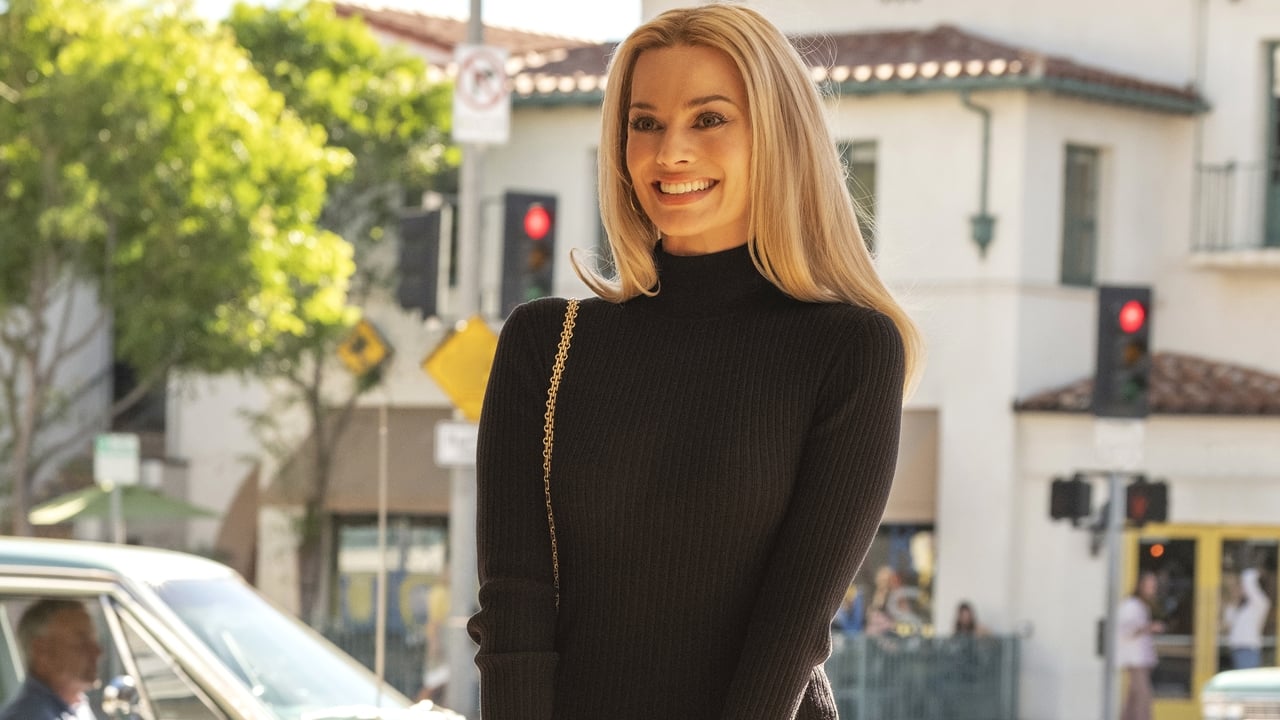
This struggle between past and future is repeated everywhere throughout the film, most tenderly in Rick's encounter with Trudi. She is the future, young, disciplined, serious about her craft, and possessed of an artistic vocabulary that already threatens to leave Rick behind. Rick initially meets her from within his own wounded narcissism. He can tolerate what she represents (albeit uneasily) only because her competence makes visible his decline. But then she watches him work, and Rick gives what she calls the best acting she has ever seen. Suddenly the future turns toward the past and recognizes its value. He weeps.
It is a beautiful moment, and a revealing one. Rick can embrace the future when the future first reassures him that he deserves to survive it. Trudi recognizes what came before her. She admires it. She allows the aging man to experience himself, however briefly, as something other than obsolete.
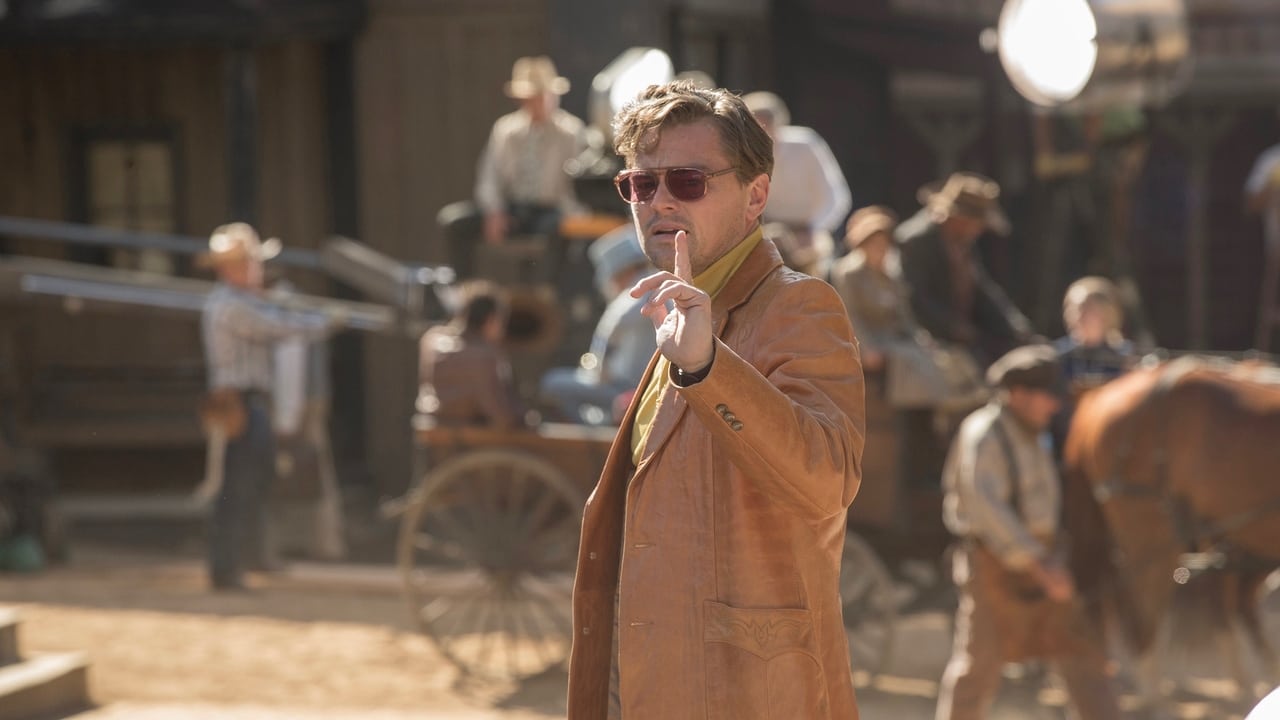
Even the scene in Lancer they perform together stages the fantasy in miniature. Rick draws Trudi toward him, summons something in himself that he feared had disappeared, and produces perhaps the finest performance of his faltering career. Once she has served the scene, he throws her aside. The gesture belongs to the fiction they are performing, but the image is almost too perfect: the future can be brought close, even loved, provided it can still be made to participate in the past's drama.
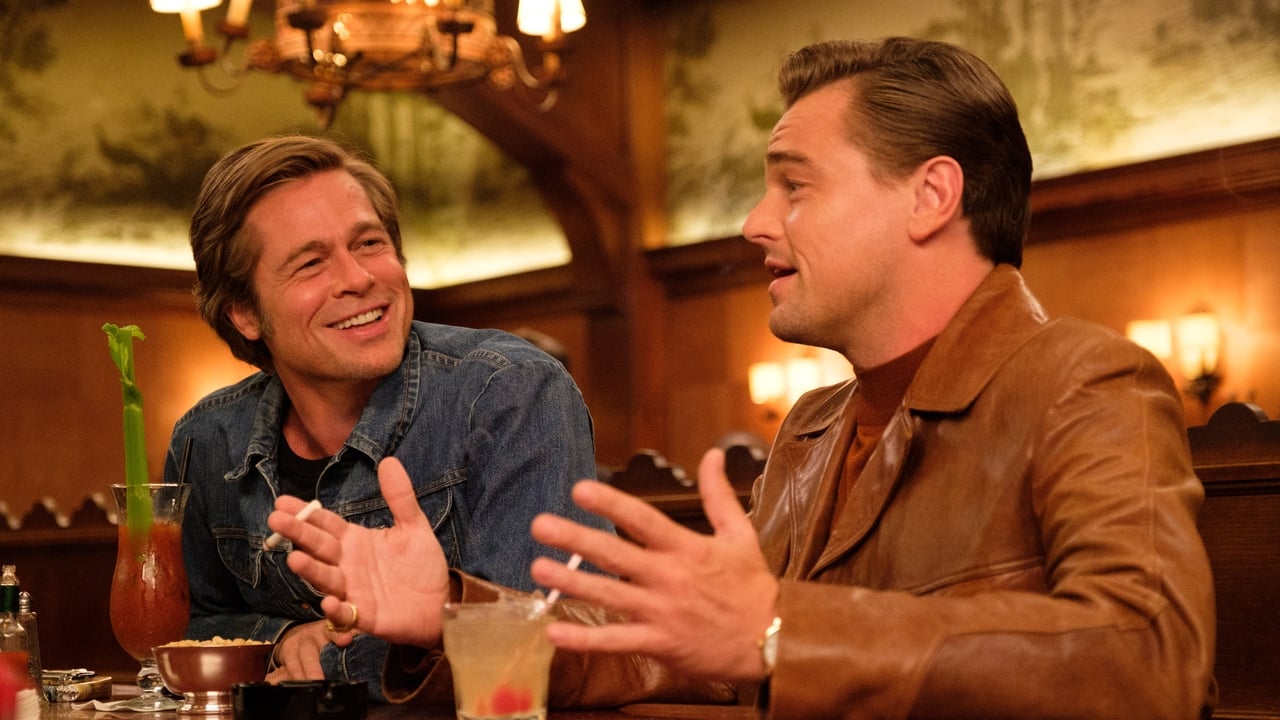
Cliff has no such crisis because Cliff has almost no relationship to the future at all. He is less a psychologically plausible man than an idealized masculine object. Handsome, physically invulnerable, sexually self-contained, loyal to his dog, indifferent to social judgment, and possessed of the enviable capacity to need almost nothing from anyone. Rick suffers because he requires recognition. Cliff is happy because he doesn't give a damn what anyone thinks.
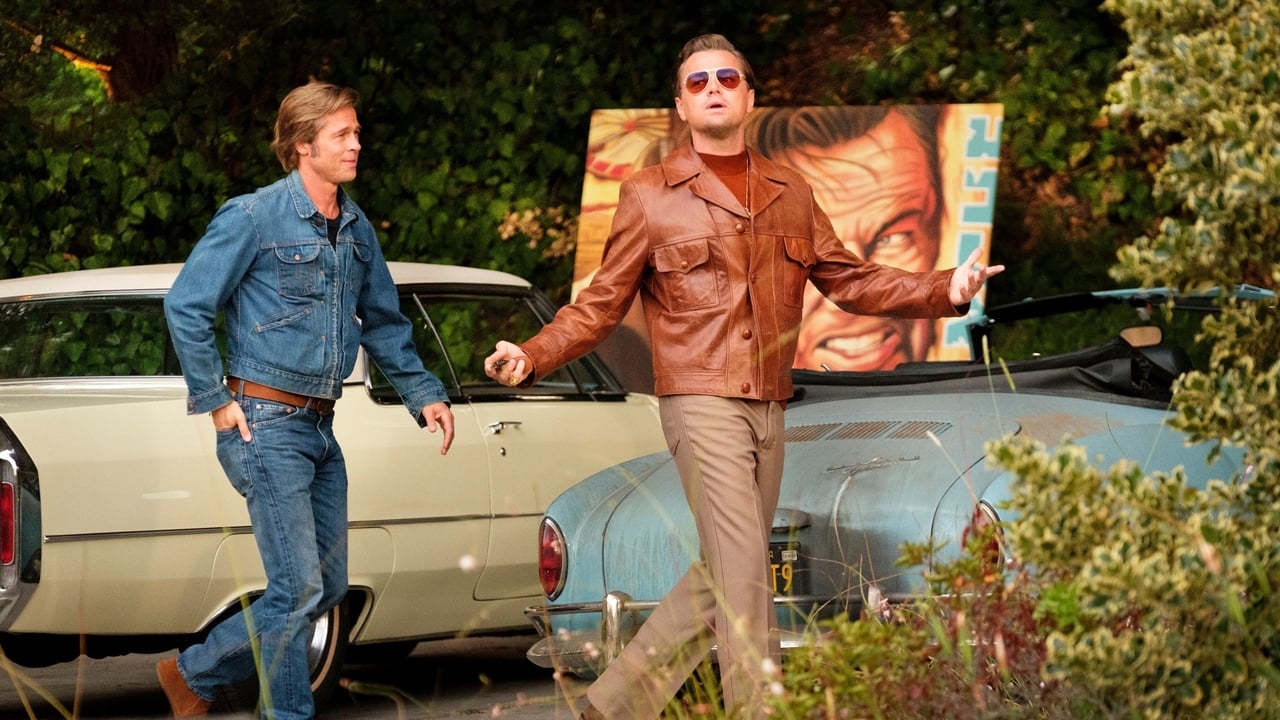
Rick experiences the passing of time as narcissistic injury. Cliff appears almost outside of time. In this sense, Cliff may be Tarantino's most complete fantasy. He embodies a masculinity imagined as preceding the humiliations of dependency, ambiguity, and change. He lives alone in a trailer behind a drive-in theater with his dog and seems entirely content. There is nowhere he particularly needs to arrive. He does not become, he just is.
It is fitting, then, that Cliff drives to Spahn Ranch, a decaying physical remnant of the past, the world the film loves. More disturbing than simple destruction, Cliff discovers that the future has moved in, into the past. George Spahn is old, blind, and surrounded by young people who ostensibly care for him while consuming what remains of his world. They live on his land, use his resources, and preserve enough of the fantasy of mutual benefit that he permits the arrangement to continue. The image is parasitic. The new inhabits the old before the old has recognized that it is being replaced.
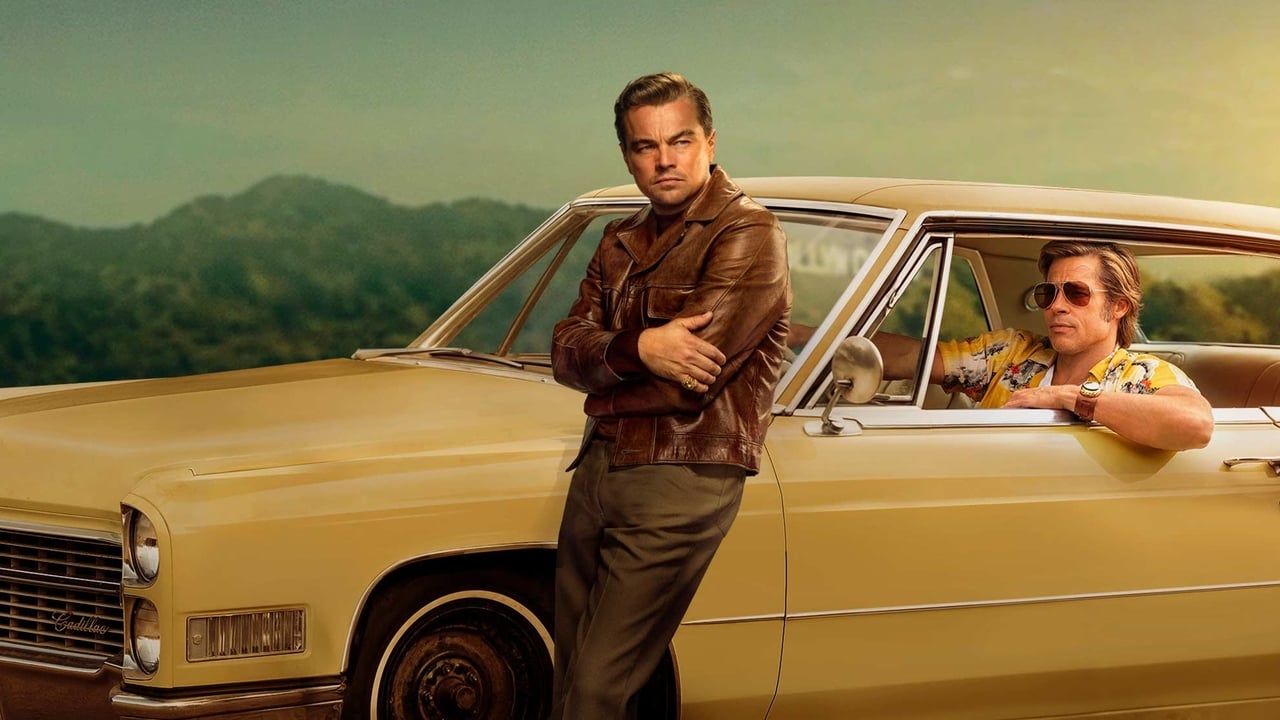
George therefore presents one possible fate for a past incapable of negotiating its relationship to the future. He lets the future inside because some part of the arrangement still gratifies him. He cannot (or will not) recognize the terms of the exchange. But Cliff can. He enters the ranch suspicious of what has happened to the old man and discovers the beloved past being used by people who have no reverence for it.
So he beats the hell out of it.
The violence is funny because the film makes it funny, but psychologically it is also remarkably primitive. What cannot be integrated can be expelled. What threatens the loved object can be attacked. The new world need not be understood if it can simply be prevented from entering. Where George accommodates the future until it consumes him, Cliff preserves himself through absolute refusal.
What cannot be integrated can be expelled. What threatens the loved object can be attacked.
Even Tex performs his symbolic assignment before the final act. On horseback, he appears capable, charismatic, almost archetypically American, guiding unsuspecting tourists along a trail. The future knows the way. People follow it. They cannot yet see where it leads.
And the film is not particularly interested in allowing it to lead anywhere.
Again and again, the past saves the present from the future. Even Rick's professional rescue arrives through an older generation, in the form of Marvin Schwarz, who sends him backward into the genres and iconography from which his identity was constructed. Cliff returns to the ranch. Rick returns to the flamethrower. Tarantino returns to the movies. Whenever the present becomes unbearable, salvation is found in something that already happened.
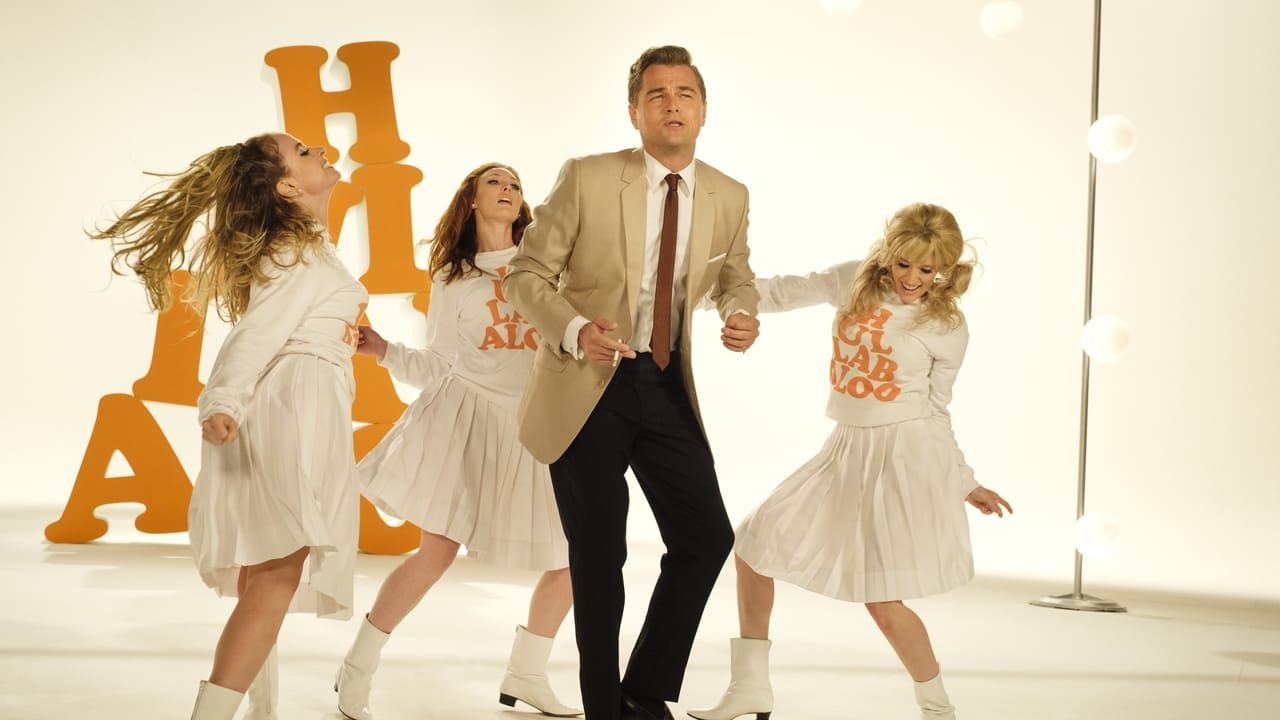
This is what makes the film's nostalgia feel different from simple affection. Nostalgia ordinarily knows, somewhere within itself, that return is impossible. Tarantino possesses the unique privilege of the filmmaker in that he can make the return happen. Cinema gives him what reality refuses. The dead can live. The aging actor can still give the performance of his life. The obsolete weapon can work again. The old masculine hero can defeat the young invaders. The night of August 8, 1969 can end differently.
Nostalgia ordinarily knows, somewhere within itself, that return is impossible.
And Tarantino makes us want it to.
That may be the film's most mischievous achievement. Its reactionary fantasy is delivered with such pleasure, humor, and moral certainty that an audience otherwise committed to progress finds itself cheering as the representatives of the coming age are beaten, mauled, and burned alive. The future has been made sufficiently monstrous that its annihilation feels like justice. We know, of course, that the Manson Family hardly deserves to stand for everything that followed them. But fantasy has never been obligated to observe such distinctions. It condenses. It displaces. It finds an object capable of carrying an intolerable feeling and destroys the object instead.
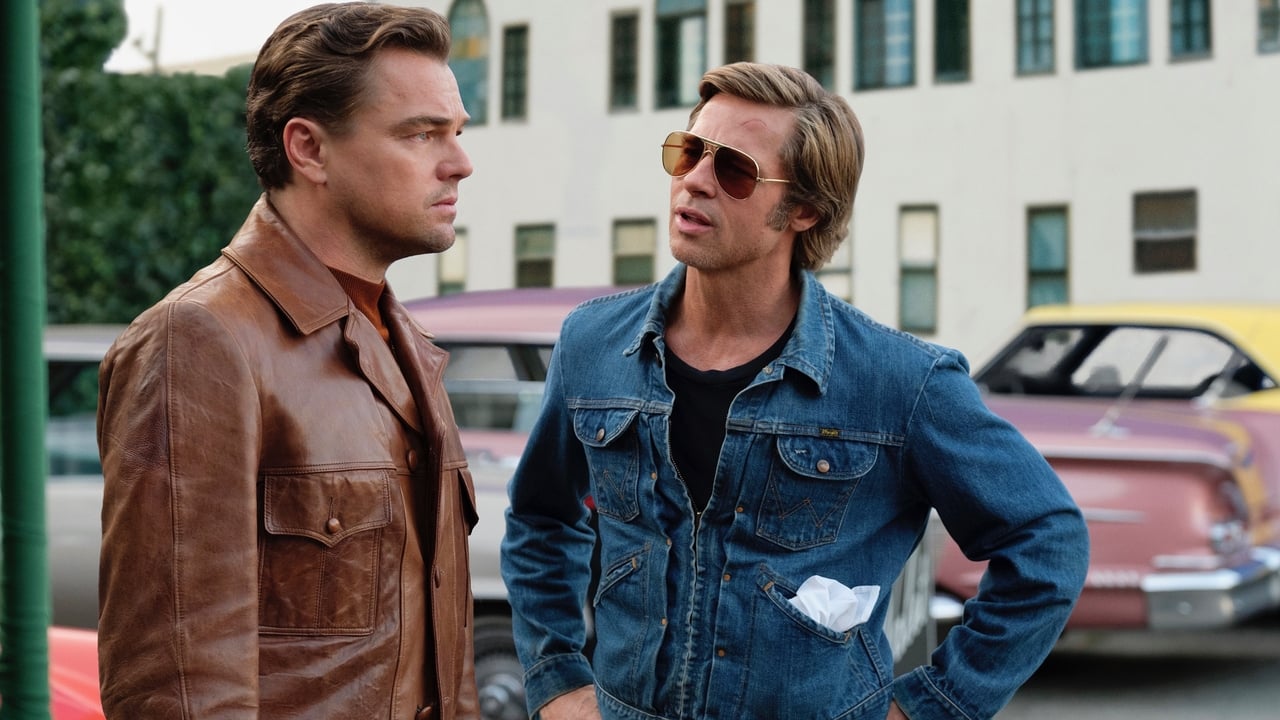
Perhaps this is why Once Upon a Time in Hollywood feels simultaneously so loving and so violent. Tarantino loves the past too much to mourn it. Mourning would require permitting the loved object to become memory, accepting that what follows need not resemble what came before. Instead, he performs the more satisfying magic of cinema, he finds the moment when history went wrong and burns it alive.
For a few minutes, it works. Sharon Tate is still alive. Rick Dalton may yet become a movie star. Cliff Booth remains indestructible. The gates open, and the old Hollywood remains, welcoming Rick inside.
Then the movie ends. It has to. The fantasy can preserve the past only for as long as the projector keeps running.
The credibility layer for what to watch
One scored, argued editorial a month, plus the next TVI Essential. No paid placements. No spam.
Common questions
What is Once Upon a Time in Hollywood about?
Quentin Tarantino's 2019 film follows Rick Dalton, a television western star whose career is fading in 1969 Los Angeles, and his stunt double and friend Cliff Booth, over a few days in February and one night in August. Rick's new neighbors are Sharon Tate and Roman Polanski, and the Manson family circles the edges of the story until its final act.
Does the film change what happened to Sharon Tate?
Yes. The real Sharon Tate was murdered on the night of August 8 to 9, 1969. In the film, the killers go to Rick Dalton's house instead, where Cliff and Rick stop them, and Sharon survives. The essay reads that counterfactual as the film's psychological structure rather than a historical footnote.
What does the ending of Once Upon a Time in Hollywood mean?
In Alex Gigler's reading, the ending is the film's refusal to mourn. The killers go to the wrong house, Cliff and Rick stop them, Sharon Tate lives, and the gates open to welcome Rick inside. Cinema gives Tarantino the return that history refuses, and the essay's last line names the limit: the fantasy can preserve the past only for as long as the projector keeps running.
Is this essay a review with a score?
No. Once Upon a Time in Hollywood has a title record in the TVI catalog with its score, dimensions, and where to watch. This essay is an interpretation of the film and does not set or change that score.
Who is Alex Gigler?
Alex Gigler writes The Inner Life, TV Intelligentsia's psychology and film column, and holds a doctorate in clinical psychology (PsyD). His essays read films through psychoanalytic and developmental ideas. They are interpretations of the work, not clinical assessments of any person, and they do not set or change a title's TVI score.
Film: Once Upon a Time in Hollywood (2019), written and directed by Quentin Tarantino. Columbia Pictures. Essay by Alex Gigler for The Inner Life, TV Intelligentsia's psychology and film column.