After watching: this article discusses the plot.
Before and after Primetime
Choose a resource for where you are in the viewing. Content details are labeled.
Before watching1 resource
- Score & viewing detailsPrimetime: score and viewing details
The catalog record, score status and viewing options.
Content details may appear in the rationale
After watching4 resources
- ReviewFilm reviewPrimetime: Have a Seat
The critical argument, for reading after you have watched.
Plot details; may discuss the ending - Rewatch focusFilm reviewBright Colors. Fading Light.
Return to this published craft or story-structure section on a second watch.
Plot details; may discuss the ending - EssayThe Inner LifeIdentification with the Aggressor
Another reading of the work, with plot details.
Plot details; may discuss the ending - Before watchingDecision guideIs Primetime Based on a True Story?
Background and context for the viewing decision.
Discusses plot outcomes and a death by suicide
Is Primetime Based on a True Story?
The 2006 Texas sting behind Lance Oppenheim's film, and what the film changes.
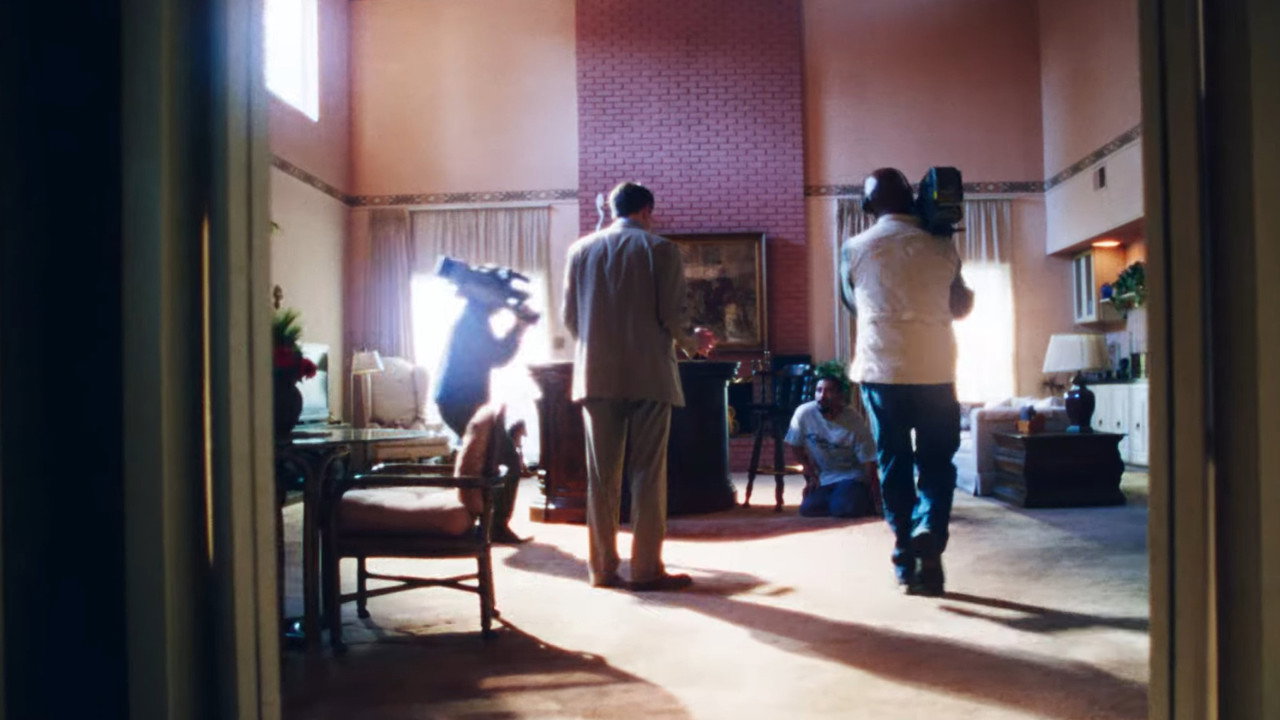
Yes, loosely. Primetime is based on the To Catch a Predator sting Dateline NBC filmed in Murphy, Texas, in November 2006, and on the death of Bill Conradt, a Texas prosecutor, as police entered his home. The screenplay, by Ajon Singh, is loosely based on Luke Dittrich's 2007 Esquire article. Much around those events is reshaped or invented.
The short version: yes, loosely. Primetime is based on real events: the To Catch a Predator sting that Dateline NBC filmed in Murphy, Texas, in November 2006, and the death of Bill Conradt, a Texas prosecutor, as police entered his home. The screenplay, by Ajon Singh, is loosely based on Luke Dittrich's 2007 Esquire article about the case. Around those events, much is reshaped or invented, and Oppenheim has said the film "is not intending to be representational of reality in any way."
The real case
In early November 2006, Dateline set up a sting at a house in Murphy, Texas. Volunteers from the group Perverted-Justice posed online as children, and about two dozen men came to the house over four days. The episodes aired in February 2007.
Bill Conradt, a former Kaufman County district attorney who was then a Rockwall County prosecutor, never came to the house. On the afternoon of Sunday, November 5, 2006, police entered his home in Terrell to serve warrants, and he took his own life. Accounts differ on Dateline's role in the decision to go to his home; Hansen and the police later denied that the show drove it.
None of the men caught in Murphy were prosecuted. In June 2007 the Collin County district attorney declined the cases, citing weak evidence and the role of non-professionals in gathering it. Conradt's family sued NBC for $105 million, and the suit was settled in June 2008. To Catch a Predator ended in 2007 and 2008.

What the film changes
The film moves the police entry at Conradt's home from a Sunday afternoon to night.
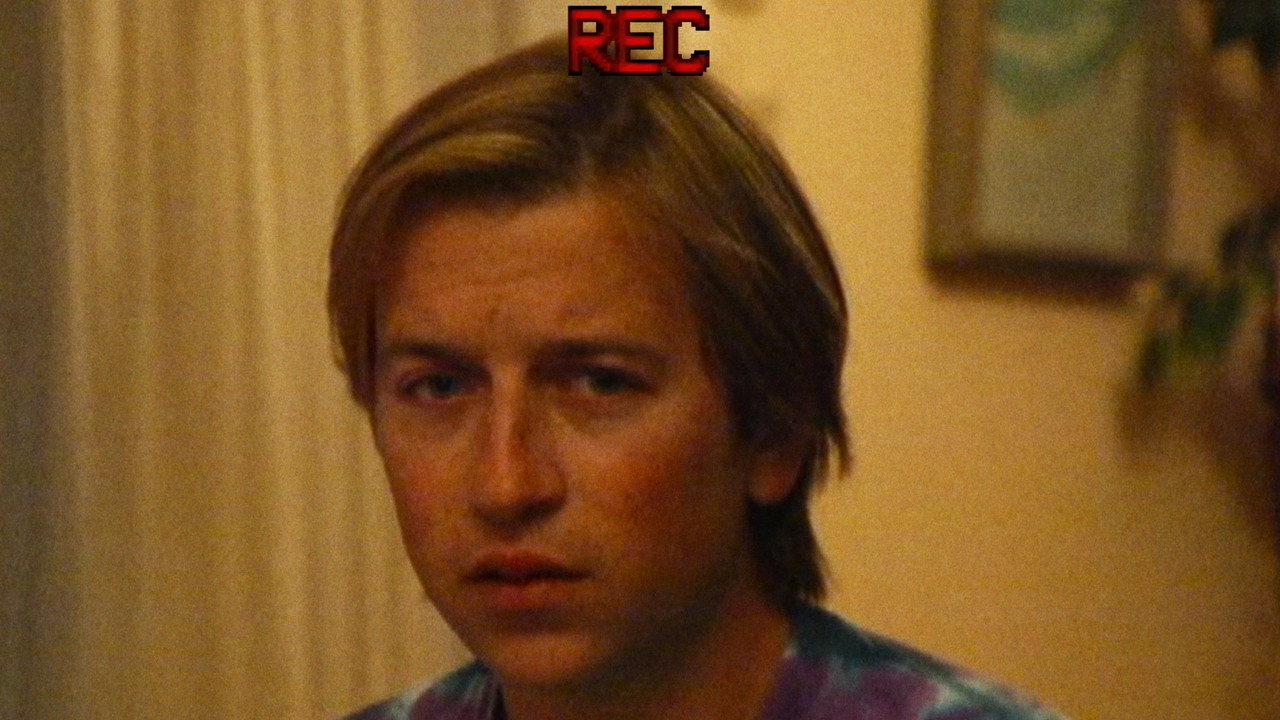
Dan Plum, the young decoy played by Skyler Gisondo, is drawn mostly from one real decoy, Dan Schrack. In the real stings, Perverted-Justice volunteers did the online chatting. The producer Andie Bender, played by Merritt Wever, is a composite, and the Murphy police chief, Cortland Gunn, is an invented name for a real official.
Hansen's India story is half real. He did report on child slavery in India's silk industry for Dateline, and the report won a News and Documentary Emmy in 2003 and the Overseas Press Club's Eric and Amy Burger Award for 2002. The film dates the trip to 1996 and invents the monster story he tells about it.
The National Enquirer story about Hansen's affair was published in 2011, after the show had ended. The film has the Enquirer calling while the stings are still running.
Xavier Von Erck did found Perverted-Justice, but the Anchorage Daily News reports that he "wasn't on a single sting." The film puts him at the center of them.
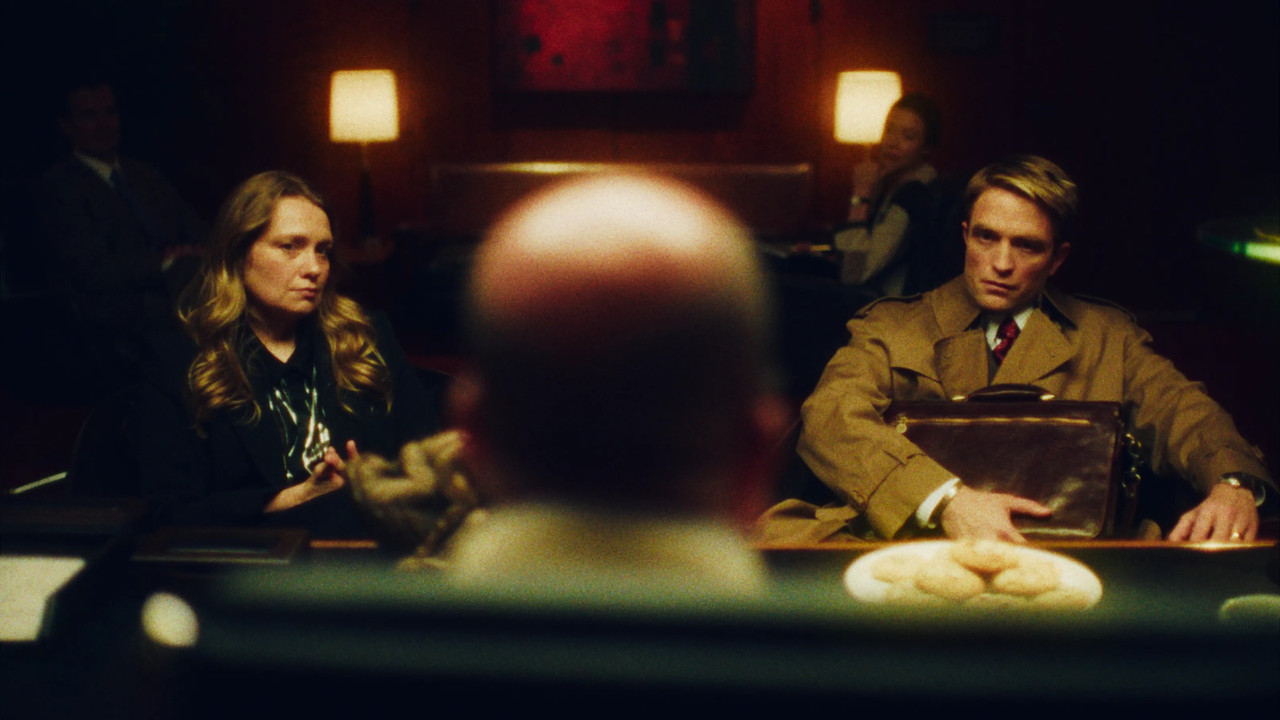
“Not intending to be representational of reality in any way.” Lance Oppenheim
What Chris Hansen says
Hansen was not consulted on the film, according to reporting by The Washington Post, and A24 told the Columbia Journalism Review that the film did not require his consultation or permission. He has called it "dark, dishonest" and said that lawyers are looking at it and that legal action is something he has "not ruled out." We found no lawsuit filed as of November 25, 2026.
Is Primetime based on a book?
No. The screenplay is Ajon Singh's, loosely based on Luke Dittrich's 2007 Esquire article about the Murphy sting and Bill Conradt's death. Hansen published a book in 2007, To Catch a Predator: Protecting Your Kids from Online Enemies Already in Your Home, but the film is not credited as an adaptation of it.
The Intelligentsia Report
Film and television criticism, watch guides, and updates from TV Intelligentsia. Free. Unsubscribe anytime.
Common questions
Is Primetime based on a true story?
Yes, loosely. It is based on the To Catch a Predator sting in Murphy, Texas, in November 2006 and on the death of prosecutor Bill Conradt. The film moves events, renames or combines people, and invents the India monster story.
What is Primetime based on?
Ajon Singh's screenplay is loosely based on Luke Dittrich's 2007 Esquire article about the Murphy sting and Bill Conradt's death. It is not credited as an adaptation of Chris Hansen's 2007 book.
Did Chris Hansen help make Primetime?
No. He was not consulted, according to reporting by The Washington Post. He has called the film dark and dishonest and said legal action is something he has not ruled out.
Did Chris Hansen win an Emmy for his India reporting?
Yes. His Dateline report on child slavery in India's silk industry won a News and Documentary Emmy in 2003. The film dates the trip to 1996 and invents the monster story.
Film: Primetime (2026), directed by Lance Oppenheim, written by Ajon Singh. A24. Sources: Wikipedia; Columbia Journalism Review; The Washington Post via the Anchorage Daily News; Variety Australia; Looper; TVWeek and the Overseas Press Club for the India awards.