After watching: this article discusses the plot.
Before and after Resident Evil
Choose a resource for where you are in the viewing. Content details are labeled.
Before watching2 resources
- Score & viewing detailsResident Evil: score and viewing details
The catalog record, score status and viewing options.
Content details may appear in the rationale - Parent guideParent guideIs Resident Evil (2026) OK for Kids?
Suitability and content details for a parent making the decision.
Specific content details for parents
After watching2 resources
- ReviewFilm reviewResident Evil Turns a Bad Shift Into a Great Time
The critical argument, for reading after you have watched.
Plot details; may discuss the ending - EssayThe Inner LifeWhat Happens When We Stop Thinking
Another reading of the work, with plot details.
Plot details; may discuss the ending
Resident Evil Turns a Bad Shift Into a Great Time
Zach Cregger turns a courier’s night shift into a nightmare where the scares and the laughs come from the same dark corner.

Resident Evil scores 106/200 on TV Intelligentsia's published methodology, Competent, on a verified receipt. Jordan Robinson's review of Zach Cregger's film: a straightforward story and limited educational content alongside strong craft. In his words: "On fun alone, Resident Evil delivers."
The dark isn’t frightening because it’s dark. It’s frightening because you can’t see what’s in it, and your imagination is always willing to fill in the rest. Zach Cregger builds Resident Evil on that instinct, with darkness and with a camera that often keeps you locked inside Bryan’s limited view. The first taste comes just after Bryan takes the courier job: a lone car climbing a mountain road walled in by trees, its headlights the only light for miles, the darkness swallowing the road the moment it passes. From there, Cregger lets your imagination do much of the damage.
Bryan, played by Austin Abrams, has a delivery to make. He also has a pregnant girlfriend and a conversation he has handled poorly. Taking another job puts him on the road to Raccoon City, where the working conditions are about to deteriorate considerably.
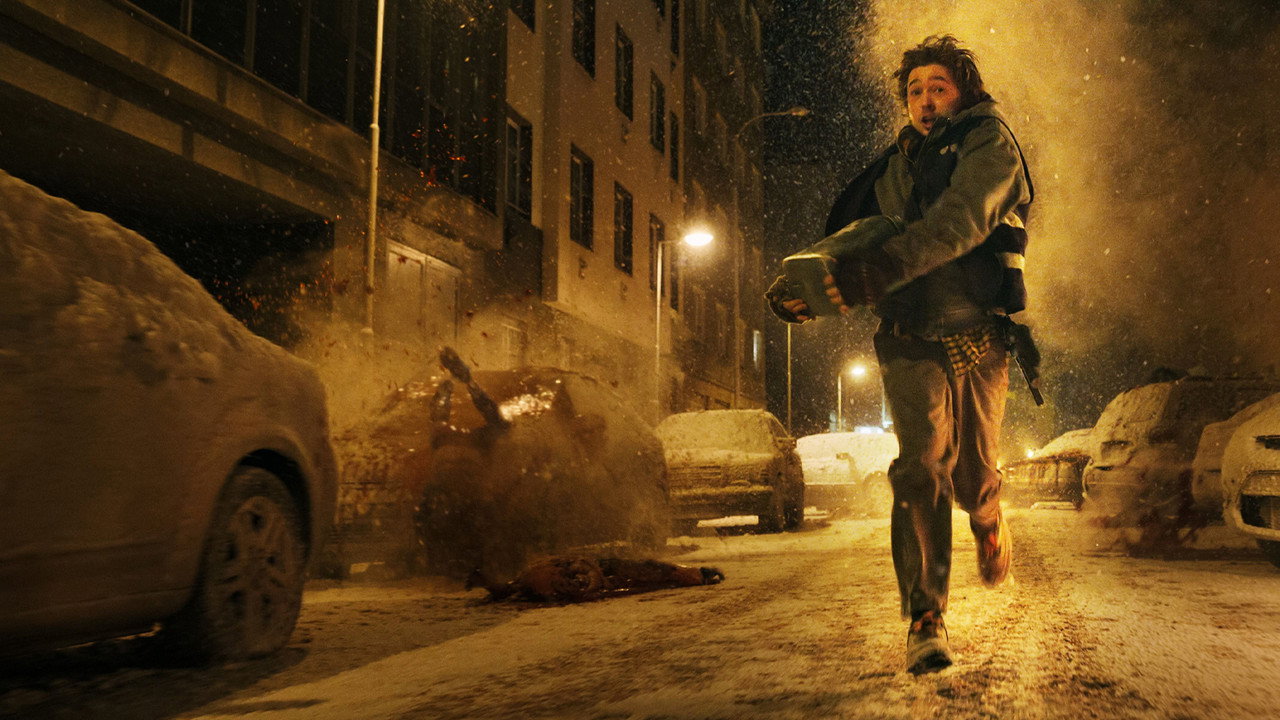
The plot is easy to follow. The real pleasure is in whatever sits just ahead of Bryan: finding a way through, figuring out a weapon, deciding whether someone in the dark needs help or needs avoiding. Cregger keeps giving those small decisions room to become frightening.
In passages framed through Bryan’s eyes, a gun and a flashlight offer just enough reassurance to make the surrounding darkness worse.
The camera is especially good at making you search. In passages framed through Bryan’s eyes, a gun and a flashlight offer just enough reassurance to make the surrounding darkness worse. Quiet draws attention to small sounds. A movement changes what you think is safe. The nervous business of discovering a place while trying to stay alive inside it gives the movie its strongest connection to the games. There are also an unreasonable number of padlocks.
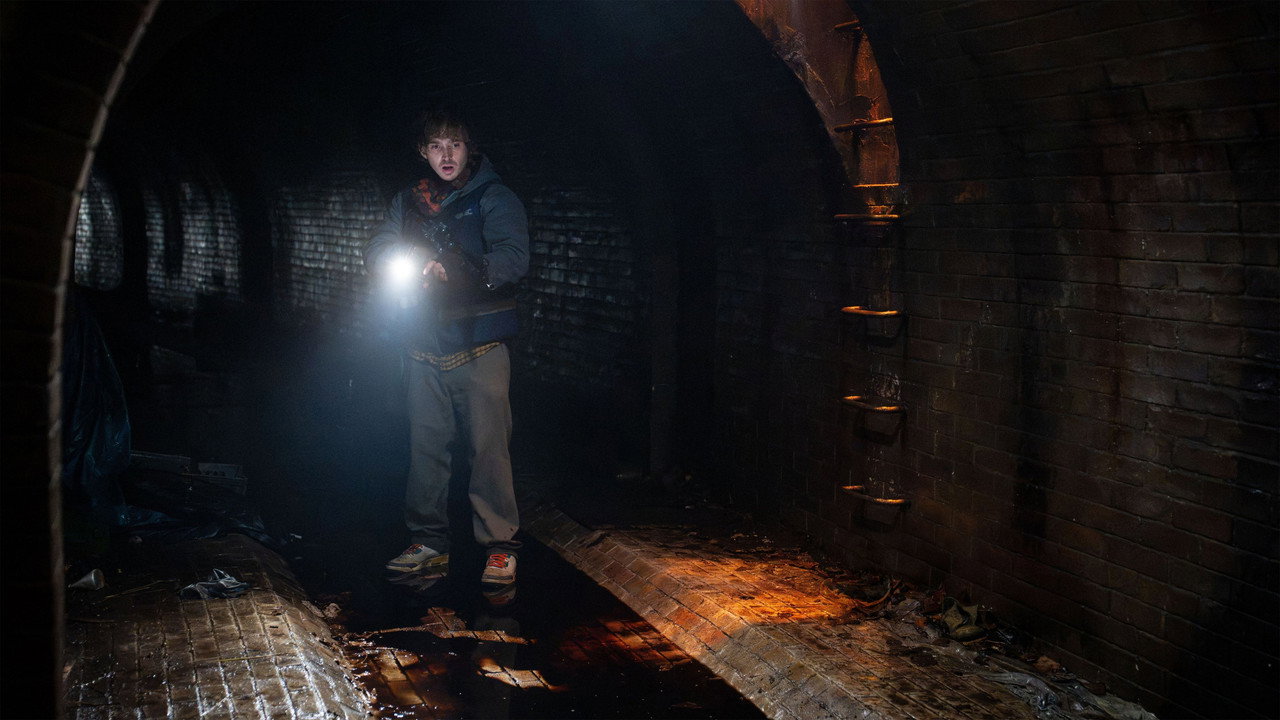
Abrams makes an excellent companion for this terrible assignment. He looks scared, gets frustrated, and has understandable objections to almost everything happening around him. Hand Bryan a gun and you’ve handed him one more thing he doesn’t know how to use. The fumbling is funny because the danger remains close. His panic feeds the jokes, and the jokes make him more human, so you care all the more about whether he makes it out.
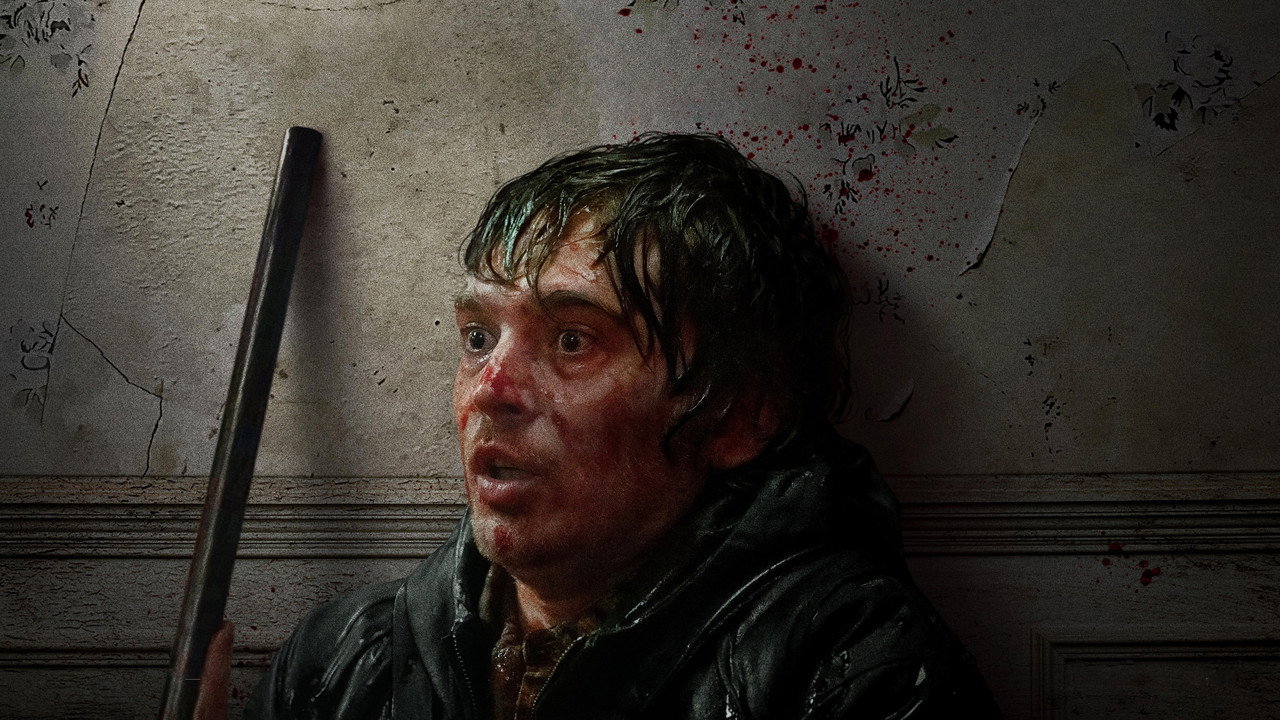
The fumbling is funny because the danger remains close.
His job brings its own running humiliations. People need the package urgently. Their appreciation for the person carrying it is less consistent. There is something wonderfully absurd about delivery instructions surviving circumstances in which nearly every other rule has collapsed.
The unfinished conversation with his girlfriend gives him a life beyond the route. His regret is clear and familiar: he let fear of change do the talking. That thread gives his wish to get home some weight. The film has room for sadness amid all the frantic improvisation.
The hospital sequence keeps the inventions coming. Even the possibility of rescue gives Cregger something else to make agonizing.
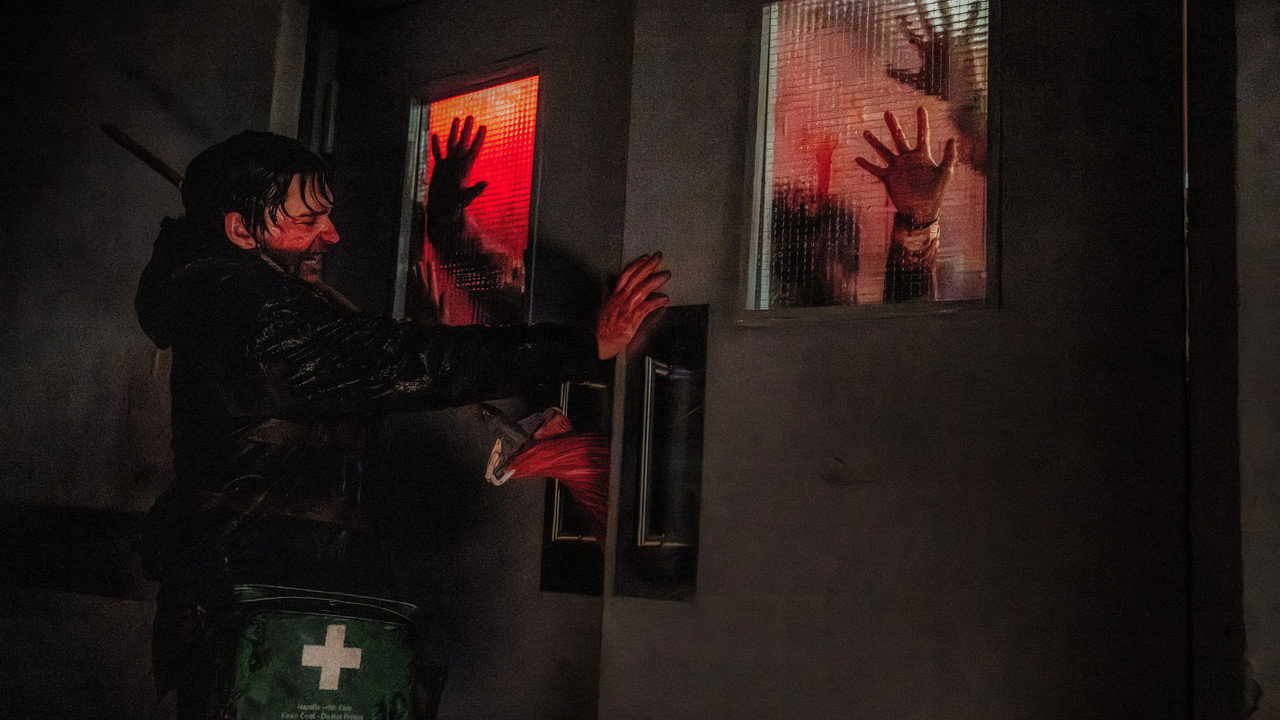
TVI’s 106, Competent, reflects a straightforward story and limited educational content alongside strong craft. That number weighs more than how much fun a film is. On fun alone, Resident Evil delivers: I was impressed by the production throughout, from its images to its timing to its comic nerve. For what this kind of movie should be, it nailed the assignment.
I would happily watch another shift.
The Intelligentsia Report
Film and television criticism, watch guides, and updates from TV Intelligentsia. Free. Unsubscribe anytime.
TVI Score Breakdown
| Dimension | Weight | Score |
|---|---|---|
| Cognitive Stimulation | 40% | 24 / 50 |
| Educational Value | 35% | 22 / 50 |
| Craft & Quality | 25% | 37 / 50 |
| TVI Score | 106 / 200 · Competent |
Formula: round((C × 0.40 + E × 0.35 + Q × 0.25) × 4) = 106. The three weighted dimensions do not sum to the total; the formula scales them.
Disclaimer: TVI's score is a content rating, not a measurement of intelligence.
Common questions
What is Resident Evil's IQ Score?
Resident Evil (2026) scores 106 of 200 on the TVI rubric, Competent tier, with Cognitive Stimulation 24 of 50, Educational Value 22 of 50, and Craft and Quality 37 of 50. It is the film's first TVI score, verified on a receipt from a scoring session on November 14, 2026.
What is Resident Evil (2026) about?
Zach Cregger's film, written with Shay Hatten, follows Bryan (Austin Abrams), a medical courier whose delivery takes him into Raccoon City. Columbia Pictures released it in United States theaters on September 18, 2026.
Is Resident Evil (2026) rated R?
Yes. The MPA rated it R for strong bloody violence, gore and language throughout. TVI's parent guide covers the rating and the game series behind the film.
Is the TVI score a measure of how enjoyable the film is?
No. In the reviewer's words: "That number weighs more than how much fun a film is." The score rates cognitive stimulation, educational value, and craft on a published rubric.
Film: Resident Evil (2026), directed by Zach Cregger, written by Zach Cregger and Shay Hatten. Columbia Pictures. With Austin Abrams. The IQ Score is a content rating, not an intelligence measurement.