Resident Evil: What Happens When We Stop Thinking
Alex Gigler on Zach Cregger's Resident Evil, a small lie about snow chains, and a horror film that moves too fast for anyone, the audience included, to stop and think.
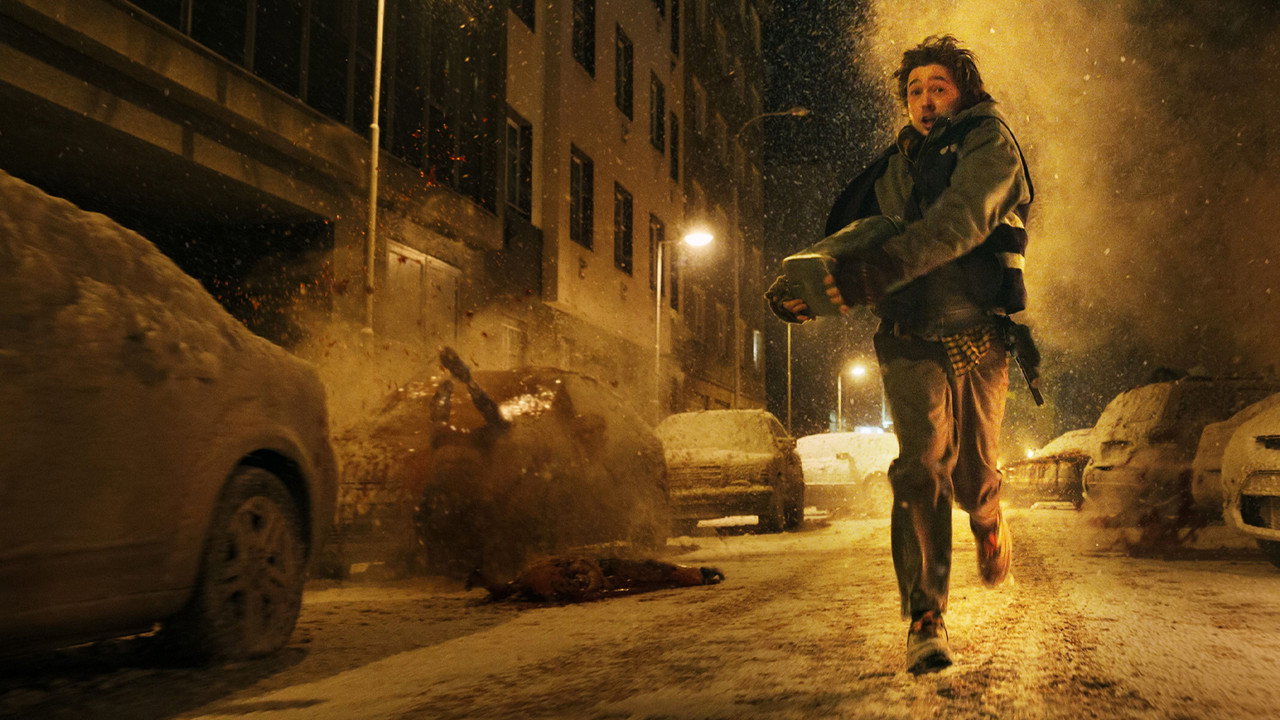
Alex Gigler reads Zach Cregger's Resident Evil, which Cregger describes as made by “turning off [his] brain,” as a film about thoughtlessness rather than a thoughtless film. Bryan's small lie about snow chains starts a procession of consequences that mirrors a world where people and institutions keep choosing the immediate solution over the reality it creates, and the film's pace reproduces the same failure of thought in its audience. The essay draws on Wilfred Bion's idea that thinking depends on the capacity to tolerate frustration.
Horror has always been adept at reflecting the anxieties of its historical moment. Invasion of the Body Snatchers (1956) turned Cold War paranoia, conformity, and fears of ideological takeover into neighbors who look human but somehow no longer are. Night of the Living Dead (1968) placed an apocalyptic threat inside a farmhouse at the end of a decade convulsed by racial conflict, political violence, and social upheaval. Halloween (1978) brought an inexplicable killer directly into the apparent safety of American suburbia. Horror need not consciously decide what it is "about" for the world that produced it to find its way inside. The unconscious, individual or cultural, is not known for waiting to be invited.
Zach Cregger has described the making of Resident Evil as an exercise in "turning off [his] brain," and his formal goal as making a 90-minute movie with roughly 82 minutes "flooring it." In a recent interview on The Big Picture podcast, he noted that the script was finished with only fifteen hours of work. As one might expect, those fifteen hours did not produce a thesis, but created something closer to pure experience. After all, it was his stated goal to make a movie designed to reproduce the pleasurable panic of playing the games. I believe him, of course. But an artist's conscious intentions have never exhausted the meaning of what he makes. If anything, the apparent mindlessness of Resident Evil makes what emerges from underneath it more interesting.
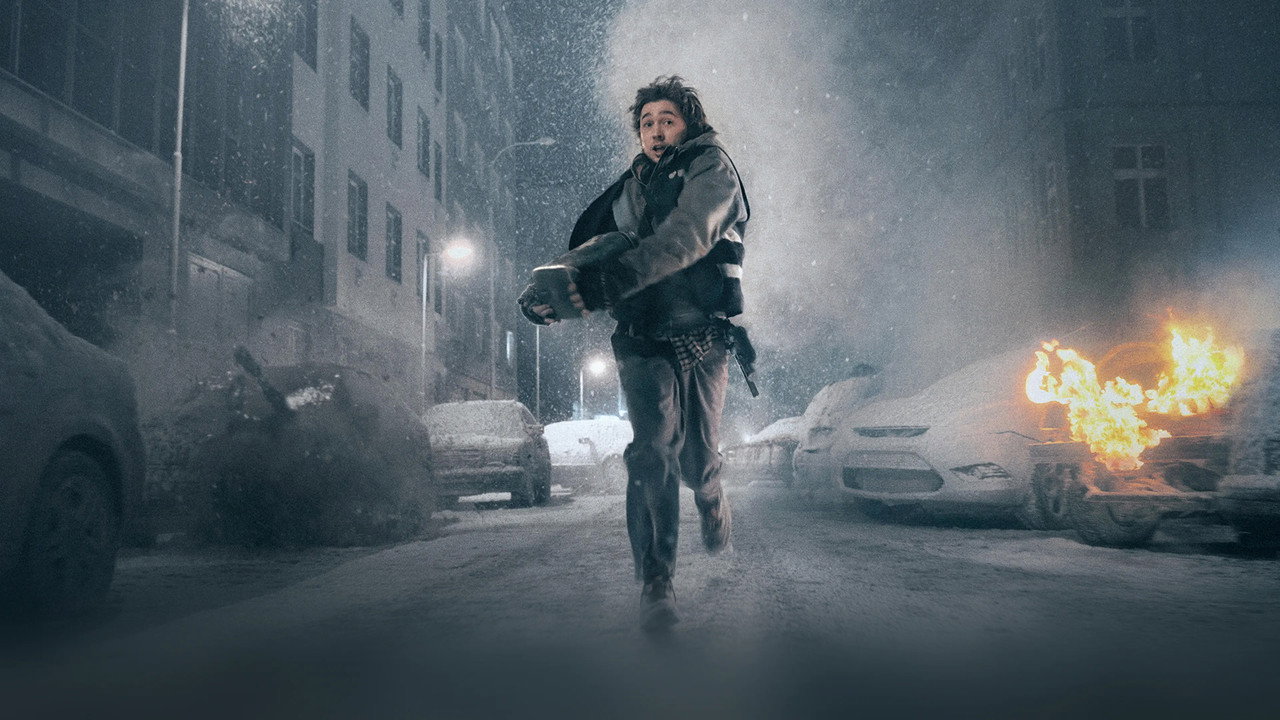
Everyone in this movie is cutting corners, acting out of short-sighted self-interest, and lying. Cregger has identified the first domino to fall in the film as the main character, Bryan, lying about having snow chains for extra money. He wants the money, the conditions are inconvenient, and telling a small lie allows him to keep moving, so he does. The lie puts him on an icy road for which he is unprepared. He loses control of his car, and from there unfolds an increasingly grotesque procession of consequences. A decision requiring almost no thought produces a story in which thought becomes increasingly impossible.
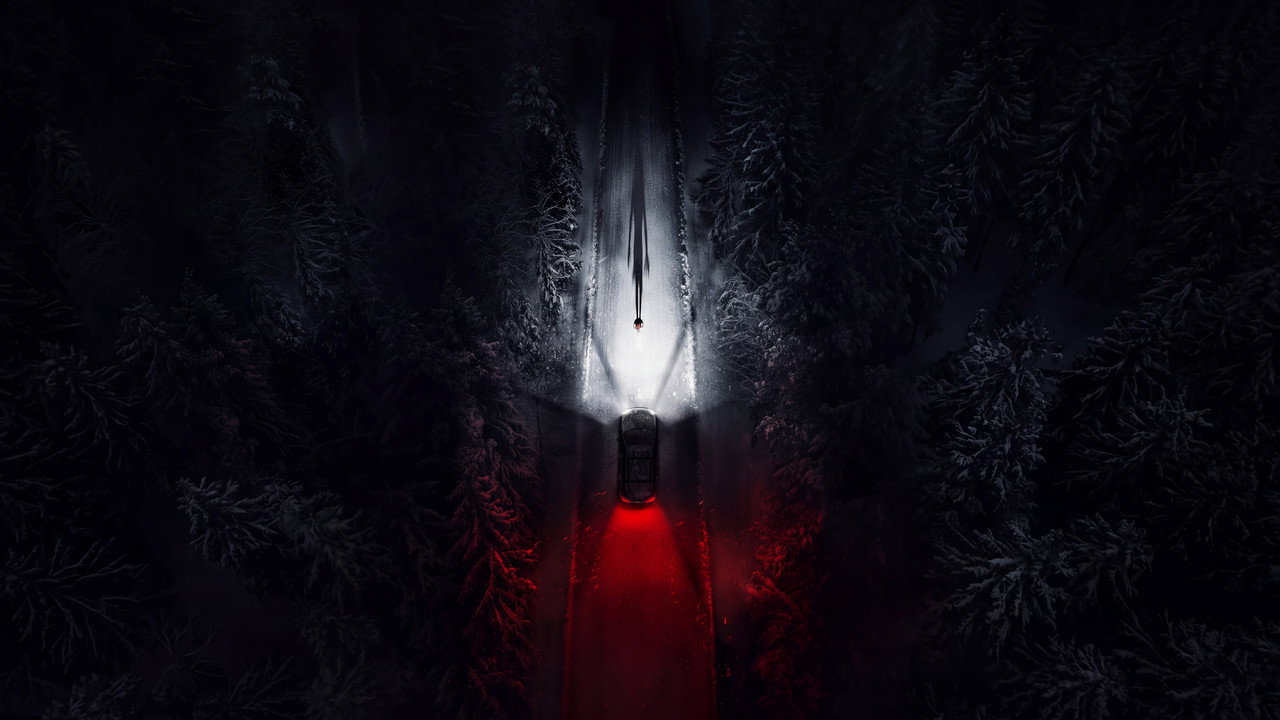
Catastrophe rarely announces itself as catastrophe. More often, it begins with a tiny accommodation, a thing we know we probably should not do but do anyway because stopping to think would require us to tolerate something we would rather avoid, like inconvenience, frustration, embarrassment, disappointment, or limitation. Psychoanalyst Wilfred Bion understood thinking as developing, in part, from precisely this capacity to tolerate frustration: to bear an experience long enough for it to become thinkable rather than immediately evacuating it through action. In this sense, the opposite of thought is not stupidity but an inability to remain with an unwanted reality long enough to think about it. The characters, from Bryan to the Umbrella Corporation suit to the scientists, do not so much make one catastrophically bad decision as move through the world by continually privileging the immediate solution over the reality it creates. In that sense, Resident Evil is not thoughtless. It is a movie about thoughtlessness. And what could be a better reflection of our contemporary historical moment than that?
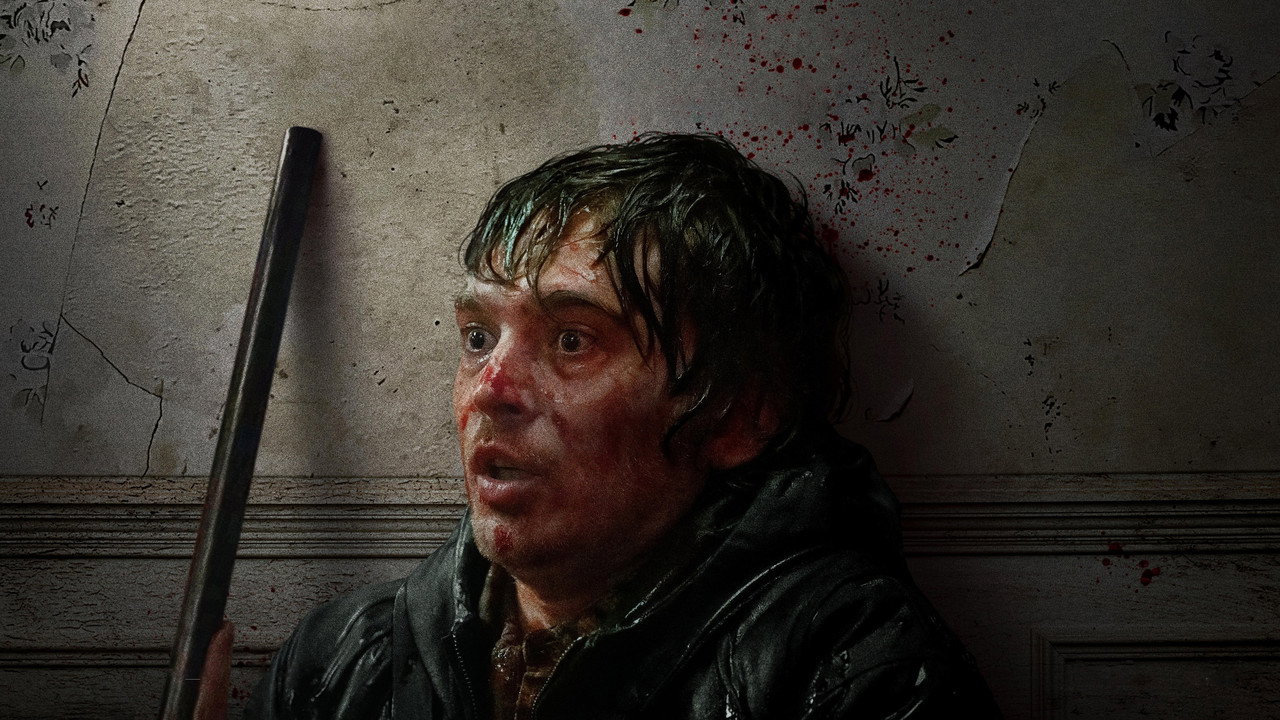
Resident Evil is not thoughtless. It is a movie about thoughtlessness.
The world of Resident Evil is one in which immediate expediency repeatedly displaces consideration of consequence. Individual mistakes nest inside institutional ones, and institutional mistakes produce horrors that individuals are left to survive. The grotesque creatures roaming Raccoon City are only the most literal manifestation of a world in which somebody, somewhere, decided that whatever came next could be dealt with later. Bryan's little white lie about the chains therefore becomes a miniature of the world around him. He cuts a corner and crashes his car. More powerful people cut corners and produce monsters. In 2026, it may be more comforting to imagine that catastrophe requires bad actors with bad intentions. Resident Evil offers something less reassuring, where good intentions are largely irrelevant in a world where nobody has adequately thought about what their actions might set in motion. The distinction between benevolence and destructiveness begins to collapse when action outruns reflection.
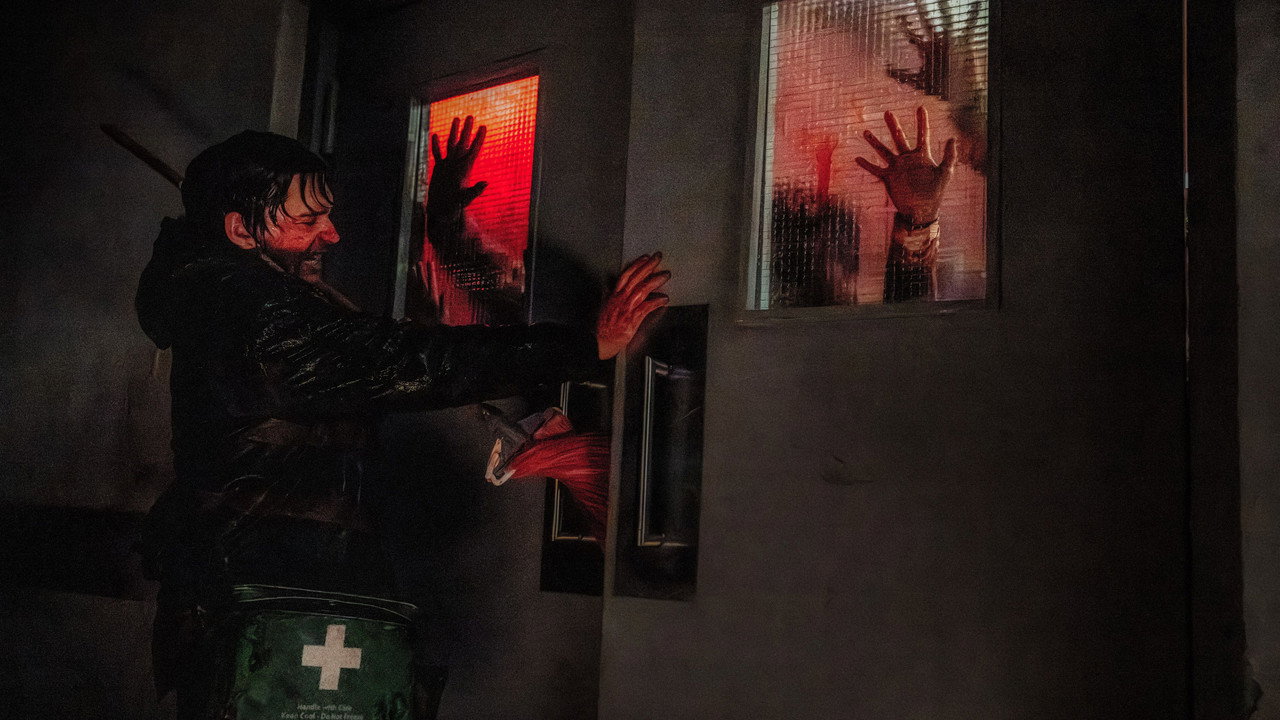
He cuts a corner and crashes his car. More powerful people cut corners and produce monsters.
And then the film reproduces this failure of thought in us, the audience. Because it moves so effectively, we surrender to the same psychological economy as Bryan. There is no time to ask what any of this means, or if it means anything at all. The pace doesn't allow time to metabolize one horror or laugh (and there are a lot of each: the film is quite funny) before another arrives. The movie asks essentially one question, over and over, for most of its running time: What now?
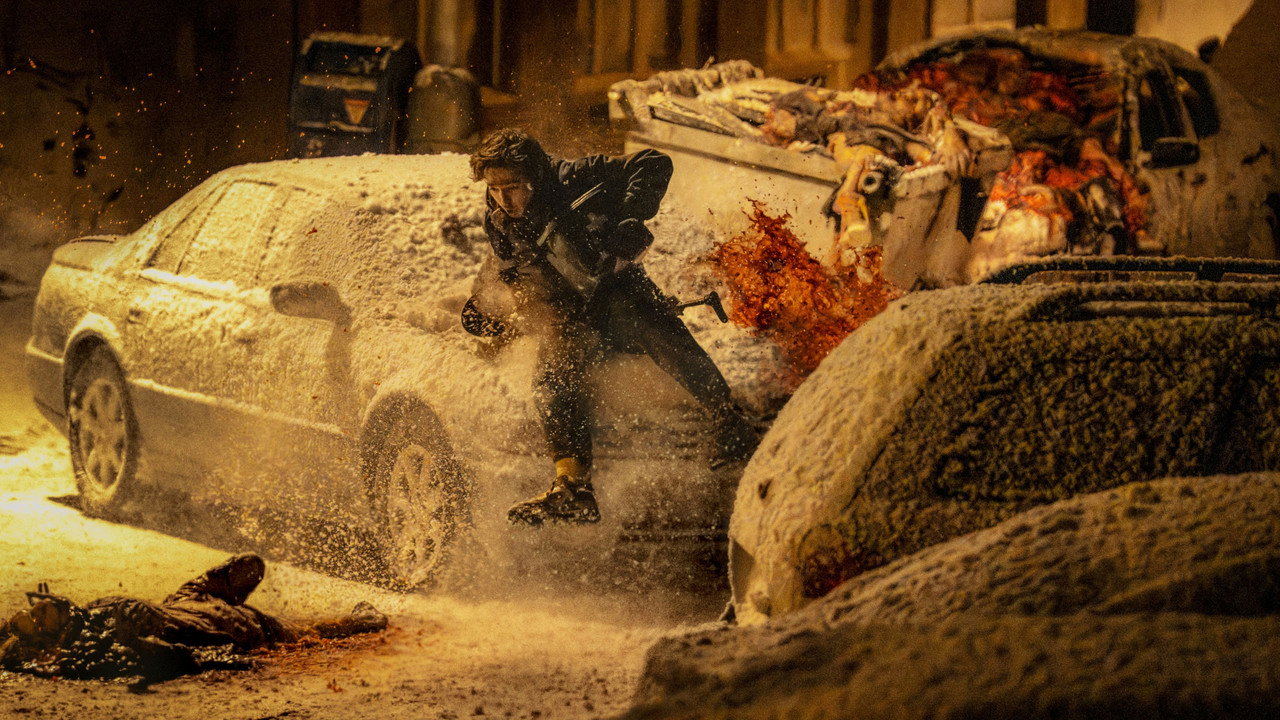
I walked out thinking I had seen a thoughtless movie, for better and for worse. With a little space from it, it's hard not to see it as an enactment of the consequences of not thinking, made in a form that doesn't permit the audience to think while watching it. But, again, for better and for worse, the film itself just doesn't stop moving long enough to think about it.
The credibility layer for what to watch
One scored, argued editorial a month, plus the next TVI Essential. No paid placements. No spam.
Common questions
What is Resident Evil (2026) about?
Zach Cregger's 2026 film, written with Shay Hatten and released by Columbia Pictures, follows Bryan (Austin Abrams), whose small lie about having snow chains puts him on an icy road and, from there, inside the catastrophe unfolding in Raccoon City. Cregger has said he wanted it to reproduce the panic of playing the games.
Who was Wilfred Bion?
A British psychoanalyst (1897 to 1979) whose theory of thinking held that the capacity to think grows partly from the capacity to tolerate frustration: to hold an unwanted experience in mind long enough for it to become thinkable, rather than discharging it through action. The essay uses the idea to read the film's characters, and its audience.
Does Resident Evil (2026) have a TVI score?
Not yet. The film is not currently in the TV Intelligentsia catalog, so this essay carries no score. TVI does not publish a number before a rater has watched and scored the work under the current standard.
Is this essay a review with a score?
No. It is a psychology essay about the film, an interpretation of the work rather than a scored review.
Who is Alex Gigler?
Alex Gigler writes The Inner Life, TV Intelligentsia's psychology and film column, and is a doctoral candidate in clinical psychology. His essays read films through psychoanalytic and developmental ideas. They are interpretations of the work, not clinical assessments of any person, and they do not set or change a title's TVI score.
Film: Resident Evil (2026), directed by Zach Cregger, written by Zach Cregger and Shay Hatten. Columbia Pictures. Essay by Alex Gigler for The Inner Life, TV Intelligentsia's psychology and film column.