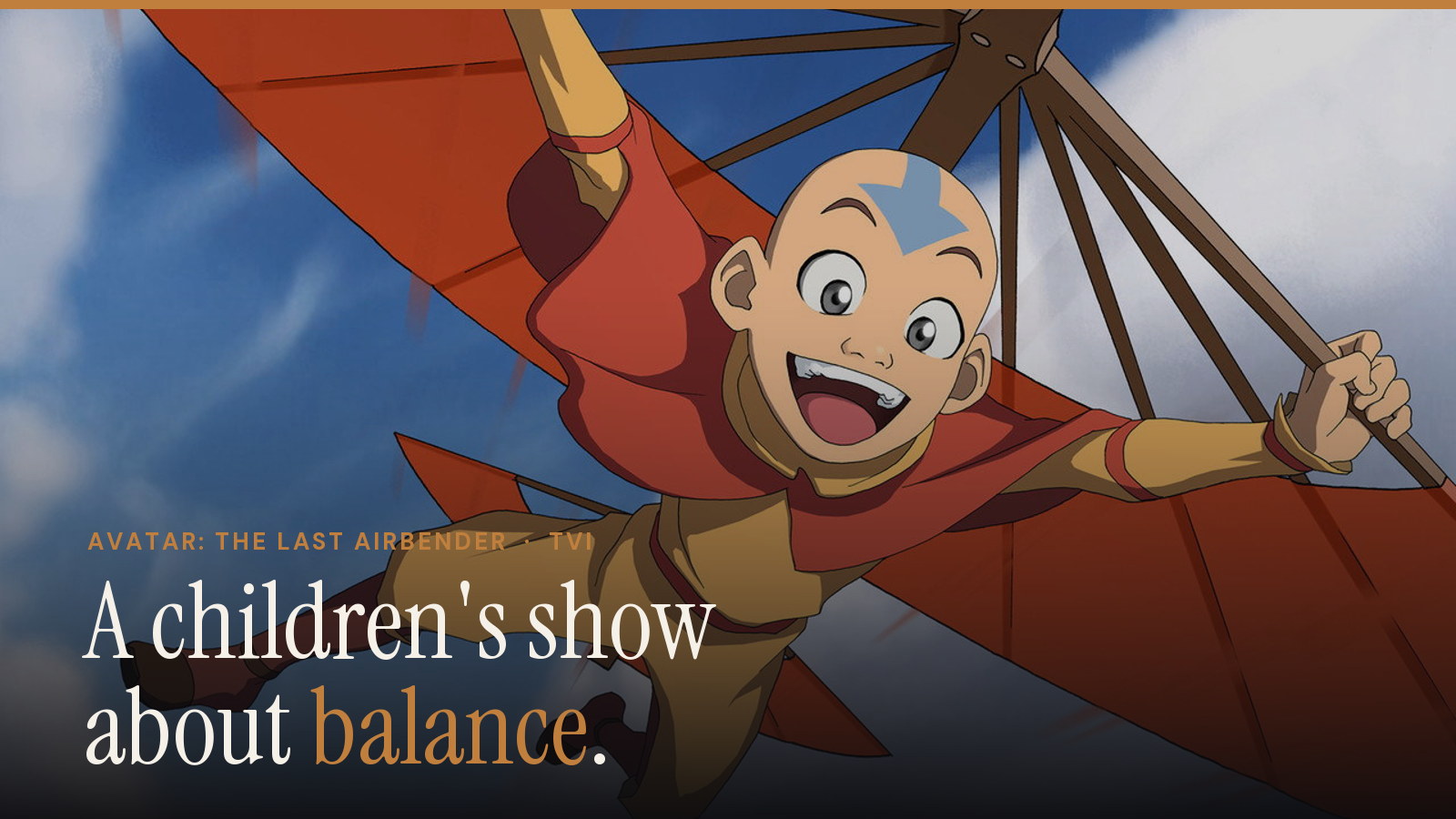

Some shows stay with us because we watched them at the right age. A smaller number grow with us. They do not simply send us back to childhood. They reveal what childhood was already carrying.
Avatar: The Last Airbender is one of those shows.
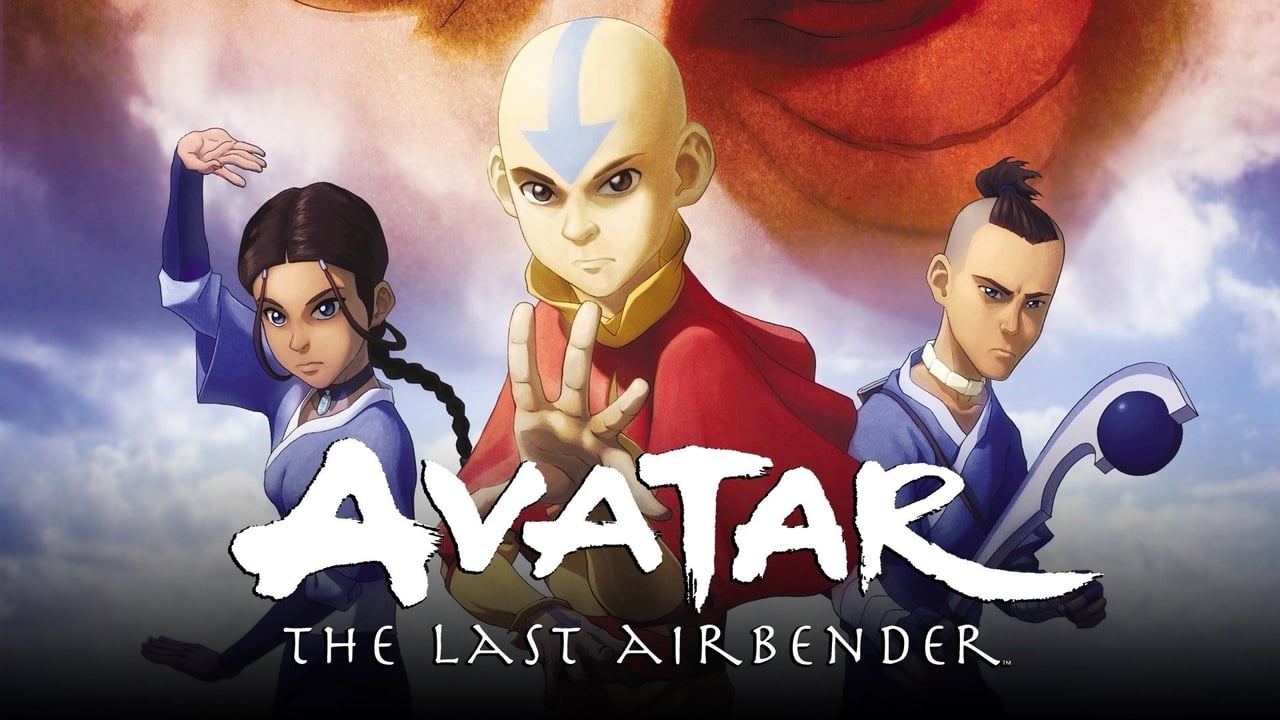
For children, it is an adventure: a boy in orange with a flying bison, a brother and sister from the Southern Water Tribe, a blind earthbending prodigy, a scarred prince, an old man with tea, jokes, battles, strange animals, impossible cities, and a world divided by four elements.
For parents, it is something else too. It is one of the rare children's series that gives a family language for grief, anger, shame, friendship, responsibility, forgiveness, and the frightening question of what a person should do with power.
That is why it still matters.
The first things many viewers remember are images: blue light under ice, Appa filling the sky, Aang laughing before he understands he is the last survivor of his people, Zuko standing in red light with a scar given to him by the person who was supposed to protect him, Iroh laying out a picnic for a son who will never come back.
That is how the show reaches children. Not as theory. Not as a lesson plan. Through image, motion, humor, music, and feeling.
The genius of Avatar is that the image carries the meaning until the child is old enough to name it. Aang glowing in the Avatar State is thrilling at eight. Later, it becomes a picture of power that is safe only in balance, and destructive without it. Zuko's scar is dramatic at ten. Later, it becomes a picture of inherited shame. Iroh's picnic is sad whenever you first see it. Later, it becomes almost unbearable.
Going back does not make the show smaller. It reveals how much was already there.
Developmental read
Watch the scene where Iroh sets out a small picnic for his dead son on the boy's birthday and sings until his voice breaks. A child who cannot yet define grief understands exactly what they are looking at. That is the show's method, and it is what earns Avatar the TVI Kids Essential designation. It does not simply expose children to hard subjects. It gives those subjects form.
Grief has form. Shame has form. Anger has form. Power has form. Friendship has form.
A child watching may not be able to explain all of that yet, but they can feel the difference between power used to dominate and power placed in service of repair. They can feel the difference between an adult who controls a child through fear and an adult who stays close enough for the child to become whole. They can feel that revenge and justice are not the same thing. They can feel that strength without restraint is not maturity.
The show's social-emotional value is unusually complete because it does not place all growth inside one protagonist. Aang, Zuko, Katara, Sokka, Toph, and Iroh each carry a different developmental problem. Together, they give children a broad emotional vocabulary: self-awareness, self-management, social awareness, relationship skills, and responsible decision-making. That is why Avatar earns a 49 out of 50 on the SEL scale.
The caution is not that the show is unsafe. The caution is that it is serious. War, genocide, parental cruelty, grief, and revenge are not background decorations here. They are part of what the show is about. For younger or more sensitive children, co-viewing matters because a parent's presence can help hold the feeling without flattening it into a lecture.
These are picks, not prescriptions. TVI reviews the content and the methodology, not your individual child.
Why this is TVI Kids Essential #2
TVI Kids Essential is our highest designation for children's content. It is not a synonym for famous, nostalgic, or beloved. Governing framework v1.1 requires Masterclass tier, exceptional social-emotional learning value, durability or a waiver, co-viewing reward, a separate written approximately 200-word Cordelia review held in the Essential record, and no structural disqualifiers. The public grant roster does not record that separate review artifact for Avatar; amendment A-C3 remains pending both founders.
The designation record cites Avatar's unusually complete structure.
First, it distributes growth across an ensemble. No single character has to carry the whole emotional map. The cast becomes a living library of development: Aang carries responsibility and restraint, Zuko carries shame and repair, Katara carries grief and moral anger, Sokka carries competence without supernatural inheritance, Toph carries autonomy, and Iroh carries love after loss.
Second, the show takes its spiritual and cultural architecture seriously. It draws from elemental cosmology, martial-arts traditions, Buddhist and Hindu-influenced spiritual ideas, and East Asian visual and philosophical references with unusual care for children's fantasy. These references are not decoration. They are part of the structure.
Third, it rewards adults without abandoning children. A child receives the adventure. An adult recognizes the architecture. Both are watching the same story, but not at the same depth. That is exactly why the show keeps opening.
The Lion King, our first TVI Kids Essential, earned that designation by staging a complete healing arc in archetypal form: anointing, rupture, repression, return. Avatar: The Last Airbender is recorded as our second for doing something more difficult across sixty-one episodes: depicting how power can be carried and integrated without becoming cruelty.
That is the public-facing achievement. The deeper achievement is formation. Avatar begins as a power fantasy and quietly becomes a map of the self. Every element is also a human capacity asking to be integrated.
Air is not escape. Water is not passivity. Earth is not stubbornness. Fire is not violence. Each can become wisdom. Each can become distortion. Power becomes safe only when it is integrated, restrained, and placed in service of something beyond the self. That is the lesson children can feel long before they can state it.
The elements are not just powers
Most viewers understand the four elements before they understand any theory. They know what water feels like in Katara's hands. They know what earth feels like when Toph plants her feet. They know what fire feels like when Zuko breathes before a strike. They know what air feels like when Aang moves before anyone can catch him.

The show lets a child learn metaphysics as bodily memory. The elements are not just magic types. They are ways of meeting the world.
Water adapts. Earth stands. Fire wills. Air releases. Each is necessary. Each is dangerous when isolated. Water can become avoidance. Earth can become rigidity. Fire can become domination. Air can become disappearance.
The Avatar's task is not to collect four powers like tools in a bag. The Avatar's task is integration: to stand, flow, burn, and breathe without letting any one stance become the whole self.
This is also why balance in Avatar is not stillness. Balance is not a statue. It is living coherence in motion. It is the ability to return to yourself after being changed by what you had to learn.
That matters for children because childhood often feels like being asked to grow without losing yourself. A child has to learn rules without becoming rigid. They have to learn kindness without becoming passive. They have to learn strength without becoming cruel. They have to learn freedom without disappearing from responsibility.
Avatar gives that developmental problem a fantasy shape. Aang is born Air. That is his gift: lightness, movement, humor, spiritual openness, nonattachment, play. But air alone cannot save the world. He must learn water, earth, and fire. He must become capable of what does not come naturally. The person most suited to save the world is not the one who stays pure. It is the one who can integrate what the world has split apart.
Read the companion essay, What Avatar's Four Elements Actually Mean, for the deeper symbolic architecture behind the four elements.
The teacher is often the opposite
There is another layer in the bending mythology worth naming because it clarifies what the show believes mastery is.

The first benders did not invent bending from inside themselves. They learned by watching the world. Airbenders learned from sky bison. Waterbenders learned from the moon. Earthbenders learned from badgermoles. Firebenders learned from dragons.
Look closely, and the pattern is strange. The teacher is not always the easy example. The teacher is often the limit case.
Airbending is learned from sky bison, the heaviest creatures in the sky. You do not learn lightness from something that was never heavy. You learn it from the creature that had weight to overcome.
Earthbending is learned from blind animals that know the ground because ordinary sight is unavailable. Toph becomes the human version of that lesson. She does not master earth despite blindness. She masters it by knowing the ground from the inside.
Waterbending is learned from the moon, the distant body that moves the oceans without touching them. Firebending is learned from dragons, whose older teaching reveals fire as life before a conquering nation reduced it to destruction. The boundary teaches the essence. The opposite teaches the power.
That is also how the characters grow. Aang has to stop running. Zuko has to recover fire as life instead of rage. Katara has to let grief move without letting it decide her future. Toph has to let relationship matter without becoming less strong. Sokka has to build mastery without inherited magic.
This is one of the show's most parent-facing truths. A child's growth often begins exactly where they resist it.
- The impulsive child may need stillness.
- The cautious child may need risk.
- The gifted child may need humility.
- The angry child may need grief.
- The independent child may need help.
Mastery is not the easy version of yourself getting stronger. Mastery is the part you avoided becoming available.
The chakra episode is the key
If there is one episode that decodes the series, it is Book Two, Episode 19, "The Guru."

The episode is quiet. No invasion. No comet. No giant battle. Aang sits with Guru Pathik at the Eastern Air Temple, and the show slows down enough to give children a map of the inner life.
Pathik walks Aang through seven blocked centers of energy, each tied to an emotional obstruction: fear, guilt, shame, grief, lies, illusion, and attachment. The language is mystical. The dramatic function is developmental. The episode shows a child that the inner life has order. Fear blocks one thing. Guilt blocks another. Shame blocks another. Grief blocks another. You do not become whole by skipping them.
Aang's blockages are not abstract. They are the plot.
- Fear: the genocide of his people and the terror that sent him into the iceberg.
- Guilt: the century he was absent while the world suffered.
- Shame: the harm he caused when the Avatar State took over and he lost control.
- Grief: Monk Gyatso and the Air Nomads he cannot bring back.
- Lies: the false separateness between self and world.
- Illusion: the surface boundaries that keep nations and people apart.
- Attachment: his love for Katara and his fear of losing her.
The episode's power is not that it gives children a religious lesson. It gives them a structure. A child may not understand the word "chakra." They can understand that fear, guilt, grief, and shame live inside people and shape what they can do, and that growing up means facing those feelings without pretending they are not there.
Then Aang refuses the final instruction. Pathik tells him that to fully access the Avatar State, he must release earthly attachment. Aang cannot release Katara. He chooses love, and the episode ends in failure.
That failure matters. The finale does not return to renunciation as the moral answer. Aang does not become whole by abandoning love. He also does not become whole by surrendering his refusal to kill. The show's answer is more interesting: Aang carries attachment, grief, mercy, and power without letting any one of them possess him.
That integration has a frightening starting point, the part most power fantasies skip. The first task of the powerful is not to grow stronger. It is to learn not to harm by accident. Aang's deepest fear is not the Fire Lord. It is the Avatar State, his own power moving through him while he cannot control it.
The question the capable child actually asks is not always, how do I become powerful. Often it is: if I cannot hold this, how many people will I hurt? Carrying power begins there, in containment, long before it arrives at heroism.
Aang's task is integration, not domination
Aang is twelve years old when he wakes up. The world has been at war for a hundred years. His people, the Air Nomads, were killed while he slept. He is the last of his kind. He is also the Avatar, the only person who can master all four elements and end the war.
That premise is doing more than plot. The last airbender is asked to save a world dominated by fire. Air, in the show's deepest symbolic register, is breath, lightness, movement, mind, nonattachment, and the capacity to change direction without domination. Fire, in its shadow, is will hardened into conquest. The world has been taken over by force. The answer begins with a child who still knows how to move lightly.
But Aang's gift is not enough. That is the point. Air alone cannot save the world. Joy must learn grief. Mercy must learn force. The mind must learn ground. Play must learn responsibility.
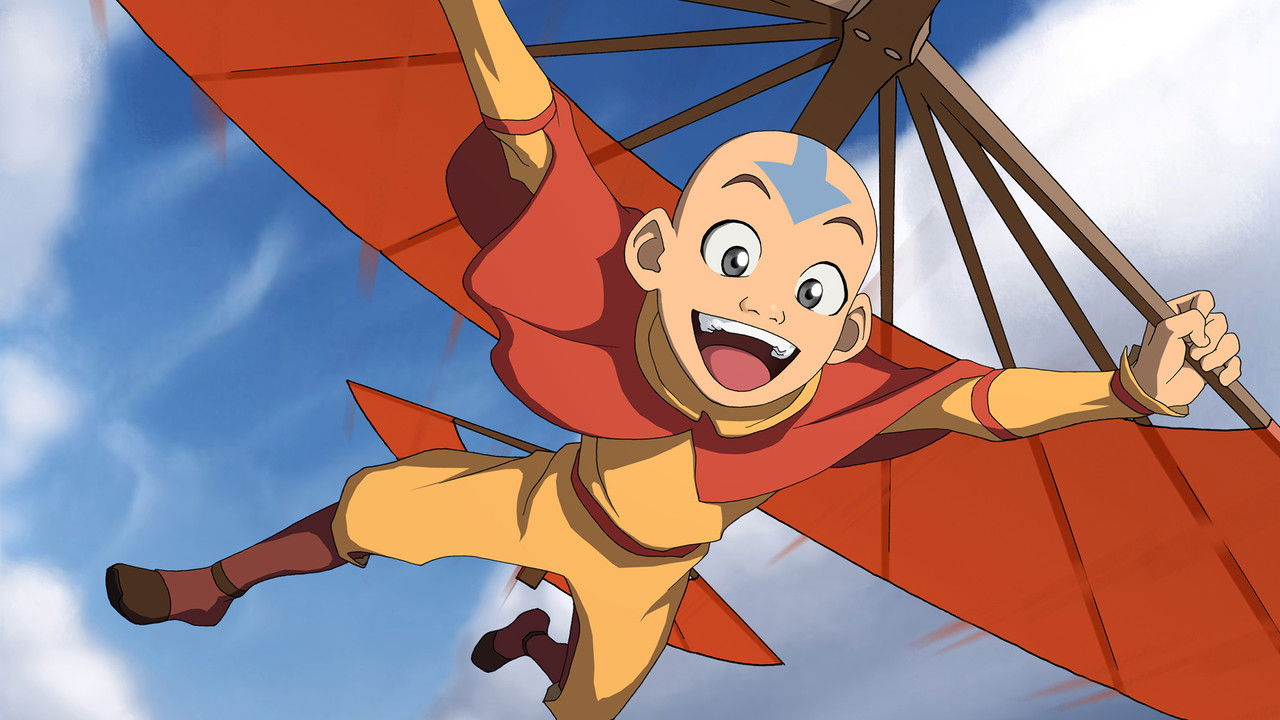
For Aang, integration does not mean becoming less Air Nomad. It means his air has to mature enough to hold what air alone could not. Earth teaches confrontation. Water teaches movement with feeling. Fire teaches committed force recovered as life, not conquest.
The Avatar is not a weapon with four settings. The Avatar is the center where the four elements can meet without any one of them taking over.
That is why Aang's final refusal matters so much. The show does not resolve its story by having the gentle child admit that cruelty was necessary after all. It also does not let him remain naive. Aang has to find a way to stop Ozai without becoming Ozai's mirror.
For children, that is a rare lesson. Many stories teach them that power is proven by winning. Avatar teaches them that power is proven by what you refuse to become. For parents, it gives a language for one of the hardest parts of raising a child: helping them become strong without teaching them that strength means domination.
Power becomes safe only when it is integrated, restrained, and placed in service of something beyond the self.
Why the show still feels like childhood
Nostalgia is usually treated as a soft category, a haze affection throws over old media. That is not what is happening here. Avatar feels like childhood because it preserved childhood's actual contradictions. Children are silly and morally serious in the same hour. A twelve-year-old can want a snack and a sacred duty, a crush and the survival of the world, and can laugh five minutes before asking a question that breaks your heart. The show remembers that.
Aang is not a child-shaped adult. He does not become worthy of the story by outgrowing play. He becomes worthy by learning what play can and cannot save him from. The show lets him laugh, then makes him look at Monk Gyatso's remains. It lets him dance, then asks whether he can preserve life without becoming naive about violence.
That is why the rewatch cuts deeper than the first watch. At ten, you wanted to be Aang because he could fly. At thirty, you realize the show was asking whether joy can survive responsibility. At ten, Zuko was the angry villain with the scar; at thirty, he is a child trying to earn love from a father whose approval would destroy him. At ten, Iroh was the funny uncle with tea; at thirty, you hear the grief under his patience.
The show did not betray the child viewer by becoming more adult later. It was always adult in the way childhood is adult before adults notice. It trusted children with loss, shame, death, cruelty, disability, forgiveness, and moral refusal, and it trusted them with jokes. That is why it still feels warm without becoming small.
Zuko does not switch sides. He overcomes an inheritance.
Calling Zuko's story one of television's great redemption arcs is true. It is also incomplete.
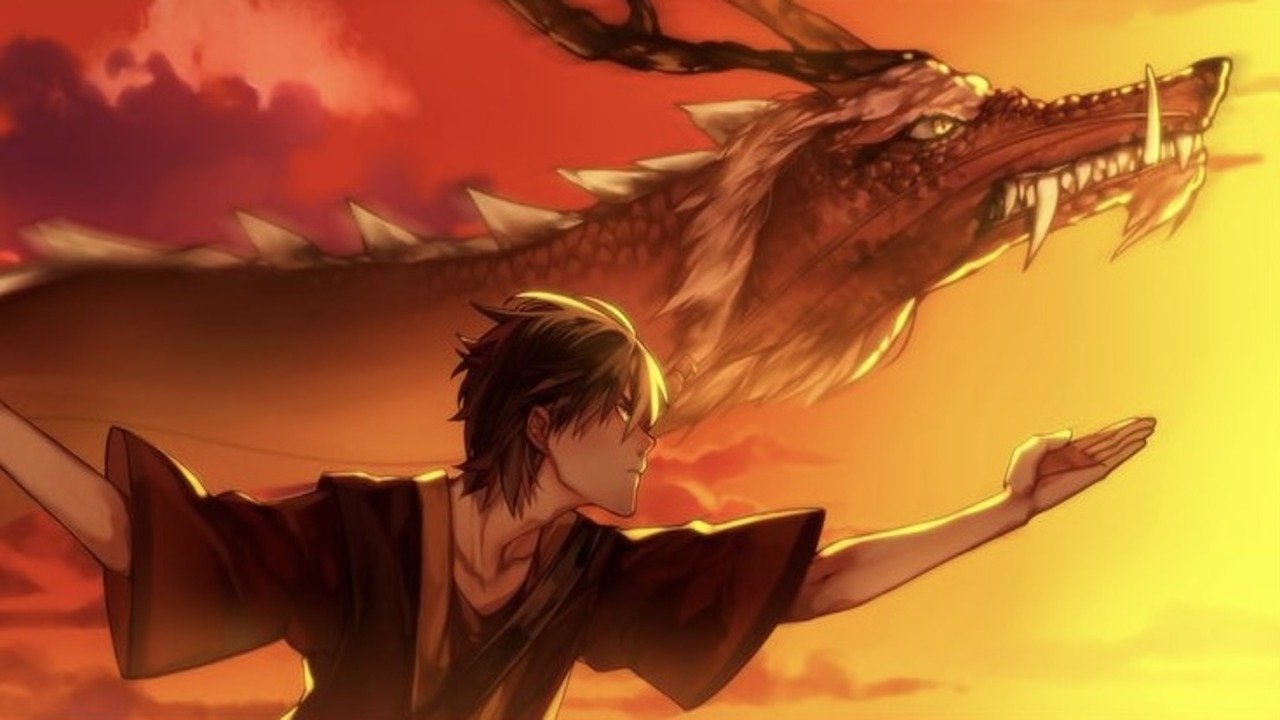
Zuko's real story is inherited shame. What memory recalls first is the surface: the ship at night, the red glow of fire, the scar, the topknot, the word honor repeated until it stops sounding like a virtue and starts sounding like a wound. Zuko arrives as intensity without freedom. He is a boy whose father has replaced love with a mission.
Capture the Avatar. Restore honor. Come home.
The show understands that this is not only a villain premise. It is a shame premise. It is an inheritance premise. Zuko receives a story about power, obedience, honor, masculinity, nation, and love before he is old enough to refuse any of it. His father scars his face, but the deeper scar is interpretive. Zuko has been taught what his pain means, what his worth depends on, and what he must do to become lovable again.
That is why his mission is impossible in the exact way abusive systems make missions impossible. He is given a condition for love that love itself should never have had.
For parents, Zuko's arc is one of the show's clearest warnings. Children will organize themselves around the sentences adults give them. Some children spend years trying to become worthy of love that should have been freely given.
Zuko's healing does not happen all at once. That is why it works. He nearly reaches a better self in the caves under Ba Sing Se, then chooses Azula. He gets what he thought he wanted: restoration, status, proximity to his father, the official return of honor. Then the reward feels empty. That emptiness teaches him what Iroh could not force him to know.
By the time Zuko confronts Ozai, the speech is not a sudden reversal. It is authorship returning to the self. Recovery from shame is not the recovery of pride. Pride can still be organized around the wound. Recovery is the capacity to say who you are without borrowing the sentence from the person who hurt you.
That is why the arc endures. Other shows announce redemption. Avatar rehearses it, fails it, restarts it, and only then lets it land.
Iroh, and the adult who stays
Iroh is often remembered as the show's comfort figure: tea, jokes, patience, wisdom offered with a smile. That memory is not wrong. It is incomplete.
Iroh works because his warmth has weight under it. He is not gentle because nothing happened to him. He is gentle after loss, after war, after ambition, after the death of his son, after learning that conquest cannot give back what it takes. His kindness is not temperament alone. It is a discipline he chose after becoming someone he no longer wanted to be.
That is why he is the adult Zuko needs. Iroh does not excuse Zuko's rage. He does not validate the shame Ozai gave him. He does not pretend the wound is smaller than it is. He stays close enough for Zuko to imagine another self, and patient enough not to force that self into being before Zuko is ready.
This is one of the show's strongest developmental constructions. Iroh gives the series a precise model of an adult ally. Not an adult who fixes everything. Not an adult who denies consequences. Not an adult who controls the child into goodness. An adult who remains present while the child does the work. Iroh does not save Zuko by replacing Zuko's agency. He keeps another future visible until Zuko can choose it.
For parents, this may be the most quietly practical lesson in the series. Sometimes the work is not to deliver the perfect speech. Sometimes the work is to stay regulated, stay loving, stay near, and keep the better future visible until the child can walk toward it.
"The Tales of Ba Sing Se" makes this visible. Iroh prepares a picnic for his dead son on his birthday. The scene does not resolve grief. It honors continuation. Love does not stop because it is no longer returned in the same form. At the child register, the scene frames grief without resolving it. At the adult register, it is almost unbearable.
Sokka is doing the hardest work
Sokka cannot bend. In a show built around bending, that should make him auxiliary.
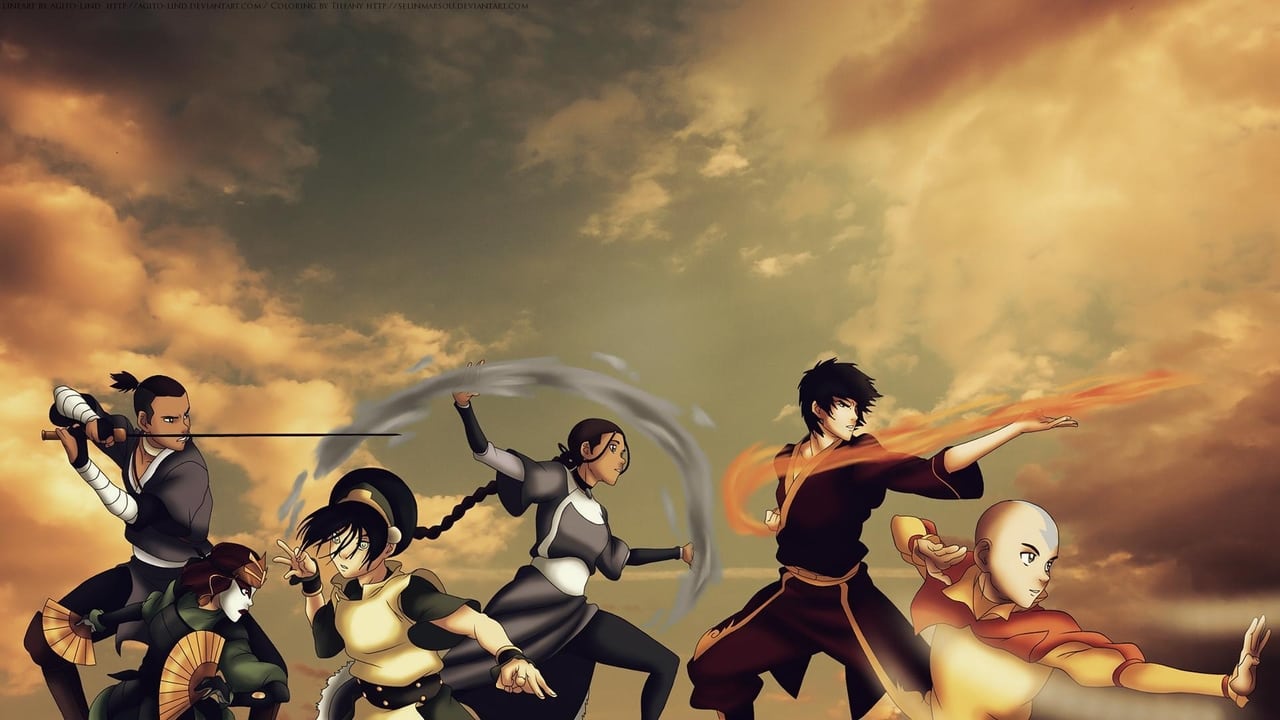
The show refuses. The memory of Sokka is comic before it is serious: sarcasm, meat, boomerang, bad plans delivered with total confidence, the blessed recurrence of embarrassment. But the longer the show runs, the clearer the structure becomes. Aang is the Avatar. Katara becomes a master waterbender. Toph is the most physically formidable earthbender alive. Zuko is firebending royalty. Sokka has no elemental inheritance. He has to build everything he becomes.
That is structurally essential. Every other main character's growth is, in part, growth in bending. Sokka's growth is attention, planning, humility, and craft. He plans the Day of Black Sun invasion. His inventions change the military geography of the story. He studies under Piandao because he wants a mastery that did not arrive in his bloodline. In the final battle, he helps bring down the airship fleet with no supernatural endowment at all.
The bender characters offer children a fantasy. Sokka offers them a method. The fantasy is thrilling. The method is usable.
Most children are not chosen. Most children are not prodigies. Most children will not discover a hidden element inside them that makes the world rearrange around their gift. The show gives those children Sokka. Not as consolation. As dignity. Intelligence, practice, humor, loyalty, and tactical imagination are not lesser powers. They are human powers.
Sokka also protects the show from its own mythology. Without him, the elemental system could imply that worth is inherited. Sokka keeps the opposite truth in the room. Power is not only what you are born able to bend. Power is attention trained into competence. Power is humor that keeps despair from freezing the group. Power is the plan nobody else thought to make.
At ten, Sokka is funny. At thirty, he is the adult lesson hiding inside the comic relief: the absence of magic is not the end of contribution. It is the beginning of a different kind of discipline.
Katara, grief, and the refusal to become revenge
Katara is sometimes flattened into the responsible one, the motherly one, the healer. She is those things, but the show is much more honest about her than that.
Katara is also angry. She has reason to be. Her mother was killed by the Fire Nation. Her tribe has been diminished by war. Her childhood was shaped by absence, responsibility, and loss. Her care for others is real, but it is not soft because she has never been wounded. It is strong because she has.
That is why "The Southern Raiders" matters. The episode gives Katara the thing revenge stories usually promise: the name, the trail, the man responsible. It lets her stand in the rain with the power to punish the person who helped break her childhood. Then it refuses to make revenge the same thing as healing.
This is one of the show's most mature moral distinctions. Katara does not have to forgive in a sentimental way. The episode does not ask her to pretend the harm was smaller than it was. It does not tell children that goodness means denying anger. But it also does not let anger become her future.
Katara's choice is not cheap mercy. It is self-possession. She refuses to let the person who hurt her decide what kind of person she will become.
That matters for children because anger is often one of the first places they experience power. Anger gives energy. Anger gives clarity. Anger says something matters. But anger cannot be the whole self. Katara's arc gives a child a better sentence: your anger may be telling the truth about what happened, but it does not have to choose who you become.
Toph, autonomy, and being known without being reduced
Toph could have been written as a simple reversal: the blind girl who is secretly powerful. The show goes deeper.
Toph's family sees her disability before they see her. They love her, but their love is organized around protection so total that it becomes a cage. They know one fact about her and mistake it for the whole person.
Toph's earthbending is not only combat. It is self-revelation. She knows the ground. She reads vibration. She turns the very thing others use to underestimate her into a different form of perception. The show does not make her strong by pretending blindness is irrelevant. It makes her strong by refusing to let blindness become the only fact that matters.
For children, Toph is a thrilling figure of autonomy. For parents, she is a warning about care that cannot tolerate the child's full personhood. Children need protection. They also need room to become competent. They need adults who see their vulnerabilities without reducing them to those vulnerabilities.
Toph's story is not an argument against parental care. It is an argument for care that can adjust when the child is stronger, stranger, and more capable than the adult expected. That is another reason Avatar is so valuable for families. It does not only ask children to grow. It asks adults to reconsider what kind of love helps growth happen.
The Air Nomad genocide, taken seriously
The show reveals its central wound in episode three. Aang reaches the Southern Air Temple expecting to come home. Instead he finds absence. The places of play are still there. The architecture is still there. The air itself seems to remember the people who moved through it. Then Aang finds Monk Gyatso's skeleton in the meditation hall, surrounded by the remains of Fire Nation soldiers.
Aang's whole people are dead. Not displaced in a way the show can repair by the finale. Not hidden in a valley waiting for the hero to find them. Dead. No surviving Air Nomad community. No intact temple life. No elders who can restore the lost pattern by explaining it.
The show does not turn genocide into a revenge engine. It turns it into a carrying problem. What does a child do with a people he cannot bring back. How does he remain Air Nomad when there are no Air Nomads left to mirror him. How does a culture survive when its last child is also being asked to save the world that allowed it to be destroyed.
The more precise reading is Tibetan and Buddhist-coded loss. Aang's markers are specific: robes, monastic structure, temple architecture, child-recognition ritual, and a spiritual office carried through successive lives. The show is not using a generic fantasy people as set dressing. It is coding cultural and spiritual continuity with care.
There is also a deeper symbolic wound. The Fire Nation does not merely kill a people. It nearly removes an entire mode of being from the world: lightness, contemplation, play, breath, spiritual discipline, the non-dominating mind. The war is not only political. It is metaphysical. The world has lost contact with air.
That is why the Air Temples are haunted. The airball court is funny until it is not. Momo is cute until he is one of the only living things left in a dead sacred place. The glider is freedom until it is also inheritance. The show lets children feel all of this without handing them the adult words for it. Some losses are never undone. They are carried.
The first task of the powerful is not to grow stronger. It is to learn not to harm by accident.
What to watch for, when you watch
These are anchor episodes. The full sixty-one are worth watching in sequence.
Book One, Episode 3, "The Southern Air Temple." The genocide reveal and Aang's first overwhelming grief. Be present for this one.
Book One, Episode 8, "Winter Solstice Part 2: Avatar Roku." The first sustained appearance of a past Avatar. The mythology underneath the bending surface starts here.
Book Two, Episode 7, "Zuko Alone." Exile, family violence, and the wound beneath Zuko's anger.
Book Two, Episode 15, "The Tales of Ba Sing Se." The Iroh vignette. Grief, continuation, and one of the show's most difficult scenes.
Book Two, Episode 19, "The Guru." The chakra episode. The developmental spine of the series.
Book Two, Episode 20, "The Crossroads of Destiny." Zuko's almost-redemption and chosen reversal. The show lets him fail after growth begins.
Book Three, Episode 13, "The Firebending Masters." Fire recovered as life, not destruction.
Book Three, Episode 16, "The Southern Raiders." Katara, revenge, and grief without sentimental forgiveness.
Book Three, Episodes 18 to 21, "Sozin's Comet." The lion turtle, energybending, moral refusal, and the show's final structural argument.
A parent note: pick your conversation moments lightly. You do not need to discuss every episode deeply. One good question is better than a lecture. A quiet presence is often better than either.
The argument
We are claiming Avatar: The Last Airbender as TVI Kids Essential #2 because it gives children a full developmental architecture and lets them encounter it first as adventure.
That last phrase matters. First as adventure. Not as therapy. Not as school. Not as a parent-approved lesson plan wearing a costume. Adventure is how the structure gets in before the defenses go up.
The child watches Aang laugh, run, fail, and refuse cruelty. Later, maybe, they understand integration. The child watches Zuko rage, chase, collapse, and rebuild. Later, maybe, they understand shame. The child watches Katara stand in the rain with revenge in her hands and choose not to close them. Later, maybe, they understand mercy. The child watches Sokka make jokes until the jokes reveal discipline. Later, maybe, they understand competence. The child watches Toph refuse to be made small. Later, maybe, they understand autonomy. The child watches Iroh sing to a son who will not return. Later, maybe, they understand grief.
That is what makes it essential. Not because it is famous. Not because it is beloved. Not because the internet agreed that it was good. Because it still works.
It works at ten, when the world is color and motion and jokes and danger. It works at thirty, when the scar looks different, the picnic hurts more, and the question under Aang's refusal is no longer abstract. It may work even later, when the viewer has names for grief they did not have before, and the hill Iroh climbs has become crowded with their own dead.
That is the reason to watch it with a child. Not to explain it. Not to turn it into homework. To sit beside them while the image enters. The blue light. The scar. The flying bison. The rain. The picnic. The comet. The final refusal. Let the image make first contact.
One day, when the world hands them grief, shame, power, anger, inheritance, or the temptation to become cruel because cruelty looks strong, they may not remember the lesson as a sentence. They may remember the way through.
Discussion prompts
Pick one. Do not turn the show into homework.
For younger viewers, with a grown-up:
- Aang finds out he is the last airbender. What do Katara and Sokka do that helps him not be alone with that feeling?
- Zuko wants his father to be proud of him. What would a kind adult want Zuko to know?
- Toph's parents try to protect her, but they also hold her back. How can grown-ups help a child stay safe without making them feel small?
- Sokka cannot bend. What does he practice that still makes him important to the group?
For parents watching with children, especially ages 8 to 12:
- Aang is afraid of the Avatar State because he can hurt people when he loses control. What helps a child learn to handle strong feelings without being ashamed of having them?
- Katara is angry about what happened to her mother. What is the difference between feeling anger and letting anger choose what kind of person you become?
- Iroh stays close to Zuko even when Zuko is not ready to change. What does steady love look like when a child is angry, ashamed, or not yet ready to hear the truth?
- The four nations all have their own way of fighting and seeing the world. Is one way enough, or does each one know something the others need?
For viewers of any age:
- The Guru tells Aang he must release attachment to the people he loves. Aang refuses. What does the show seem to be saying about the relationship between love and growth?
- Zuko spends most of the show carrying shame he did not earn. What helps him stop carrying it? Who, in your own life, does for you what Iroh did for him?
- Sokka has no bending. He invents. He plans. He learns the sword. What does the show seem to be saying about what people can do without supernatural gifts?
- Aang refuses to kill Ozai, even when almost everyone tells him there is no other way. When is restraint a form of strength rather than avoidance?
TVI Score Breakdown
| Dimension | Score | Weight |
|---|---|---|
| Cognitive Stimulation | 46 / 50 | 0.40 |
| Educational Value | 44 / 50 | 0.35 |
| Craft & Quality | 46 / 50 | 0.25 |
| Composite (TVI Score) | 181 / 200 | Masterclass tier |
| SEL Score (CASEL framework) | 49 / 50 | n/a |
Formula: round((46 × 0.40 + 44 × 0.35 + 46 × 0.25) × 4) = round(181.2) = 181
Methodology note: TVI's composite score combines three weighted dimensions across a 0-to-200 scale. The SEL Score (Social-Emotional Learning) is scored separately on the CASEL framework's five competencies (self-awareness, self-management, social awareness, relationship skills, responsible decision-making). The TVI Kids framework is shaped and reviewed by Cordelia Witty, EdS., NCSP, who personally reviewed this designation. Score locked at publication, reflects TVI methodology v1.2. Full methodology at tvintelligentsia.com/methodology.
Disclaimer: TVI's score is a content rating, not a measurement of a child's intelligence or a viewer's intelligence.
Two free guides built on the same lens, and the work behind the number.
Free guideThe Substance ListTwenty-four films and shows, grouped by the formal and cultural value the score cannot capture. Free guideKinds of MindHow fiction imagines intelligence, read across twenty-one characters. EditorialThe Lion King, reviewedAn inherited pattern, and how grief becomes a throne. MethodologyHow the TVI Score worksThree weighted dimensions. One published rubric. Every score citable.About the authors
About TV Intelligentsia. TV Intelligentsia is an independent credibility layer for what to watch. We score films and television on a public methodology grounded in cognitive science, developmental psychology, and media-effects research. TVI Kids Essential is our highest designation for children's content; Avatar: The Last Airbender is Essential #2, the second ratification under the TVI Kids Essential framework (v1.1), following The Lion King (1994). Editorial scores are not for sale. Find us at tvintelligentsia.com.
Series: Avatar: The Last Airbender (2005-2008), created by Michael Dante DiMartino and Bryan Konietzko. Head writer Aaron Ehasz. Music by Jeremy Zuckerman and Benjamin Wynn (The Track Team). Iroh voiced by Mako Iwamatsu in Books One and Two, Greg Baldwin in Book Three. Distributed by Nickelodeon. Sixty-one episodes across three books. Written by Jordan Robinson, MD, MPH (Founder, TV Intelligentsia), with developmental review by Cordelia Witty, EdS., NCSP (Founding Editor, TVI Kids). Score 181/200 (Masterclass). TVI Kids Essential #2. Companion editorial: /reviews/avatar-elements-decoded/ (mystic decoding). Published June 25, 2026; updated August 23, 2026 at tvintelligentsia.com/reviews/avatar-last-airbender.