TVI Kids · Parent Decision Guide
Is Little Amélie OK for Kids?A PG Film About a Three-Year-Old That We Place at 13 and Up
Short version: the narrator is three, the film is not for three-year-olds. It is a beautiful, funny, sometimes frightening account of a mind coming online, and the parts that make it worth watching are the parts a young child will not follow.
Jordan Robinson, MD, MPH
Accountable editor · Built on the published TVI methodology; editorial guidance, not individualized advice
Accountable editor · Built on the published TVI methodology; editorial guidance, not individualized advice
Official trailer, embedded from YouTube.
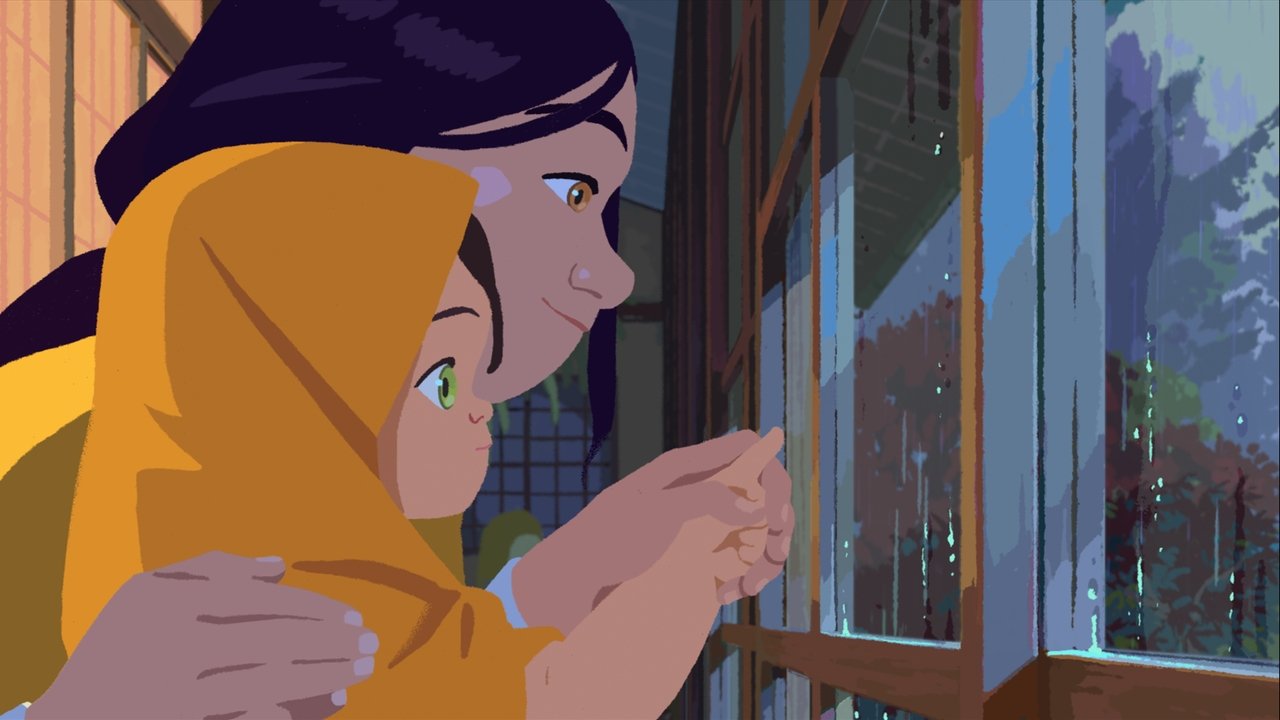
Short answer: yes for teenagers, and yes for a younger child only with a grown-up who is ready to talk. Little Amélie or the Character of Rain is rated PG in the United States. We place it at ages 13 and up, and both founders scored it together at 158 out of 200, Stimulating, with an SEL score of 35. The reasons for the band are concrete. Amélie nearly drowns twice, once in the sea and once in the family's carp pond. Her grandmother dies, gently and offscreen, and the film answers a child's question about death with a story about the bombing of Kobe. The narration is an adult looking back with irony at her three-year-old self, and most of the film's comedy and much of its meaning live in that gap. A younger child may still love the color and the child at the center. The film's argument is for someone older.
The next decision
Make the next yes-or-wait call faster
Get new TVI Kids parent guides as they publish, with the age fit, the scenes that matter, and what co-viewing changes. Free.
158 / 200
Stimulating
Cognitive
43 / 50
Educational
33 / 50
Craft
43 / 50
SEL
35 / 50
Ages 13+. SEL Score reflects alignment with the CASEL framework. It is reported alongside the TVI Score for kids titles and does not change the composite. This is a verified score, produced under the current standard with a component receipt on file.
What is actually in it
The official PG describes the industry classification. This table names the moments that decide whether the film fits the child and the night.
| Category | Level | What a parent should know |
|---|---|---|
| Peril | Moderate | Two near-drownings, filmed from the child's point of view. The first is in the sea, and her brother raises the alarm. The second is in the carp pond, and the landlady pulls her out. Both are frightening because the film stays inside her experience of them. |
| Death and war | Moderate | The grandmother dies offscreen after leaving for Belgium. When Amélie asks whether young people die too, Nishio-san answers with what happened to her family in Kobe during the war, told gently and without images of violence. |
| Adult irony | The real age gate | The narrator is the adult Amélie describing her infant self as a tube, then as God. The jokes and the meaning depend on hearing an adult behind a child, which most children under about ten do not do. |
| Family conflict | Mild | The landlady condemns Nishio-san for loving a foreign child and invokes the war to do it. The parents misread their daughter and give her carp she finds revolting. Nobody is cruel for long. |
Why the band is 13 and up
- The film is adapted from Amélie Nothomb's memoir of her first three years in Japan, and it keeps her adult voice. The narrator tells us she considered herself God until white chocolate persuaded her to be born. That is a joke for a grown-up, and the whole film is built on jokes and observations of that kind.
- The two near-drownings are the frightening scenes, and they are frightening in a particular way: the camera stays with the child under the water. The film is careful and never gory. It is also honest that the water she claimed through her name can take her life, and it does not soften that into a lesson.
- The death and the war story are handled as well as any family film handles them. The grandmother dies offscreen. Nishio-san's account of Kobe is told quietly. What makes them harder than a Pixar death is that the film lets a three-year-old's question, whether young people die too, stay unanswered.
What the film is really about
- A consciousness coming online. Amélie begins as a tube that food passes through, wakes up with white chocolate, spends her first word on a vacuum cleaner, and finds her own name in the Japanese character for rain. The film makes the arrival of a mind visible in a way we have not seen another film attempt.
- Home as something you make. Amélie decides she is Japanese because the garden, the rain, and Nishio-san are what she knows how to love. Her parents mean Belgium when they say home. The film takes the child's side without pretending the parents are wrong.
- Being saved by people you have not understood. Her brother, whom she fights with, raises the alarm the first time. The landlady who tried to drive Nishio-san away pulls her from the pond the second time. The film's quiet argument is that the people in an unflattering place in your story may still be the ones who keep you alive.
How the age line works
- Under 8: the color, the garden, and the small girl at the center will hold many children, and the near-drownings will frighten some of them. Almost none of the narration will land. If you watch, sit with them and expect to explain.
- Ages 8 to 12: the story of a child who decides where home is, and of a grandmother who leaves and does not come back, lands with real force. The irony still mostly passes over them, which is fine; they get the film's heart without its wit.
- Ages 13 and up: this is the viewer the film is for. The adult voice, the war story, the question about whether young people die, and the ending's turn toward memory are all legible. It is a short film, 77 minutes, and it rewards a second viewing.
What the score says
- The film scores 158 out of 200 on the TVI rubric, in the Stimulating tier, with an SEL score of 35 out of 50. The dimensions read 43 cognitive, 33 educational, and 43 craft.
- The cognitive and craft numbers are the high ones: the film asks a viewer to hold an adult's voice over a child's experience for the whole runtime, and the animation does the work of showing a mind waking up. The educational number is lower because the film demonstrates far more than it explains, which is a design choice, not a flaw.
- This is a verified score. Both founders watched the complete film, on the English dub, and scored it together on the kids branch against a thirteen-and-up viewer. The receipt is public. The English dub is what we scored; a subtitled viewing with a younger child changes the experience in ways we have not measured.

Talk about it together
Pick one that fits your kid. These are invitations, not a quiz.
- Amélie decides she is Japanese because of the garden, the rain, and Nishio-san. What makes a place feel like home to you?
- Two people she did not like saved her life. Has someone you were angry at ever turned out to be looking out for you?
- Nishio-san answers a hard question with a true story instead of a comfortable one. Was that the right thing to do?
- The narrator is Amélie as a grown-up remembering being three. What is the earliest thing you remember, and how sure are you about it?
Common questions
- Is Little Amélie OK for kids?
- For teenagers, yes, and for younger children only with a grown-up nearby. Little Amélie or the Character of Rain is rated PG, and TVI places it at ages 13 and up with a TVI Score of 158 out of 200 and an SEL score of 35. It contains two near-drownings, a grandmother's death, a war story told gently, and an adult narrator's irony that younger children will not follow.
- Is Little Amélie sad?
- In places. The grandmother who gives Amélie the taste of white chocolate leaves for Belgium and dies offscreen, and the film lets a three-year-old ask whether young people die too. Nishio-san answers with what happened to her family in Kobe. The ending turns toward memory rather than loss, and it is moving rather than bleak.
- Is Little Amélie scary?
- Twice. Amélie nearly drowns in the sea and later in the family's carp pond, and the film stays with her under the water both times. Nothing is graphic. A child who fears water, or who has had a scare in it, will find those scenes hard.
- What age is Little Amélie for?
- TVI places it at 13 and up. The film is narrated by the adult Amélie looking back at herself at three, and most of its comedy and meaning depend on hearing the adult behind the child. Children under about ten get the color, the garden, and the small girl at the center, and miss the film's argument.
- What did TVI score Little Amélie?
- 158 out of 200, Stimulating, with an SEL score of 35. The dimensions are 43 cognitive, 33 educational, and 43 craft. Both founders scored it together in a receipted session in September 2026, on the English dub, against a viewer of thirteen and up.
- How much peril is in Little Amélie or the Character of Rain?
- Moderate. Two near-drownings, filmed from the child's point of view. The first is in the sea, and her brother raises the alarm. The second is in the carp pond, and the landlady pulls her out. Both are frightening because the film stays inside her experience of them.
- How much death and war is in Little Amélie or the Character of Rain?
- Moderate. The grandmother dies offscreen after leaving for Belgium. When Amélie asks whether young people die too, Nishio-san answers with what happened to her family in Kobe during the war, told gently and without images of violence.
- How much adult irony is in Little Amélie or the Character of Rain?
- The real age gate. The narrator is the adult Amélie describing her infant self as a tube, then as God. The jokes and the meaning depend on hearing an adult behind a child, which most children under about ten do not do.
- How much family conflict is in Little Amélie or the Character of Rain?
- Mild. The landlady condemns Nishio-san for loving a foreign child and invokes the war to do it. The parents misread their daughter and give her carp she finds revolting. Nobody is cruel for long.
- What is Little Amélie or the Character of Rain's age rating?
- Officially, Little Amélie or the Character of Rain is rated PG under the MPA film rating system, the official G, PG, PG-13 scale. TVI does not issue ratings. Our age-fit guidance, which is a different thing, places it at ages 13+. The official rating is an industry classification; our guidance is a developmental read of who the title actually serves.
Decide with confidence, every time
Founding Parents get Cordelia's quarterly SEL Digest, co-viewing guides, and the full kids methodology. Pay once. Founding Circle and Founding Parents share 50 memberships in total.
Join Founding Parents