The Odyssey Ending Explained
Who the People from the Sea are, why Odysseus leaves Ithaca, and how Nolan turns homecoming into restitution

Odysseus restores his house but does not reclaim the throne. Telemachus becomes king. Odysseus and Penelope sail west together to honor the dead he owes. The feared People from the Sea are the returning Greeks themselves, victors seen from another shore. The ending turns homecoming from possession into restitution: getting back is not the same as becoming worthy of what waited.
Type the question into a search engine and you will be told that an odyssey is a noun: a long wandering, an eventful journey, from the Greek. True, and almost certainly not what you asked after seeing this film. The ending is doing something more exact with the poem's ancient homecoming, and its strangest addition, the People from the Sea, is the key.
The Odyssey ending explained
Odysseus returns to Ithaca, clears his hall, and restores the house, but Nolan refuses to let restoration become coronation. Telemachus inherits the kingdom. Odysseus and Penelope sail west together to honor the dead he owes. The departure is not another abandonment of home; it is the price of returning without pretending the voyage settled every debt. The film separates arrival from possession. Odysseus gets back, then has to decide what being worthy of the return requires.
Who are the People from the Sea?
The film's moral answer is that they are the homecoming Greeks themselves. The victors of Troy return displaced, armed, and capable of appearing on another coast as raiders. That reveal reverses the camera: the men sung as heroes at home are the monsters in someone else's story. Odysseus understands that his return is part of the collapse he feared, not an escape from it. Sailing west becomes both restitution and containment, an attempt to keep the violence he carries from becoming Ithaca's inheritance.
First: the poem is not about the monsters
The Greeks had a word for what the poem is actually about. Nostos: homecoming, the root of nostalgia, return joined to pain. The Odyssey opens not with a hero in triumph but with a man crying on a beach because he cannot get home, and it makes a claim that still feels radical: the war ends, and the man who fought it keeps traveling. Our flagship review follows that homecoming through the film, and the one-image summary holds: Odysseus turns down immortality on Calypso's island because heaven is not home. The monsters are not the meaning. They are the toll booths on the way to it.
Second: the mind that survives, and what it costs
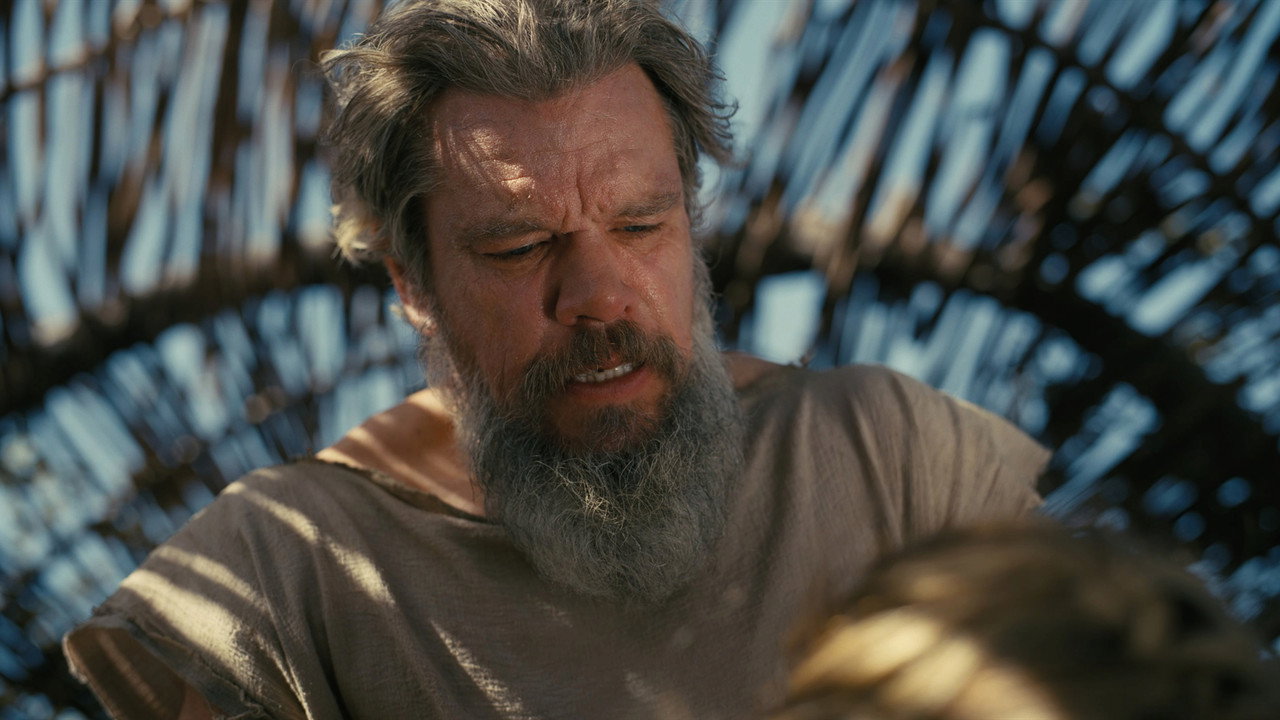
Odysseus's defining faculty is metis: cunning, adaptive intelligence, the ability to improvise a way through. The poem prices that gift with the most famous pun in Greek literature. To escape the Cyclops he names himself Outis, Nobody, and in Greek the phrase for "no one" sits one breath away from the word for cunning itself. His anonymity and his intelligence are nearly the same word. Self-erasure is not the opposite of his gift. It is his gift.
Then the poem shows the price running the other way. Rowing to safety, he cannot leave the victory unsigned; he shouts his real name across the water, and a curse requires an address. Poseidon gets the name, and the next ten years are the invoice. The meaning is not "be clever." It is that the self is an instrument: a mind that can set the self down can survive anything, and a mind that picks the self back up too early pays for it, usually in other people's lives. The full name-economy, from Outis to the child of wrath, is its own piece: what the names in The Odyssey mean.
Third: the horse, the loom, and the bed
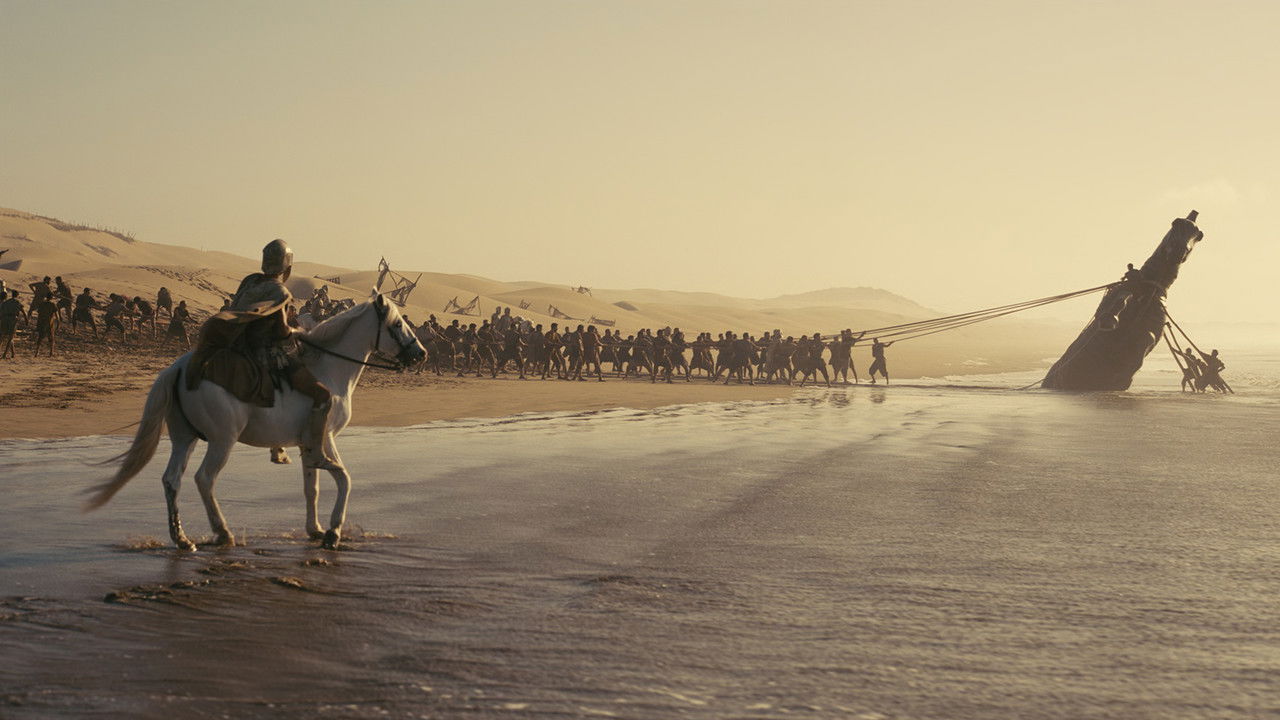
Here is a reading we have not seen elsewhere, offered as ours. The story is framed by three works of craft, and together they run its moral arc. The wooden horse is craft used for deception: built by Epeius, authored by Odysseus, and paid for by a city. Penelope's loom is craft used for delay: a shroud woven by day and unwoven by night, the only weapon a besieged household has, and she holds the line with it for years. And the marriage bed is craft used for fidelity: Odysseus built it around a living olive tree, rooted into the earth of the house, so it cannot be moved without destroying what it is. Deception, delay, fidelity. The story travels from what cunning can take to what only faithfulness can keep, and it hands the final test not to a sword but to a piece of furniture that cannot lie.
The story travels from what cunning can take to what only faithfulness can keep.
Fourth: what breaks, and what carries
Read at its widest, the poem is a story about a broken world, and our reading is that three orders break in it while a fourth carries the remains. The material order breaks: cities burn, fleets sink, a household is eaten from the inside by men who will not leave. The covenant order breaks: hospitality, the sacred guest-law the Greeks called xenia, is violated in nearly every episode, by monsters who eat guests and by suitors who devour a host. And the interior order breaks: the man who comes home is not the man who left, and the poem is honest that no landing on a beach repairs that. What carries is the fourth thing: the story itself. Sung by bards, told by survivors, narrated by Odysseus to strangers he needs a ship from. Not a perfect archive. An adaptive vessel. The order of memory is what survives the dark, and the poem knows it is itself the proof.
Which opens onto the largest claim. One man finds his island. A people still has to find its law. The homecoming the poem stages in a single household, the world it depicts still owes itself: a return to guest-law, to recognition, to houses that receive what comes back from war. That is the larger nostos, and it is the reason a 2,700-year-old poem reads like news.
What the poem asks of you
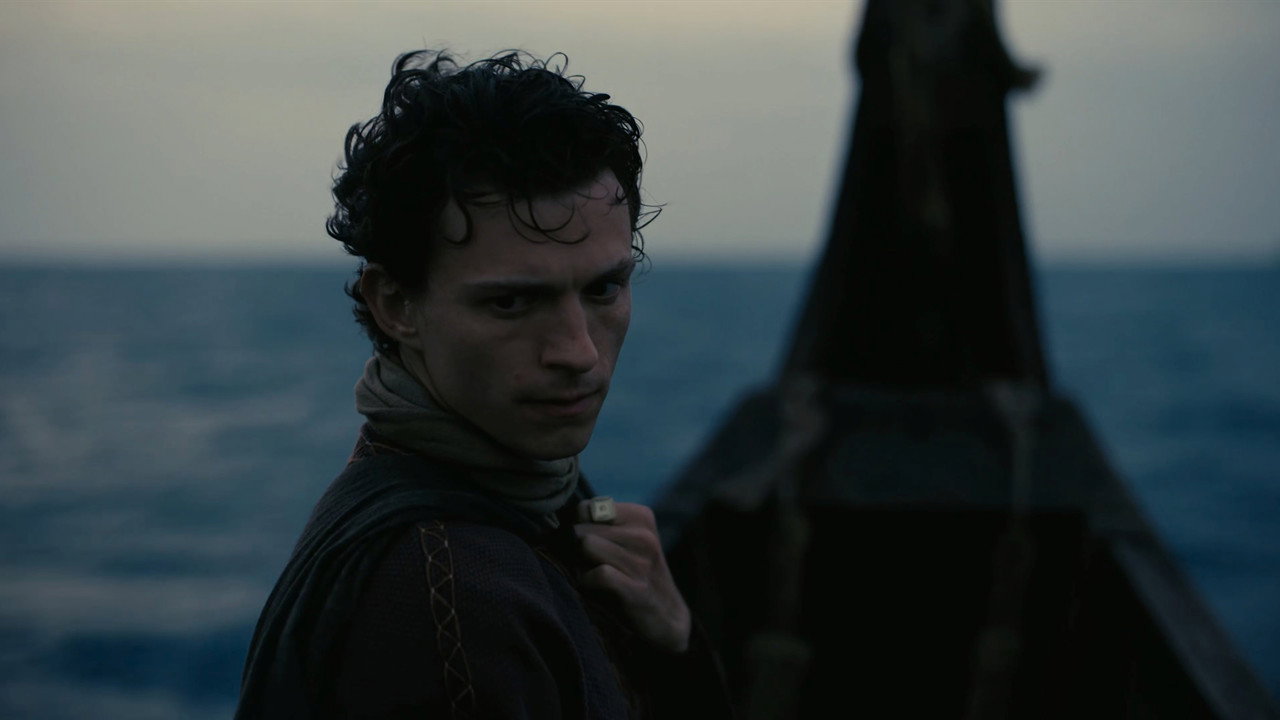
Every reading above converges on one sentence, and it is the poem's real answer to the question in this page's title. Being worthy of what you come home to means paying what home costs. Odysseus pays in years, in crews, in the name he spent and the anonymity he endured. Penelope pays in nightly unweaving, in held ground, in tests she administers because trust must be earned back rather than announced. Telemachus pays by growing up inside an absence and then standing in the hall anyway. The poem does not sentimentalize the return; it prices it. That is what it means, and it is why the story has outlived every empire that recited it.
And the film?
Nolan has said he wanted Homer's story to feel fresh for modern audiences, calling the poem earthy, grounded, and accessible, and the translation he has quoted when discussing the character is Emily Wilson's. The press spent opening weekend cataloguing what the film keeps, cuts, and changes. Cataloguing is the easy half. What the changes mean, whether the film's homecoming carries the poem's weight, and what the whole thing earns on a published 0 to 200 methodology is the harder half. Our scored review answers it after two viewings in two formats: What the Horse Broke.
Quick answers
Odysseus restores his house but does not reclaim the throne. Telemachus becomes king of Ithaca, while Odysseus and Penelope sail west together to honor the dead he owes. The ending turns homecoming from possession into restitution.
The film's moral answer is that they are the returning Greeks themselves, victors seen from another shore. The reveal makes the heroes of one story the feared raiders of another.
He leaves because restoring the house does not settle the debt created by Troy and the voyage. He sails west with Penelope to honor the dead rather than treating victory as permission to possess the home again.
Telemachus inherits Ithaca. The son receives the kingdom, while the father accepts that the debt attached to his return cannot be handed to the next generation.
In modern English an odyssey is a long, eventful journey. The word comes from Homer's poem and its hero Odysseus, whose ten-year return from the Trojan War gave every later wandering its name. If you searched this during the film's release, you probably wanted more than the noun, and the rest of this page is about the poem and the film.
That coming home is harder than surviving, and that it must be earned rather than merely reached. The poem's word for it is nostos, homecoming. Odysseus turns down immortality to return to a mortal wife, a son, and a bed he built himself, and the poem spends as much time testing whether home can receive him as it spends on the monsters.
His defining faculty is metis, adaptive cunning, and the poem prices it. To use it he becomes Nobody in the Cyclops's cave, and the one time he reclaims his name too early, the boast buys a ten-year curse. His intelligence and his anonymity are, in Greek, nearly the same word: the mind that survives is the self he can set down and take back up.
Read together, the story's three works of craft carry its moral arc: the wooden horse is craft used for deception, Penelope's loom is craft used for delay and protection, and the marriage bed, built into a living olive tree, is craft used for fidelity. In our reading, the story moves from what cunning can take to what only faithfulness can keep.
The Odyssey scores 183 / 200 on TVI's published methodology, in the Masterclass tier. Nolan has said he wanted Homer's story to feel fresh for modern audiences, calling the poem earthy, grounded, and accessible; the translation he has quoted when discussing the character is Emily Wilson's. The press spent opening weekend cataloguing what the film changes; what those changes mean is the harder question, and it is the one the scored review answers.
All readings of the poem on this page are the author's, grounded in the text: the horse's builder is Epeius (Odyssey 8.493) with Odysseus as author of the stratagem; the Outis episode and its wordplay are in Book 9; the bed test is in Book 23. The three-works-of-craft and what-breaks readings are TVI's own synthesis and are labeled as such. Nolan's statement on making the story feel fresh for modern audiences is from his interview coverage in The Hollywood Reporter; his citation of Emily Wilson's translation and its opening line is from his interview with Empire. No film dialogue is quoted. The 183 / 200 score links to TVI's final scored review and title-page record.
Carry the whole argument home.
Get the designed one-page map of the horse, the loom, the rooted bed, and the return, plus all five discussion questions.
About the author
Jordan Robinson, MD, MPH is the founder of TV Intelligentsia. He is a plastic surgery fellow at Vanderbilt University Medical Center and a U.S. Navy officer in the Individual Ready Reserve. He writes about film and television through the lens of medicine, military service, and decision-making under uncertainty. Views expressed are his own and do not reflect the official position of the U.S. Navy or the Department of Defense.
About TV Intelligentsia
TV Intelligentsia is an independent credibility layer for what to watch. We score films and television on a public methodology grounded in cognitive science, developmental psychology, and media-effects research. Editorial scores are not for sale. Find us at tvintelligentsia.com.
Film: The Odyssey (2026), directed by Christopher Nolan, distributed by Universal Pictures, in theaters from July 17, 2026. Stills from The Odyssey (2026), Universal Pictures, used for commentary. All readings of the poem are the author's; TVI syntheses are labeled as such in the text. The scored review is published separately at tvintelligentsia.com/reviews/the-odyssey. Published July 18, 2026 at tvintelligentsia.com/reviews/the-odyssey-meaning.