Is The Odyssey Worth Watching?
The final two-viewing verdict: who should go, what format matters, and who should stay home
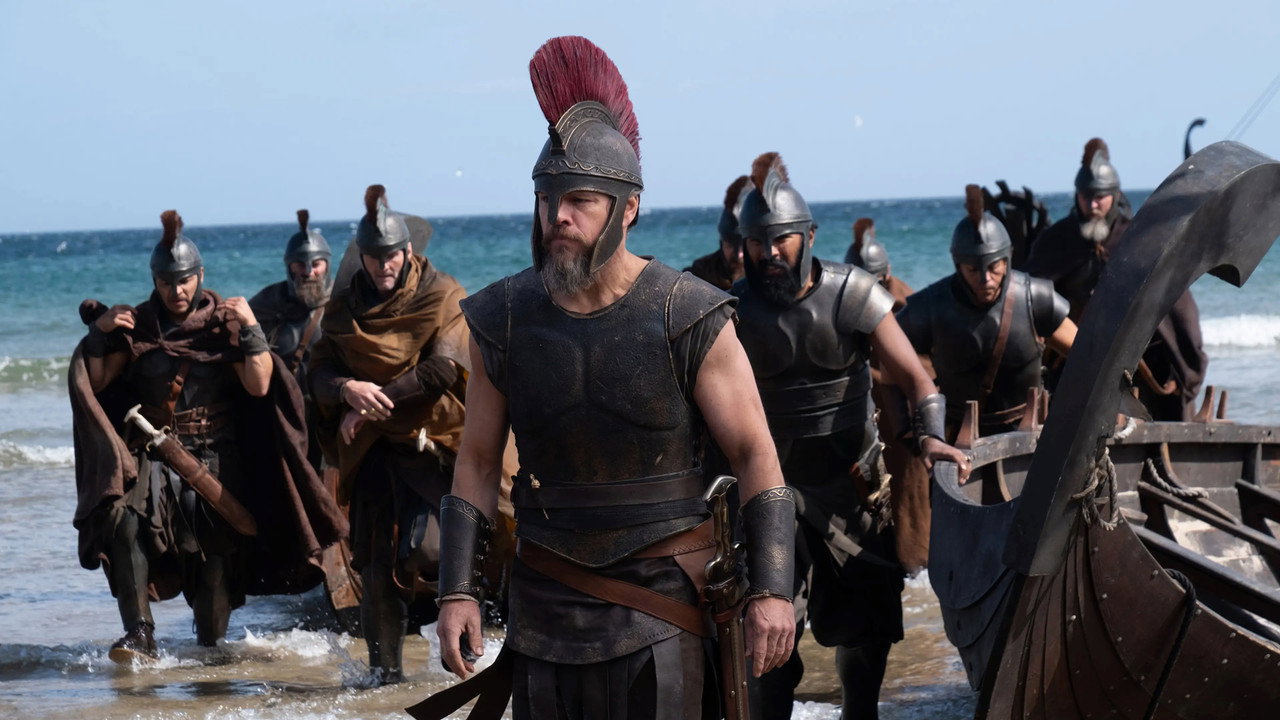
The Odyssey is worth watching. After two theatrical viewings, TVI scores it 183 / 200, Masterclass. It earns a theater, but it does not require a premium format: the standard presentation carries the structure, performances, and meaning, while IMAX 70mm adds physical sound and scale when the seat is good. It is rated R for sustained close combat and is not a film for young children.
The first viewing was in a standard theater, before any score existed, and it established one thing the second viewing only strengthened: this is the rare spectacle that is actually about something, and the something is not the monsters.
The film is built on the poem's real subject, which is homecoming, and on a harder idea underneath it: that a man who survives a war has to become worthy of the home he is returning to, and that the return is its own ordeal. Fighting the war meant fighting other people. Coming back means fighting what the war left inside him. That is the current running under the whole film, and it is why the wanderings land as more than a highlight reel of creatures. Each one is a test of the same set of human faculties, cunning, patience, restraint, and the judgment of a man responsible for other lives, against circumstances built to overwhelm exactly those faculties. Odysseus has no superpowers here. He has a mind, and the film is honest about what using it costs.
What lands first
The immersion is the first thing you feel, and it does not wait for the biggest format to arrive. Even on a standard screen, the sea sequences and the encounters put you inside the danger rather than in front of it. There is a real, physical unease to the moments the film wants to be frightening, and it is earned by staging and sound rather than by volume.
The sound is where the craft announced itself to me. Composer Ludwig Goransson built the score around bronze, aulos, and lyre rather than an orchestra, and at one point a rising musical phrase resolves onto an action on screen with a precision you feel before you can explain it: the final note of the phrase is completed by a physical event, and then the scene breaks open. That is score used as architecture, not decoration, and it is the kind of choice that rewards attention in any theater with a competent mix.
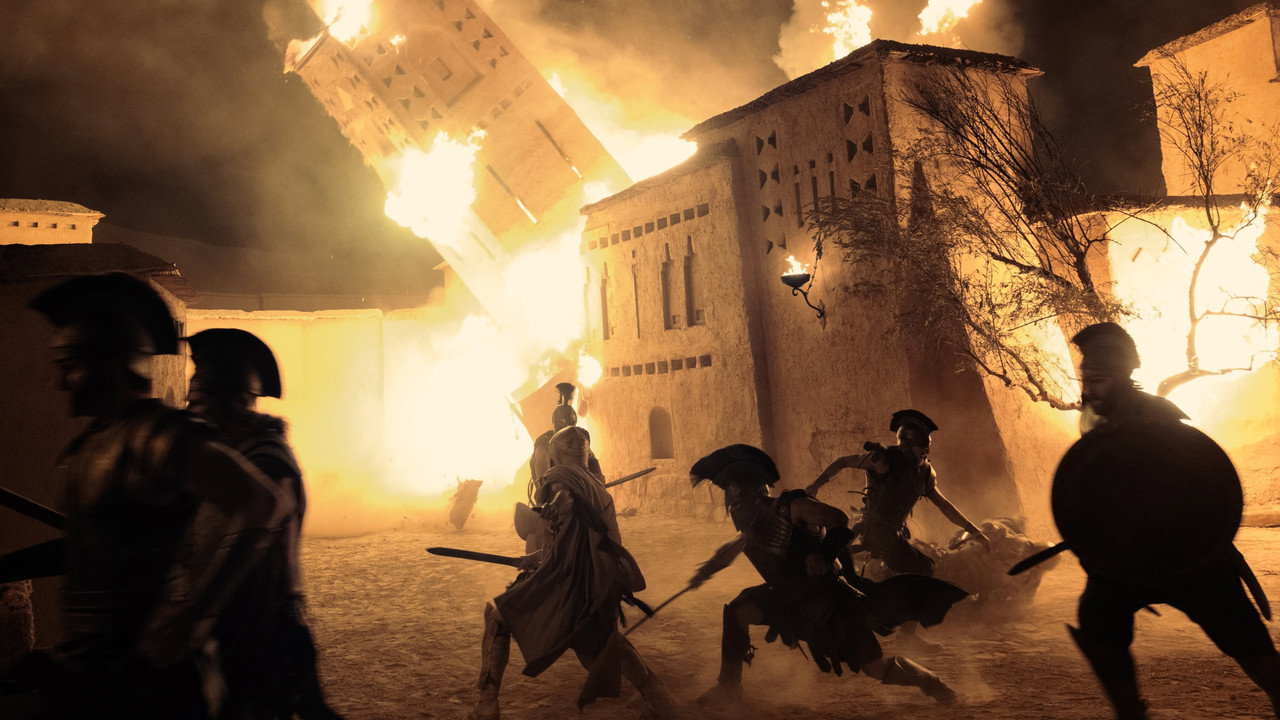
This is the rare spectacle that is actually about something, and the something is not the monsters.
And the scale is real without being empty. The film was shot entirely with IMAX film cameras, the first feature made that way, and the ambition shows in the frame rather than only in the marketing. Our companion format guide answers the question the marketing cannot: what the largest format changes, and what belongs to the film in any room.
Who it is for, and who it is not
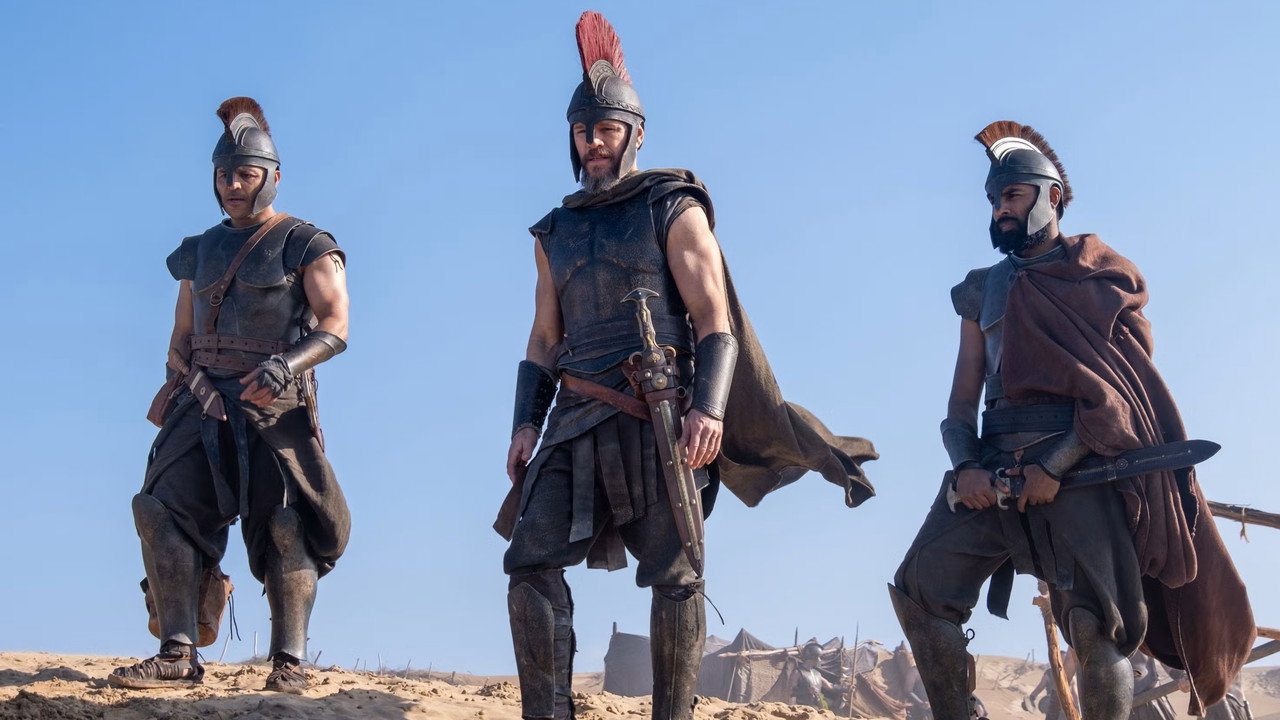
See it if you want a theatrical event that respects your intelligence, if you care about filmmaking at the highest level of craft, or if you have any affection for the source and want to know whether a modern epic can carry it. See it on the largest screen you can get to; the film was composed for size, and a bigger frame is closer to the intended object. Our format guide breaks down which screens are which, and how to find true IMAX 70mm.
Do not bring young children. The R rating is earned by sustained close combat with bladed weapons, and it is not a family film despite the familiar story. Parents weighing it for an older child or teenager can read our separate age-and-content guide, which treats the rating and the intensity specifically.
What the second viewing settled
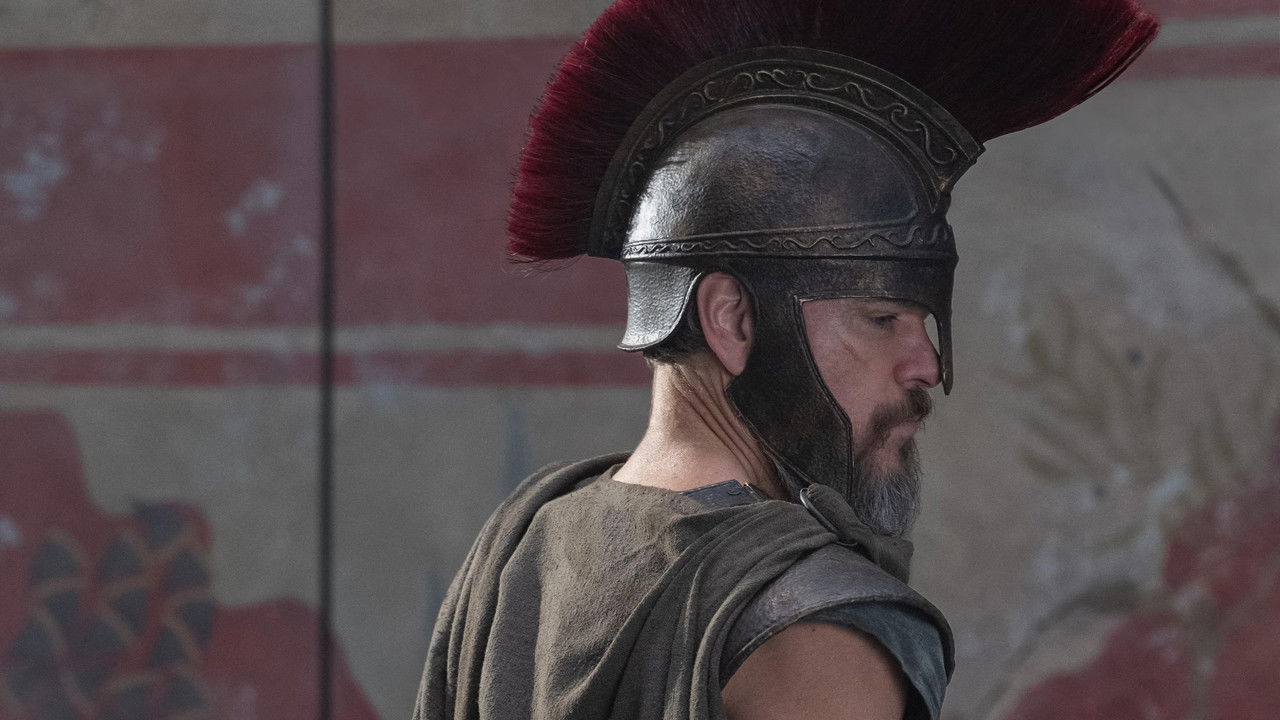
A first impression is real, but it is not a score. The second viewing tested the thesis above against the scenes that resist it, weighed the film's coolness as both distance and subject, and recorded all three methodology dimensions independently. The result is Cognitive Stimulation 46, Educational Value 43, and Craft & Quality 49: 183 / 200, Masterclass. The structure held, the performances deepened, and the craft nearly reached the ceiling of the scale.
The format question settled too. The standard room carried most of what the film does. True IMAX 70mm with a good seat makes the sea, the bow, and the score physically larger, but it does not make the argument more legible. If the choice is a poor IMAX seat or a good standard one, take the good seat. Do not miss the film because the premium run sold out.
Quick answers
The Odyssey is worth watching, especially for anyone who cares about ambitious filmmaking. After two theatrical viewings, TVI scores it 183 / 200, in the Masterclass tier. It earns a theater, but the standard presentation carries the structure, performances, and meaning; premium IMAX adds physical sound and scale when the seat is good.
IMAX 70mm film is the version it was composed for, but seat position matters more than the badge on the door. A center seat far enough back in true IMAX 70mm gives you the full frame and the strongest sound. A good standard seat is better than a bad IMAX one, and the film's structure and meaning survive every format. Our full format guide compares them.
It runs just under three hours and is rated R for violence and some language. It opened in theaters July 17, 2026. The R is earned by sustained close combat, so it is not a film for young children; parents can read our separate age-and-content guide.
No. The setup is simple: Odysseus won the Trojan War, then spent ten years trying to get home. The film works without prior reading. If you want the background, read what the story means, what its names encode, and the full scored review.
Production facts verified against official IMAX and Universal materials and Associated Press reporting: runtime just under three hours, rated R, first feature shot entirely with IMAX film cameras, score by Ludwig Goransson built on bronze, aulos, and lyre with a four-note theme completed by a bow pluck. The critical assessment is the author's own, from a standard-format viewing on July 16 and an IMAX 70mm viewing on July 18, 2026. The 183 / 200 score was recorded after the second viewing against the published methodology. No film dialogue is quoted.
Get the next decision before ticket night.
One scored recommendation, one deeper argument, and the clearest route to what is worth your time.
About the author
Jordan Robinson, MD, MPH is the founder of TV Intelligentsia. He is a plastic surgery fellow at Vanderbilt University Medical Center and a U.S. Navy officer in the Individual Ready Reserve. He writes about film and television through the lens of medicine, military service, and decision-making under uncertainty. Views expressed are his own and do not reflect the official position of the U.S. Navy or the Department of Defense.
About TV Intelligentsia
TV Intelligentsia is an independent credibility layer for what to watch. We score films and television on a public methodology grounded in cognitive science, developmental psychology, and media-effects research. Editorial scores are not for sale. Find us at tvintelligentsia.com.
Film: The Odyssey (2026), directed by Christopher Nolan, distributed by Universal Pictures, in theaters from July 17, 2026. Stills from The Odyssey (2026), Universal Pictures, used for commentary. This verdict reflects a standard-format viewing on July 16 and an IMAX 70mm viewing on July 18, 2026. The final score is 183 / 200 on TVI's published methodology. Published July 18, 2026 and updated July 19, 2026 at tvintelligentsia.com/worth-watching/is-the-odyssey-worth-watching.