What the Names in The Odyssey Mean
The child of wrath and the man called Nobody: in Homer, a name is not a label. It is a verdict delivered in advance.
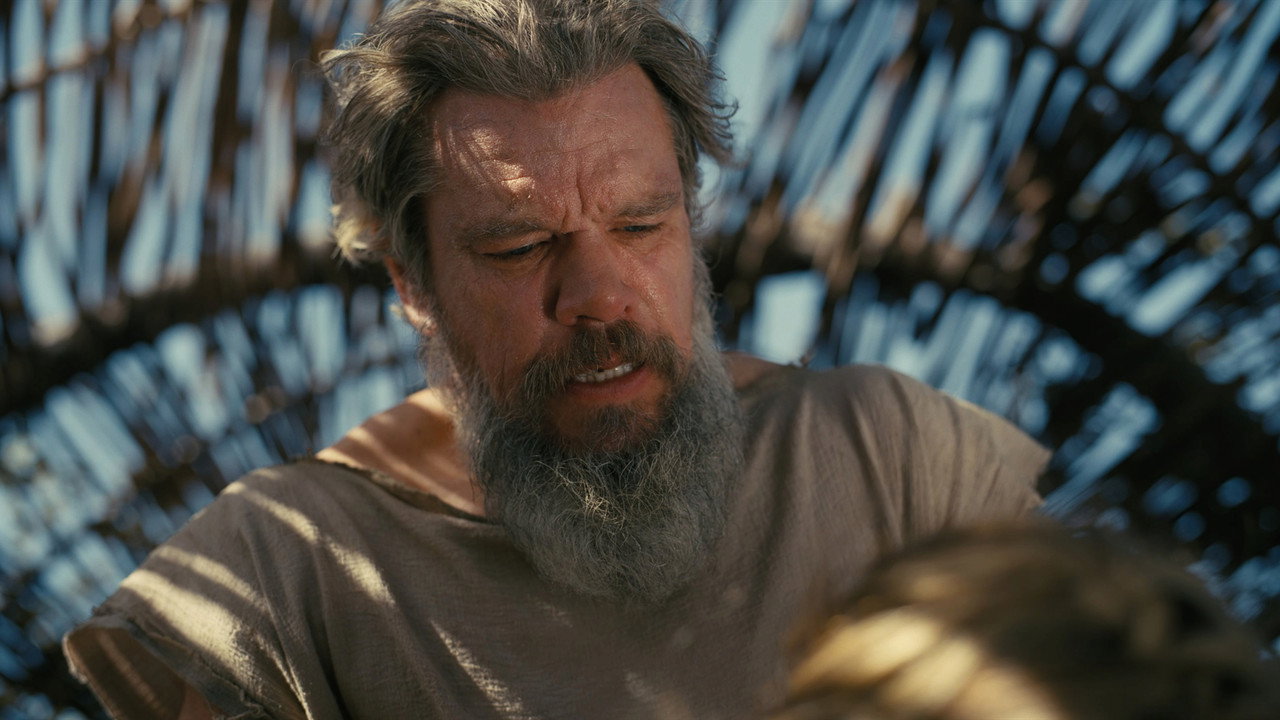
Odysseus tells the Cyclops his name is Nobody because the Greek word he uses, Outis, hides a pun: it sounds one breath away from metis, cunning intelligence, his defining trait. His own name derives, in the poem's telling, from a verb of wrath. Penelope, Telemachus, Calypso, Antinous, and Mentor each carry a verdict in their names too. Christopher Nolan has said the Nobody wordplay did not translate into modern dialogue, so the film handles the moment its own way. The etymologies below are verified, with the honest caveats attached.
Homer's Odyssey runs a quiet economy underneath its monsters, and the currency is names. A man survives the Cyclops by spending his own name down to nothing, buying his life with self-erasure. The same man cannot resist reclaiming the name an hour too early, and the reclaimed name is what the curse gets mailed to. And the object that ends the story's testing is the one thing on Ithaca that answers to no name at all: the bed, known not by what it is called but by who built it and where it cannot be moved.
Christopher Nolan's film inherits this poem, and the names are already doing the story's work before any camera turns on. To read either one properly you need the etymologies, and one correction the tradition constantly blurs.
The correction first. The famous version of the Sinon story, the Greek volunteer left behind to lie the wooden horse through Troy's gates, belongs to Virgil, Aeneid Book 2, written seven centuries after Homer. The Odyssey never stages it. The poem's horse arrives only in retrospect, sung by bards, and its labor is divided with a precision worth holding onto: Epeius builds the horse (Odyssey 8.493), Odysseus authors the stratagem that fills it. A film Sinon, where one appears, is an invention riffing on the Virgilian tradition, not a recovered Homeric scene. Knowing which tradition a name comes from is part of knowing what it means.
Why does Odysseus say his name is Nobody?
Start with the most famous pun in Greek literature.
Trapped in the Cyclops's cave, Odysseus tells Polyphemus his name is Outis: in Greek, ou plus tis, "not anyone." Nobody. When the blinded giant screams for help, his neighbors call through the rock to ask who is attacking him, and their question takes the grammatical form Greek requires: me tis, "surely no one?" Polyphemus answers that Nobody is killing him, and the neighbors go home satisfied that nothing is wrong.
Here is the layer beneath the trick. Spoken aloud, me tis is one breath away from metis: cunning intelligence, the adaptive, improvising faculty that is Odysseus's defining trait in the entire Greek imagination. Homer closes the loop himself at 9.414, where Odysseus exults that his name and his flawless metis deceived the monster. Name and mind, in one line, one sound apart. His anonymity and his intelligence are all but the same word.
That is not decoration. It is the poem's thesis in miniature. This Odysseus has no divine strength and no enchanted weapons. Every escape runs on the mind. The pun says the quiet part: the man survives by intelligence, and the price of that intelligence is that he must become no one to use it. Self-erasure is not the opposite of his gift. It is his gift.
Homer then adds the dark sequel. Rowing away, Odysseus cannot leave the victory anonymous. He shouts his real name across the water, and the name is exactly what Polyphemus needs: a curse requires an address. Poseidon gets the name, and the next ten years are the invoice. The man who was wise enough to become Nobody was not yet wise enough to stay Nobody one hour longer. The name reclaimed too soon costs him everything the rest of the story must win back.
Watch the accounting inside the trick, because it is a leadership structure before it is wordplay. Only Odysseus un-names himself; his men stay individuals, and in the cave, at the worst of it, he shows no concern for his self at all. The credit-need arrives only in safety. And when the name comes back, the bill does not go to the man who reclaimed it. The humility was his own. The pride is charged to the crew, who pay Poseidon storm by storm. The horse worked because no one signed it. The boast is a signature. Homer even supplies the counter-case: Elpenor, the crewman who becomes nobody the involuntary way, whose one plea from the underworld is an oar planted over his grave so he is not forgotten (Odyssey 11). Odysseus plays Nobody and returns. Elpenor becomes nobody and begs for a marker. Only a self you still command can be set down and taken back up.
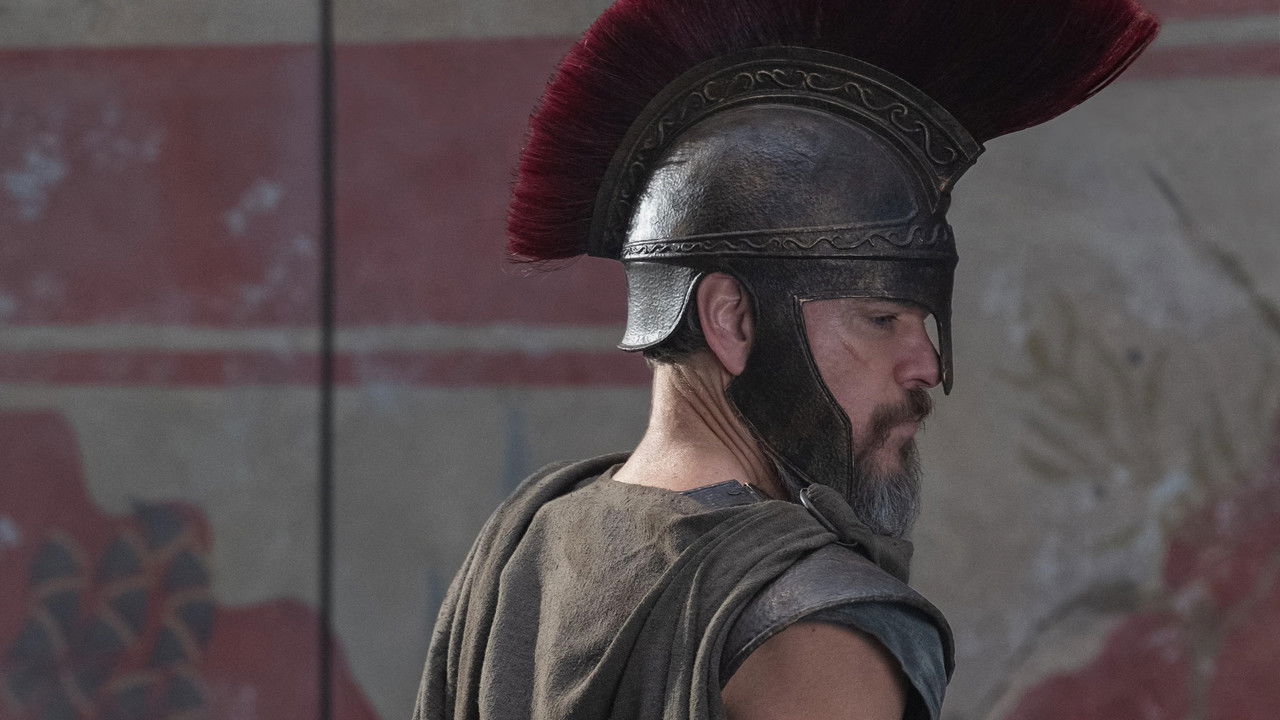
Self-erasure is not the opposite of his gift. It is his gift.
And the film? Nolan has said the Outis wordplay did not survive into modern dialogue, a cut he described in an interview covered by The Hollywood Reporter: the pun works in Greek, and in Greek only. So the most famous trick in the poem does not reach the screen intact. Our scored review examines what that loss buys and costs within the film's larger argument.
What does the name Odysseus mean?
The poem answers this question itself, in the scene where the story's whole recognition machinery originates.
In Book 19, the disguised Odysseus sits in his own hall while the old nurse Eurycleia washes the feet of the beggar she does not know is her king. Her hand finds the scar above his knee, and the poem falls through the scar into memory: the boar hunt on Parnassus where the wound was made, and beneath that, further back, the same household visit where the infant was named. His grandfather Autolycus, asked to name the child, says that he has come here angered at many, men and women alike, across the earth, and so the boy should be called Odysseus (19.407 to 409). The name derives from odyssomai: to be angered at, to receive and to deal wrath. The child of wrath.
Notice what Homer has done with the architecture. The scar and the name arrive in the same flashback, fetched by the same touch. The body and the name are one archive, written on the same visit, and recognition reads them together: Eurycleia knows the man by the mark, and the poem tells us who the man is by the naming. Identity, in the Odyssey, is not what you claim. It is what is written on you and what was said over you, and both records live in other people's memories.
Honesty requires the footnote. Modern linguists regard the odyssomai derivation as folk etymology; the name is probably pre-Greek, older than the language that explains it. But the derivation is the poem's own, staged deliberately at the moment of recognition, and for reading Homer that is the fact that matters. The poet wanted his hero's name to mean wrath received and given. The man of many turns is fixed, from infancy, by a verb of anger.
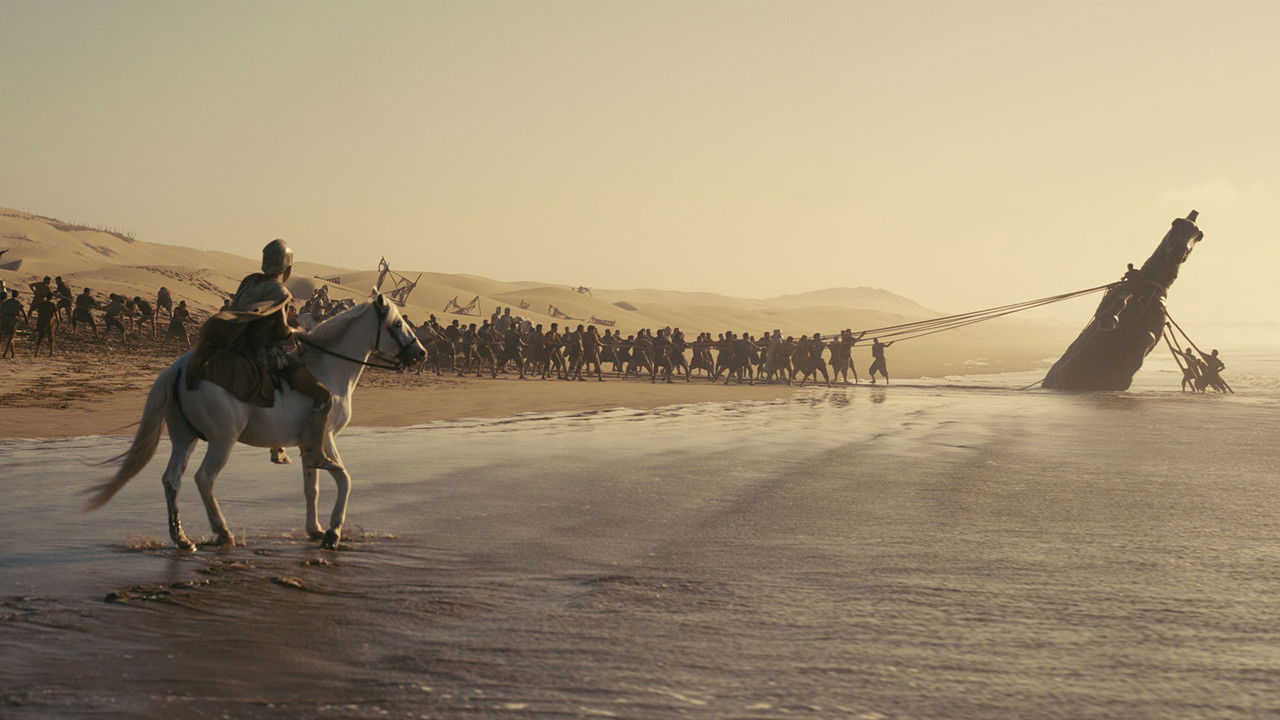
The supporting cast: a moral map written in names
Once you see the method, the rest of the cast resolves into a legend printed on the story's map.
Antinous, the lead suitor, reads as anti plus noos, against mind. The prefix is not always adversarial in Greek names, so this is the reading the character invites more than a settled etymology, but set the name against the hero's defining faculty and it is hard to unsee. Metis incarnate comes home to find his hall occupied by its negation. The suitors' failure is not bad luck. It is nominative: the man named against thought cannot recognize the thinking man in the beggar's rags, and dies first for it.
Telemachus is tele plus mache, and the compound reads two ways. The standard gloss is a fighter from afar. The older, sadder reading takes it as far from the battle: the son named for the war that took his father, a boy whose whole identity is an absence. The poem earns both readings in sequence. He spends twenty years far from his father's war, then ends the story fighting beside him in the hall. His name is a promise the epic keeps.
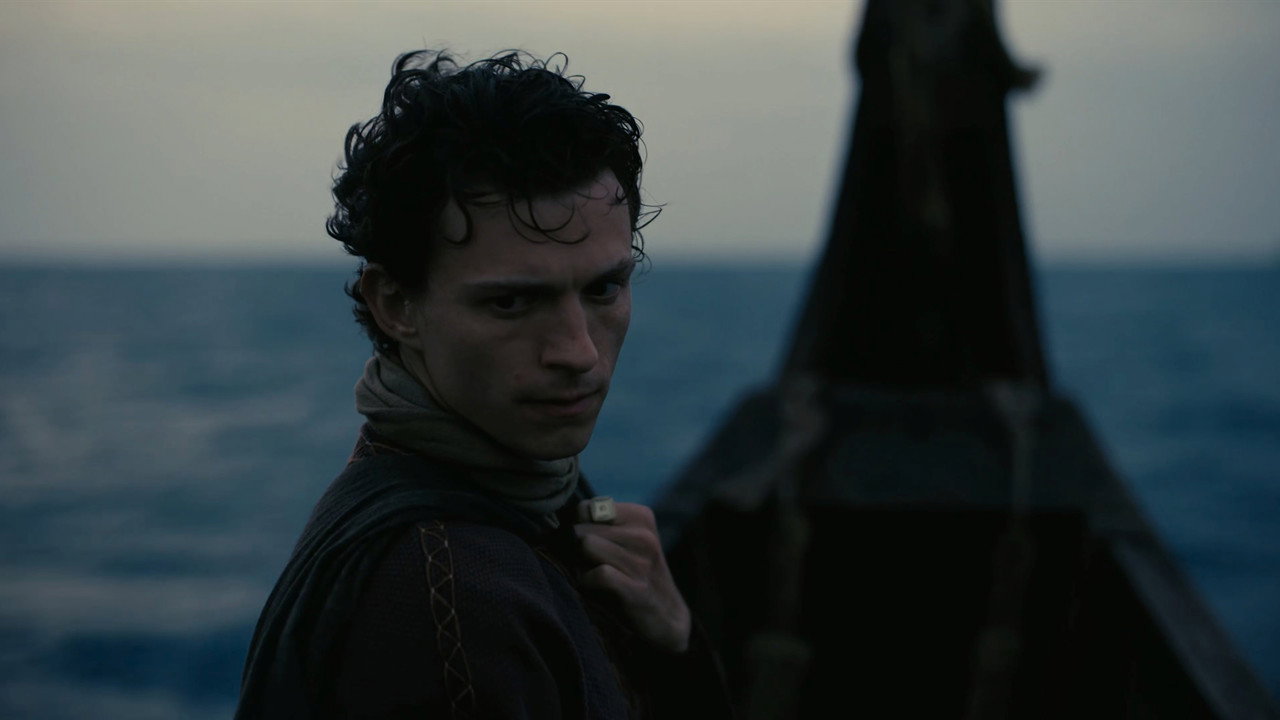
Calypso is the plainest verdict of all: from kalypto, to cover, to conceal. The Concealer. Concealment offered as mercy is still concealment. Her name knew that before she ever appeared on screen.
Mentor is the strangest survival. In Homer he is a minor Ithacan elder whose form Athena borrows to counsel Telemachus; his name sits on the root men-, to think. The character stayed minor for twenty-five centuries until Fenelon built his 1699 novel Les Aventures de Telemaque around the disguised goddess-as-teacher, the book swept Europe, and by 1750 the proper noun had become the common one in French and English alike. A name from an oral-age poem is now a job description in every modern workplace. It is the poem's transmission argument in a single word: what survives the dark is what gets retold.
Penelope, fittingly, refuses to resolve. Tradition ties her name to pene, the weft thread, the weaver's word, and the story of the loom makes the derivation almost irresistible. Linguists call it folk etymology and point instead to penelops, a kind of duck, with no certainty there either. Label it contested and notice the better fact: even if the loom was never in the name's origin, twenty-five centuries of readers wove it in. Reception is also a naming. The woman who unmade her weaving every night to hold a household together now carries the thread in her name whether the philologists approve or not.
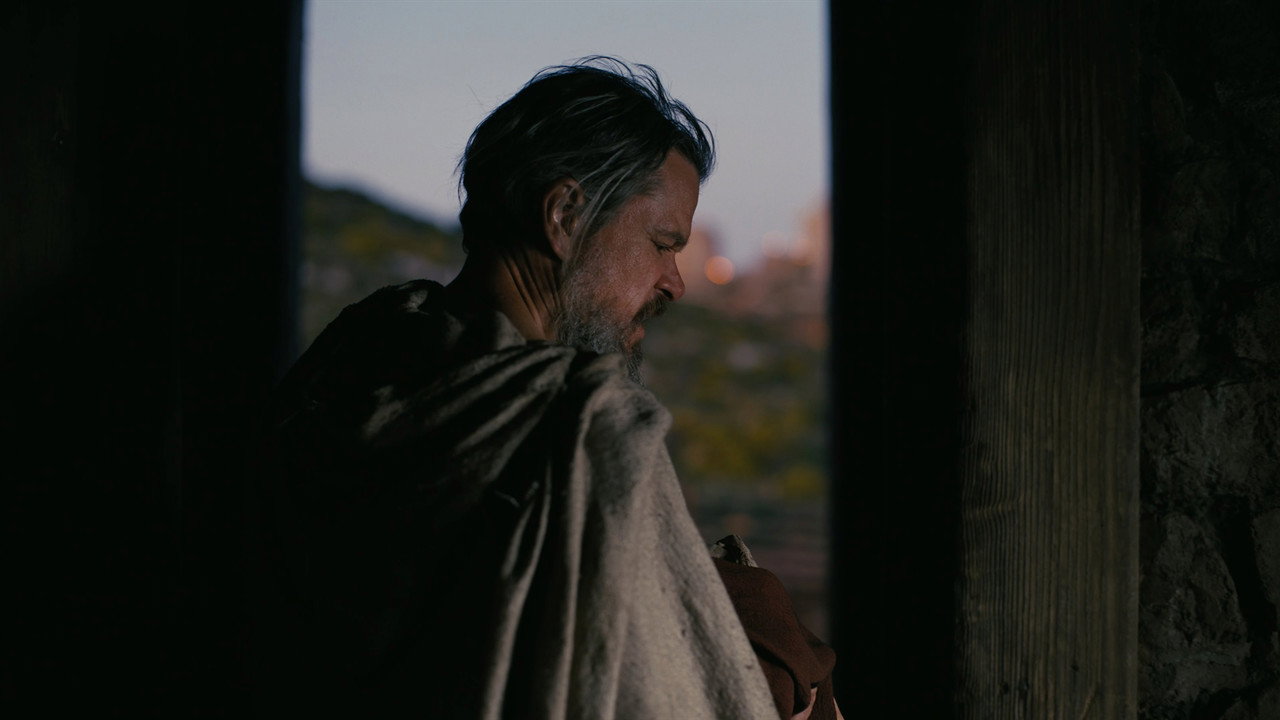
Nobody comes home
Which returns us to the poem's deepest design.
The man who unnamed himself to get out of the cave must be renamed to get into his house, and no proclamation can do it. Announcing the name is the one move that never works; announcing it is what bought the curse. So the poem hands the renaming to witnesses. The dog knows him before any person does. The nurse's hand finds the scar and the name that share a flashback. The bed will not move for any claim that is not true. And Penelope, the third intelligence in the marriage, decides when the evidence is sufficient. Our scored review follows the recognitions the film keeps, changes, and withholds.
Each recognition hands back a syllable of the name he spent in the cave. That is the reversal the whole structure has been building: Outis undone not by the man's own voice but by the things and people that hold his record. He said he was Nobody, and the world that knew him said otherwise, one witness at a time.
A man can say his name is Nobody. Only home can say it is not.
Quick answers
Trapped in the Cyclops's cave, Odysseus gives his name as Outis, Greek for not anyone. When the blinded Polyphemus screams that Nobody is attacking him, his neighbors go home satisfied nothing is wrong. Beneath the trick sits a pun: the neighbors' question, me tis, sounds one breath away from metis, the Greek word for cunning intelligence, which is Odysseus's defining trait. His anonymity and his intelligence are all but the same word.
The poem derives it from the verb odyssomai, to be angered at, to receive and to deal wrath: his grandfather Autolycus names the infant the child of wrath in Odyssey 19. Modern linguists treat that derivation as folk etymology over a likely pre-Greek name, but it is the poem's own explanation, staged at the moment of recognition.
Telemachus combines tele and mache, and reads two ways: a fighter from afar, or far from the battle, the son named for the war that took his father. The poem earns both readings: he spends twenty years far from his father's war, then ends the story fighting beside him.
Nolan has said the famous Outis wordplay did not translate into modern dialogue, a decision he described in an interview covered by The Hollywood Reporter, so the film handles the Cyclops episode its own way. TVI's final scored review examines what that loss buys and costs within the film's larger argument.
Etymologies checked against standard lexical entries (Odysseus, Antinous, Telemachus, Calypso, Penelope), the Theoi Classical Texts Library text of Odyssey 19, the Classical Anthology text of Odyssey 9.403 to 414, and the CAMWS paper "Nobody's Fool: Outis vs. Polyphemus in Odyssey, Book 9." The odyssomai derivation is presented as the poem's own with the modern folk-etymology caveat stated; Penelope is presented as contested. Sinon's deception is Virgil's (Aeneid Book 2), never Homer's; Epeius builds the horse (Od. 8.493). No film dialogue is quoted. The 183 / 200 score links to TVI's final scored review and title-page record.
Get the next deep read first.
One scored decision, one deeper argument, and the clearest route to what is worth your time.
About the author
Jordan Robinson, MD, MPH is the founder of TV Intelligentsia. He is a plastic surgery fellow at Vanderbilt University Medical Center and a U.S. Navy officer in the Individual Ready Reserve. He writes about film and television through the lens of medicine, military service, and decision-making under uncertainty. Views expressed are his own and do not reflect the official position of the U.S. Navy or the Department of Defense.
About TV Intelligentsia
TV Intelligentsia is an independent credibility layer for what to watch. We score films and television on a public methodology grounded in cognitive science, developmental psychology, and media-effects research. Editorial scores are not for sale. Find us at tvintelligentsia.com.
Film: The Odyssey (2026), directed by Christopher Nolan, distributed by Universal Pictures, in theaters from July 17, 2026. Stills from The Odyssey (2026), Universal Pictures, used for commentary. All readings of the poem are the author's, with etymologies verified as noted above. The scored review is published separately at tvintelligentsia.com/reviews/the-odyssey. Published July 18, 2026 at tvintelligentsia.com/reviews/the-odyssey-names.