Frampton: What Comes After the Peak
Rob Arthur’s affectionate portrait lets Peter Frampton’s music speak for itself, but moves too quickly through the years that changed him.
First impression, not a score. Any TVI score for this work follows its general release under the published methodology. Scores are not for sale.
Before the opening-night screening at the Nashville Film Festival, Peter Frampton promised the good, the bad, and the ugly. He explained that he had chosen Rob Arthur, his longtime collaborator, over a more established director because Arthur knew him best. That familiarity gives the film its easy warmth.
The music makes its own case. Arthur lets performances run long enough for us to hear what made Frampton exceptional rather than simply being told. I knew he was talented. I didn’t realize how famous he had been, or that “Baby, I Love Your Way,” a song I’ve known for years, was his.
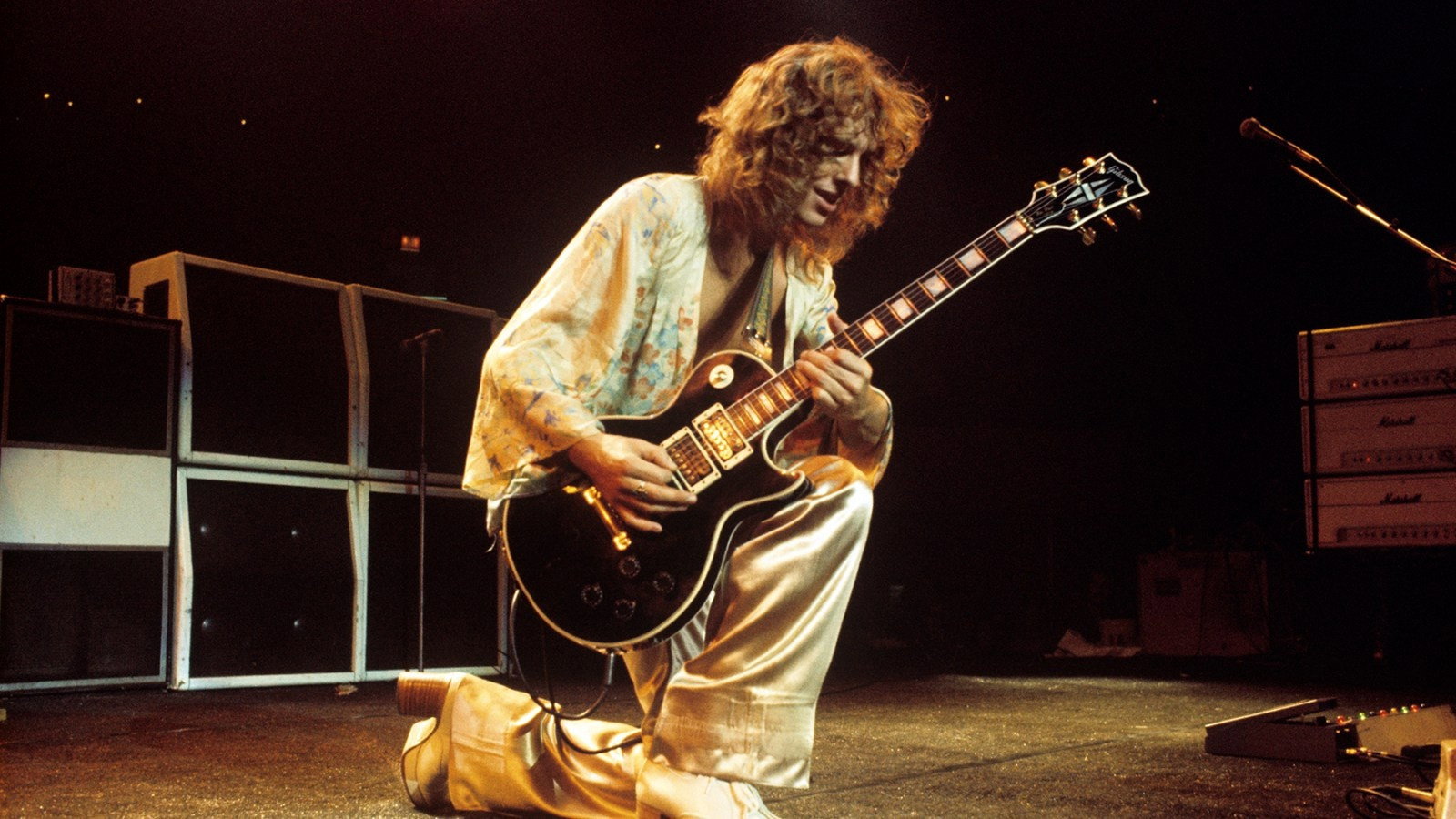
Frampton recalls being in a recording studio at fourteen. By the Herd’s third single, a magazine was calling him the face of 1968, and teenage girls were screaming through the shows. He didn’t want to be a teen idol, and his bandmates resented the attention. He helped form Humble Pie with Steve Marriott partly to be taken seriously as a musician, and the screaming followed him there too.
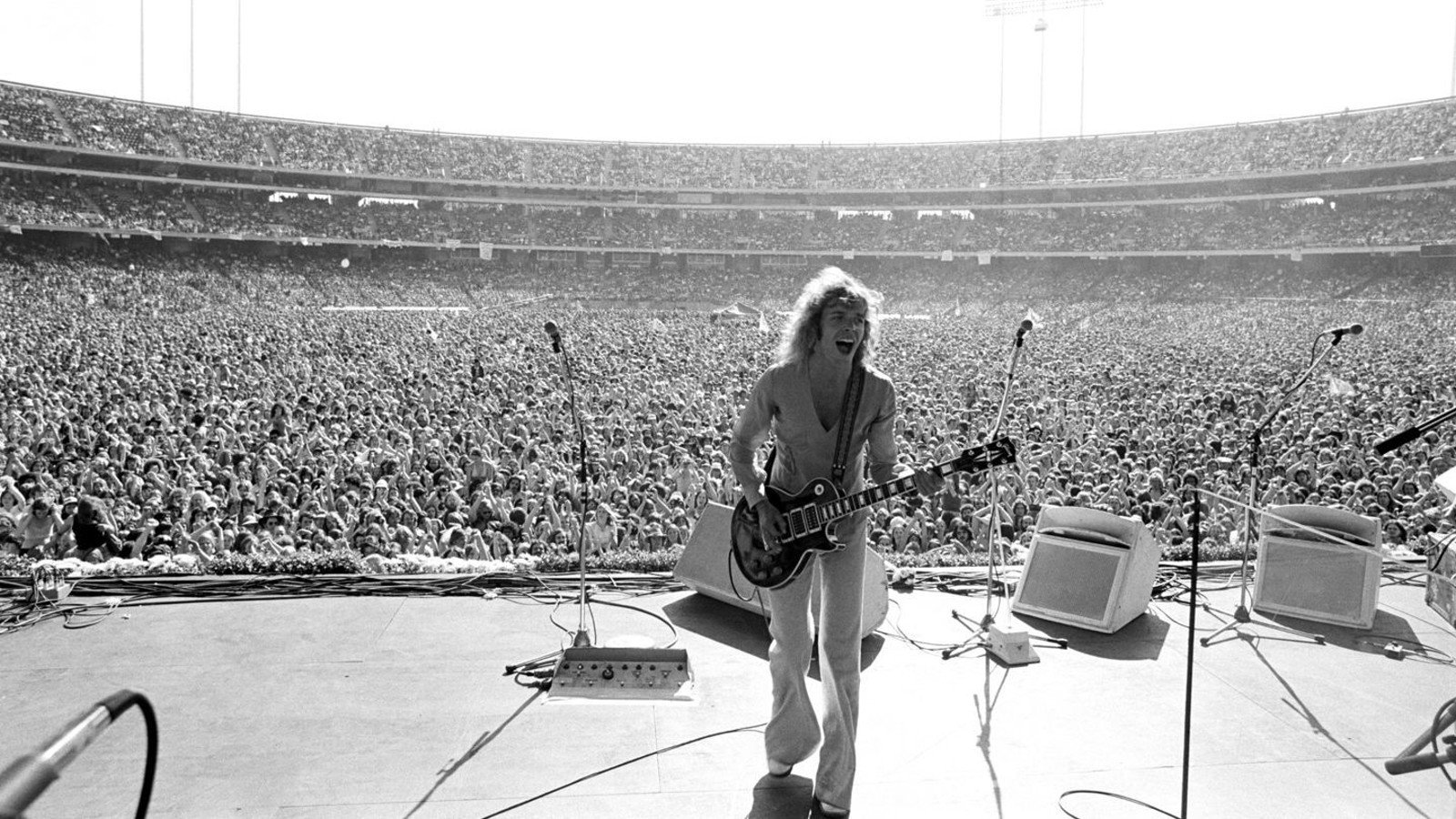
Then came Frampton Comes Alive! and a rise the film describes as a move from theaters to stadiums in about six months. In the footage, the stadiums are full to the last row. Frampton says he didn’t play the album’s solos the same way the night before they were recorded, or the night after. Improvising was the challenge and the pleasure, and he still describes it as a reason to tour: he would lose interest if every night meant repeating the record.
What followed interested me more than the ascent. The film describes management leaning back into the teen-idol image he had spent years escaping. Mary, his first wife, remembers missing him terribly as touring pulled them apart. She describes their breakup and his meeting someone else. Others give a harsher account of his later relationship with Penny, involving drug use and a lack of care for him, but her perspective is absent.
In 1978, he crashed his car in the Bahamas. He recalls multiple fractures, including a compound fracture of his right arm; Mary remembers his fear that he might never play again. During his recovery, he says, he discovered there was no money for the hospital bills and that people handling his finances had been taking it. His account of the collapse is as much about whom he trusted as the career he was losing.
A&M eventually released him. Then, Frampton recalls, Pete Townshend called with an idea: he wanted to stop touring, and wondered whether Frampton would take his place on the road with the Who. Frampton asked him to speak to the rest of the band first and call back. Weeks passed without that call. He remembers finally reaching Townshend and berating him for leaving him in uncertainty. An opportunity he had begun to count on had never become an agreement.
This is also where the film is thinnest. It acknowledges nearly all of this, which is why its speed frustrates. Frampton describes being stuck alone on a hotel floor because fans filled the lobby below. He acknowledges addiction and recalls borrowing money to live. The film covers the end of his marriage to Mary in just a few sentences. The admissions are there, but the film seldom stays with them long enough for their consequences to register. I didn’t need a deep dive into any of it. A little more directness and detail would have made these years more revealing, and the recovery that follows more substantial. The closeness between filmmaker and subject makes those quick departures especially noticeable.
The return begins with a friendship older than the fame. David Bowie, whose art teacher had been Frampton’s father, brings him onto Never Let Me Down and the 1987 Glass Spider tour. By the early 1990s, as Frampton tells it, he has his band back together and is playing again.
The family material carries the same tension between candor and brevity. When his son calls for help with a drug problem, Frampton arranges treatment. At family week, he says, he ended up apologizing to all of them for how he had treated them and for what he wished he had done differently. His children are forthright about his absence. One recalls not learning to ride a bike or drive with him, and not having him around for the ordinary things other children shared with their fathers. They make the losses specific; his own account stays general. What did he come to understand about his behavior, and what changed after he apologized? The film gives that realization considerable weight without asking enough about what it involved.
Then inclusion body myositis, a progressive muscle disease that often weakens the muscles that bend the fingers, changes his relationship to the instrument he says he measures everything by. He can still hear what he wants to play, but his fingers don’t always cooperate. He describes finding other ways to produce music, and even enjoying the creative challenge that process brings. The man who never wanted to repeat a solo is now improvising for reasons he didn’t choose. One of his children remembers a home video of Frampton helping them up the stairs as a small child. Now the help goes the other way.
Frampton says the long road back has been more gratifying than the rise, and the film makes that persuasive. There is something recognizable beyond fame in that movement: the intensity of youth giving way to a steadier sense of what makes a life worthwhile. His later years remain physically difficult, but playing, family, and friendship have become reason enough to value them. Arthur moves too quickly through some of what brought him there, but he still gives us a convincing portrait of a man who no longer needs his most celebrated years to have been his most satisfying. As Frampton put it before the screening: "You can never give up. That's my motto, and I'm sticking to it."
Seen at the 6:15 p.m. opening-night screening of the Nashville Film Festival at Regal Green Hills on September 24, 2026, introduced by Peter Frampton and Rob Arthur.
- First impressionWhere the Hell Is Anna? Knows How to Welcome You In
- First impressionSafe for the Whole Family Asks Who It Was Really Safe For
- First impressionLittle Hollywood, Tennessee: The People Who Help You Begin
- InterviewLittle Hollywood, Tennessee: A Runway to Fail
- First impressionMexican Delight: The Fear of Wanting
- InterviewTaylor Dupuis on Why Anna Wants to Stay
- First impressionYour Mother Your Mother Your Mother Finds Its Way Home
- Field dispatchThe Art of Saying Yes: John Papsidera at the Nashville Film Festival
- First impressionJackrabbit Knows the Value of a Good Liar
- First impressionThe Company You Keep: Seven Shorts from the Nashville Film Festival
- Field dispatchSongs from the Circle at the Nashville Film Festival
- The full festival guide