Little Hollywood, Tennessee: The People Who Help You Begin
Christian Whittemore returns to the filmmaking program that shaped him and discovers that helping someone else begin is an education of its own.
First impression, not a score. Any TVI score for this work follows its general release under the published methodology. Scores are not for sale.
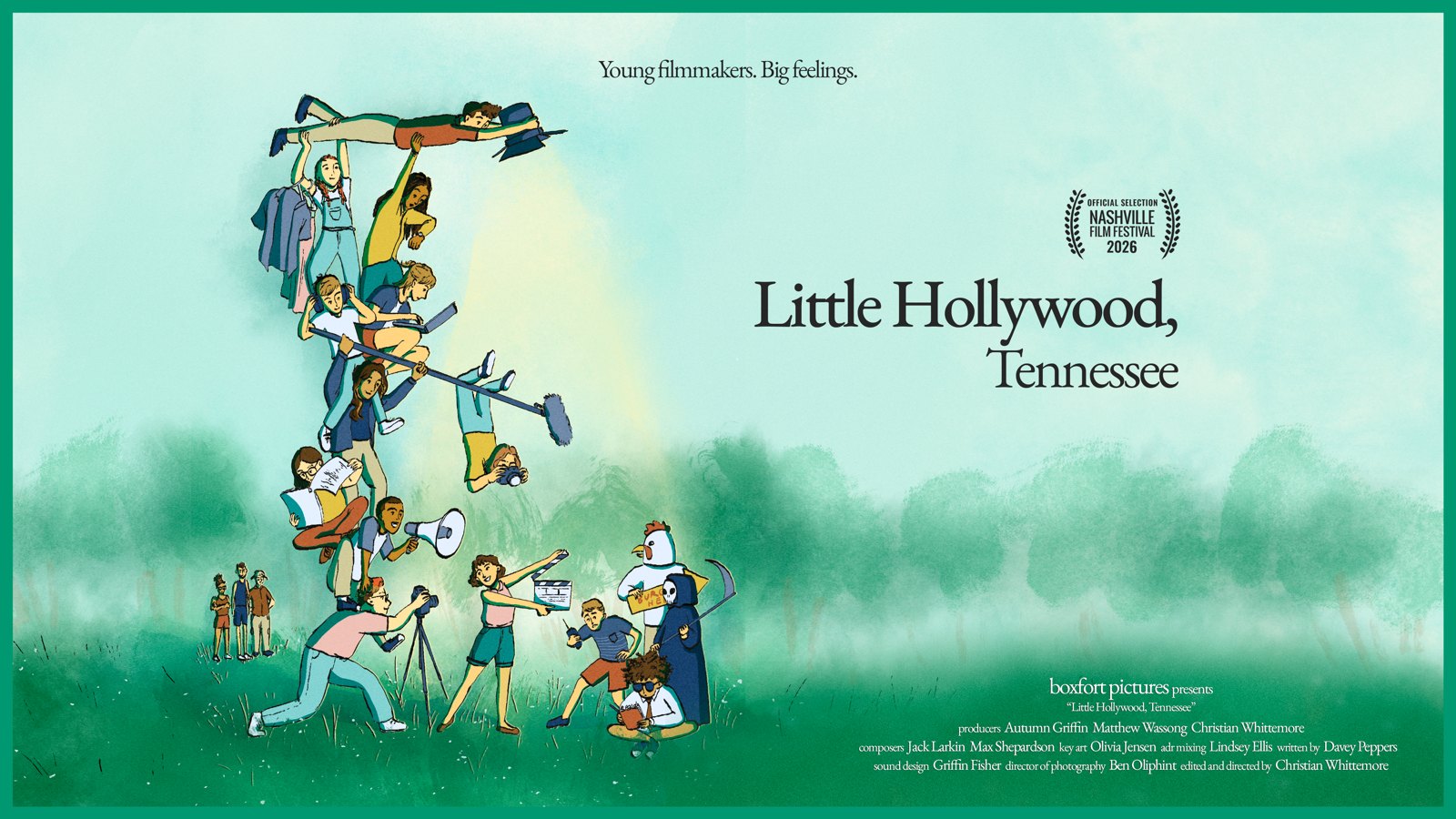
The students have come to make films. The adults are trying, with varying confidence, not to make the films for them.
Between those two intentions lies much of Little Hollywood, Tennessee: the difficulty of telling someone the truth about their work without extinguishing their desire to continue; the discomfort of discovering that an idea improves when other people change it; the extraordinary relief of finding people willing to help something exist.
Christian Whittemore follows twenty-four teenagers through Tennessee's Governor's School for the Arts, the summer program he attended himself. His former instructors are familiar company. The students are another matter. His goal is to capture the magic of the program that has so powerfully influenced his life. To do so, the students need to be comfortable enough to forget the distance between themselves and the documentary crew. When the students offer pizza, the filmmakers stop standing apart and accept a slice. It is a small choice, but it announces the kind of film this will be: close enough to join in, and eventually close enough to ponder the consequences of their inclusion.
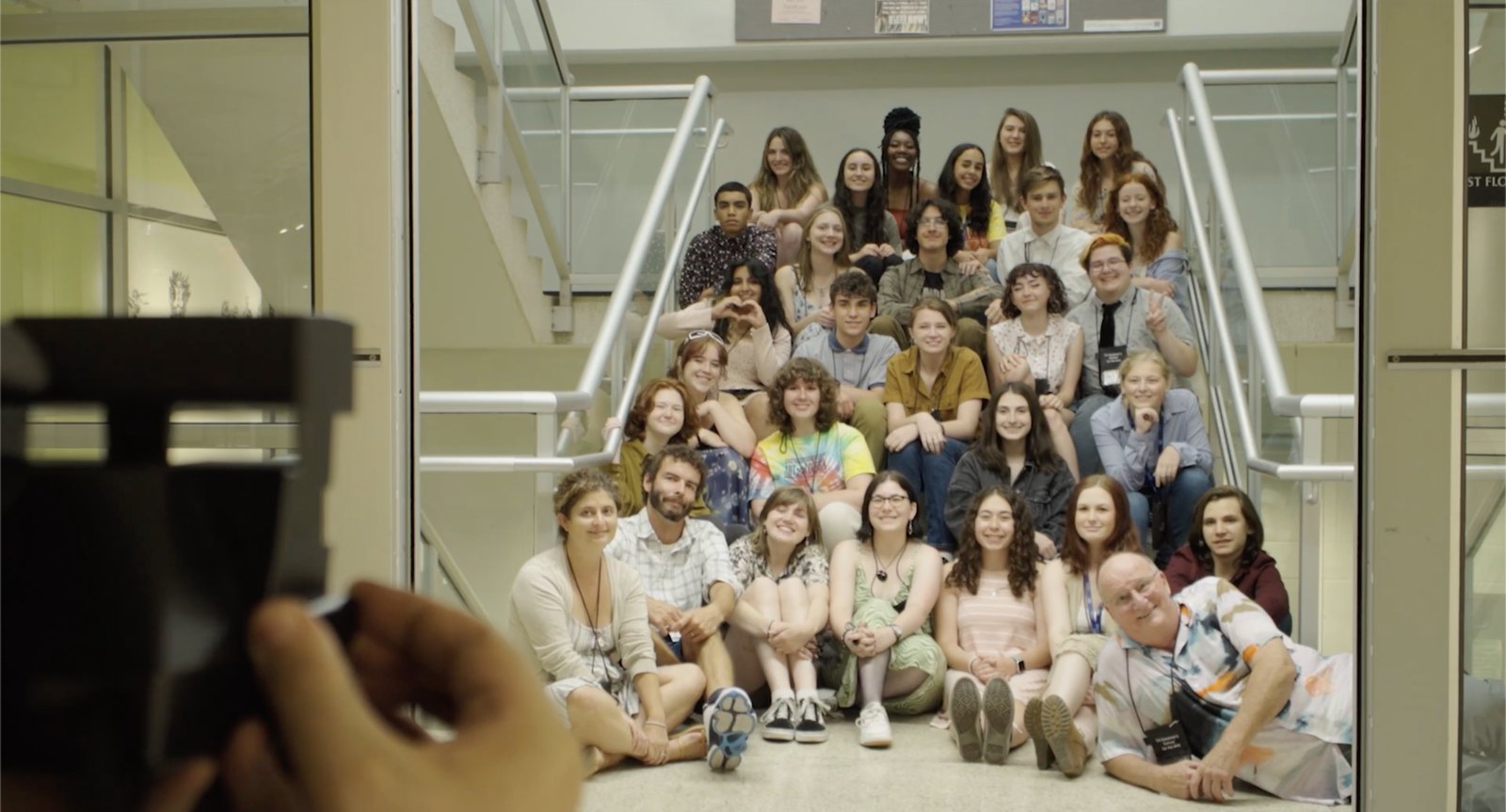
The students arrive with different opportunities behind them, and confidence that does not neatly correspond to experience. Henry brings work he has only just attempted. Kennedy struggles to believe she can call herself an artist. Lyla arrives from a strong school media program and has to learn to share a film with other people. For Henry, going through a more structured version of the creative process offers extraordinary value. For another student, a disappointing image can feel like evidence that a cherished future is slipping away. Whittemore finds drama in the gap between how much these teenagers have learned and how much they expect themselves to know.
He also finds plenty to laugh about. Henry's comedy, I Hate My Boss, grows from a workplace grievance into a group production with a restaurant to secure and a chicken costume to locate. At the screening, he thanks the boss who inspired it (in jest) and explains that the man is absent because he was not invited. The joke belongs to a young writer discovering an audience, and the film is wise enough to enjoy it before asking it to mean anything more.
Henry's project also gives the documentary one of its clearest narrative threads. An idea that works in a table read must survive rewriting, unavailable locations, and actors waiting for direction. When the group cannot use the restaurant kitchen, his prepared shots have to change. We know enough about his plan to understand the dilemma, and enough about the schedule to feel what a delay might cost. Whittemore's editing turns a production problem into suspense without inflating it into catastrophe.
Early on, the students gain essential insight into the nature of complex creative endeavors. In creative collaboration, the piece no longer belongs only to the author. The nature of collaboration may change it beyond recognition. Henry later credits his group with additions that made the film funnier, including the chicken business he never wrote. The pleasure is not just that he gets a film made. He can recognize it as his own while acknowledging how other people's contributions have enhanced it.
The instructors face a different version of the same problem. Spenser Fritz remembers arriving determined to make the student films as good as possible. He would take the difficult shot, pull the focus, fix the lighting, until John Ashworth, who started the filmmaking program, questioned how such intervention might limit the growth of the students.
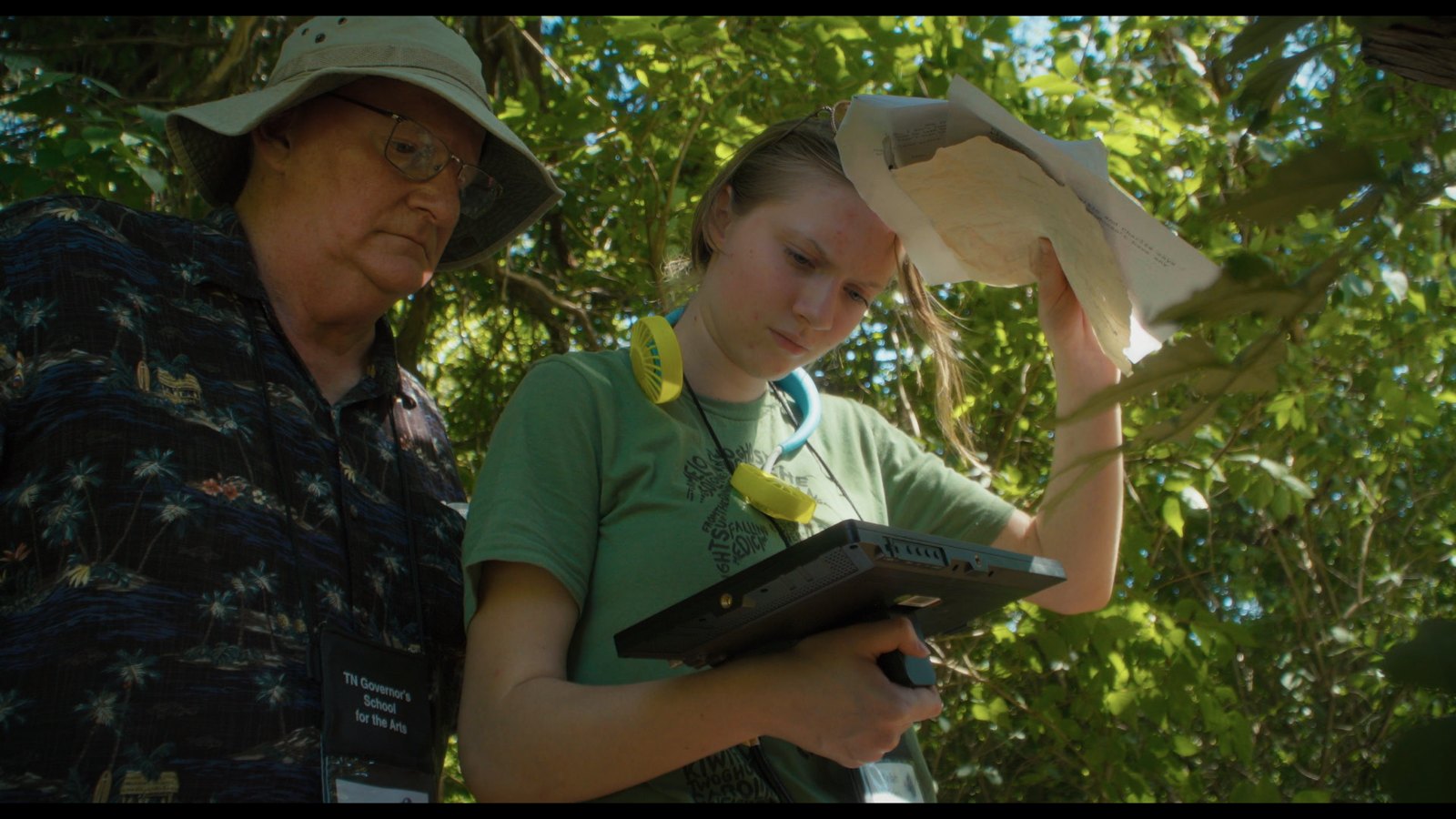
Ashworth's legacy persists in the program in many ways, including the practical objects the students use to make their projects. He found secondhand wheelchairs for camera moves and made slates from binders. His colleagues remember him putting things that looked like junk within reach of students who could turn them into equipment. These recollections give the film's affection something solid to rest on. Encouragement meant finding a way to make the next shot possible.
Late one night, a group attempts a dolly zoom, the disorienting effect Alfred Hitchcock made famous in Vertigo: the camera moves one way while the lens zooms the other, so the background seems to stretch or collapse behind the subject. It takes camera movement, zoom, and focus working in near-perfect coordination, and they are working with limited equipment late at night. The student who proposed it is ready to abandon the idea rather than keep everyone working. Fritz encourages them to keep trying and resists the temptation to take the camera himself.
There is a natural tension in this segment. As an audience, we hope they can nail the shot, but also know that they need to achieve it on their own. An adult could solve the technical problem while quietly taking the achievement away. Fritz gives them space to attempt it alone and eventually recognizes that the shot is not even the point. Mentorship requires balance. Too much help impedes learning, while too little impairs the utility of the mentorship itself.
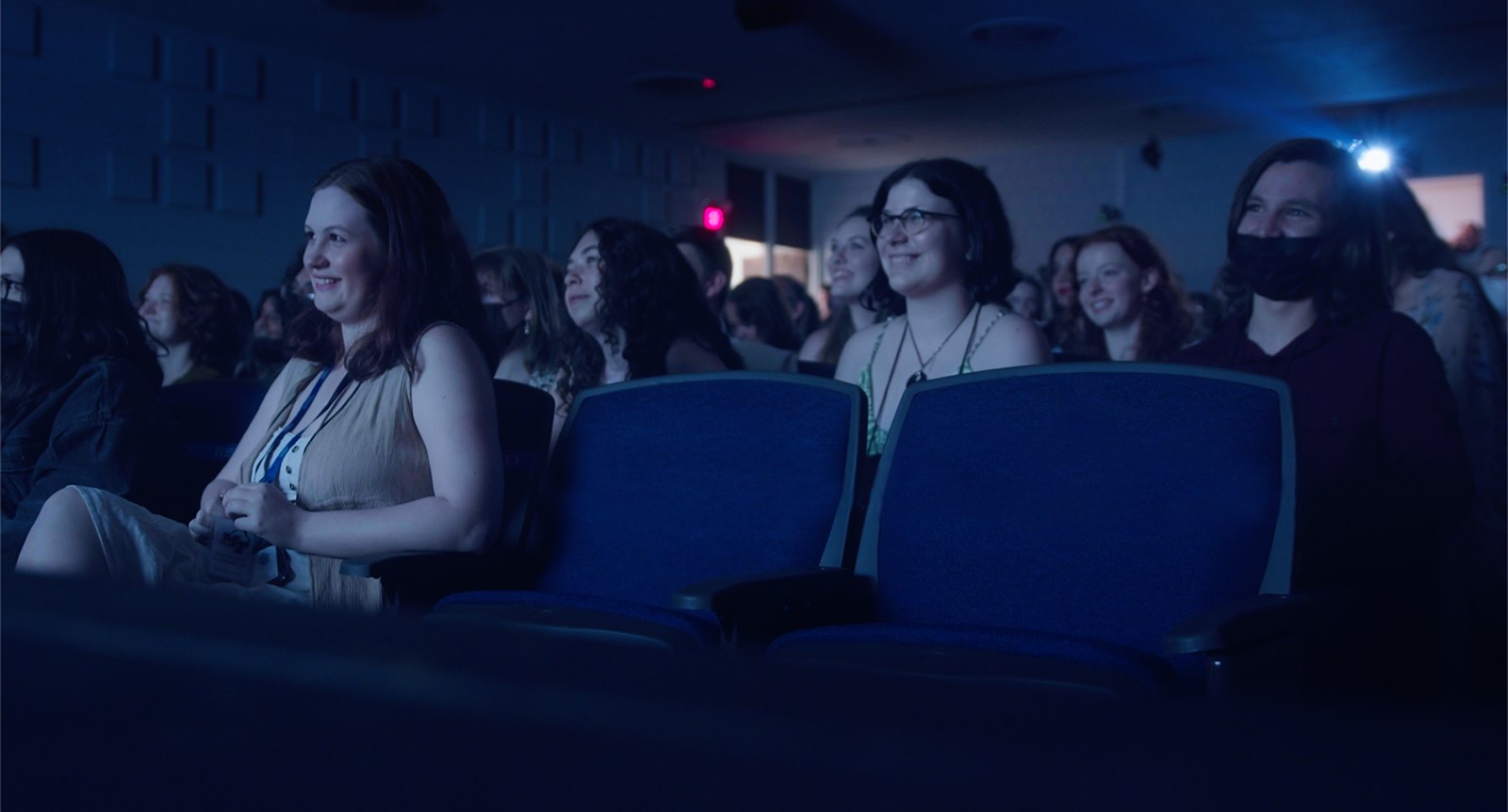
By the time the students screen their work, the documentary has taught us how to watch it. We remember the locations that almost fell through, the scenes that needed changing, and the people who carried equipment for a film that was not their own. An audience's laughter is no longer just a sign that the screening is going well. It is the joy of their experience reaching people who were not there to experience it themselves, further underscoring the wonders of the creative discipline they are engaging with. The goodbyes have weight because these students have acquired more than familiarity. They know what it is to depend on one another.
Whittemore could stop there. Instead, he returns to his own uncertainty. In a later conversation, he recalls coming back to teach the following year and finding students on their phones with a screening approaching. He told them he was disappointed. The next morning, he learned that his words had upset them far more than he realized.
He still thinks the work needed addressing. What unsettles him is discovering the weight his judgment now carries. An older instructor reassures him, but that reassurance does not settle whether the exchange was handled well. We hear the incident through Whittemore's account. What the scene gives us is an adult trying to understand the effect he was told he had, and needing help himself.
That is the film's most valuable complication of its own warmth. Remembering how much a teacher mattered does not tell you exactly how to become one. Nor does caring about a student guarantee that your care will be felt in the words you choose. The finished shorts can be screened; the work of helping their makers is harder to declare complete.
Ashworth wanted students to go home knowing they could keep making films. Whittemore has returned and made one that serves as proof of that desire's realization, through the film itself and the lives of the students it captures. Its affection is earned by showing how the work extends to the students and the audience. As closely related as the two clearly are, making a film is not the same as showing someone else how to do it. Little Hollywood, Tennessee shows us how the learning never truly ends, even when it changes form, and how subverted expectations can produce a magical beauty of their own.
Viewed on a press screener supplied by the film's team ahead of the 2026 Nashville Film Festival.
- First impressionWhere the Hell Is Anna? Knows How to Welcome You In
- First impressionSafe for the Whole Family Asks Who It Was Really Safe For
- InterviewLittle Hollywood, Tennessee: A Runway to Fail
- First impressionMexican Delight: The Fear of Wanting
- InterviewTaylor Dupuis on Why Anna Wants to Stay
- First impressionYour Mother Your Mother Your Mother Finds Its Way Home
- First impressionFrampton: What Comes After the Peak
- Field dispatchThe Art of Saying Yes: John Papsidera at the Nashville Film Festival
- First impressionJackrabbit Knows the Value of a Good Liar
- First impressionThe Company You Keep: Seven Shorts from the Nashville Film Festival
- Field dispatchSongs from the Circle at the Nashville Film Festival
- The full festival guide