Mexican Delight: The Fear of Wanting
Andrés Pérez-Duarte's ten-minute short gives a devout woman's fear of her own desire a simple, exhausting task: do not fall asleep.
First impression, not a score. Any TVI score for this work follows its general release under the published methodology. Scores are not for sale.
Contains discussion of the ending.
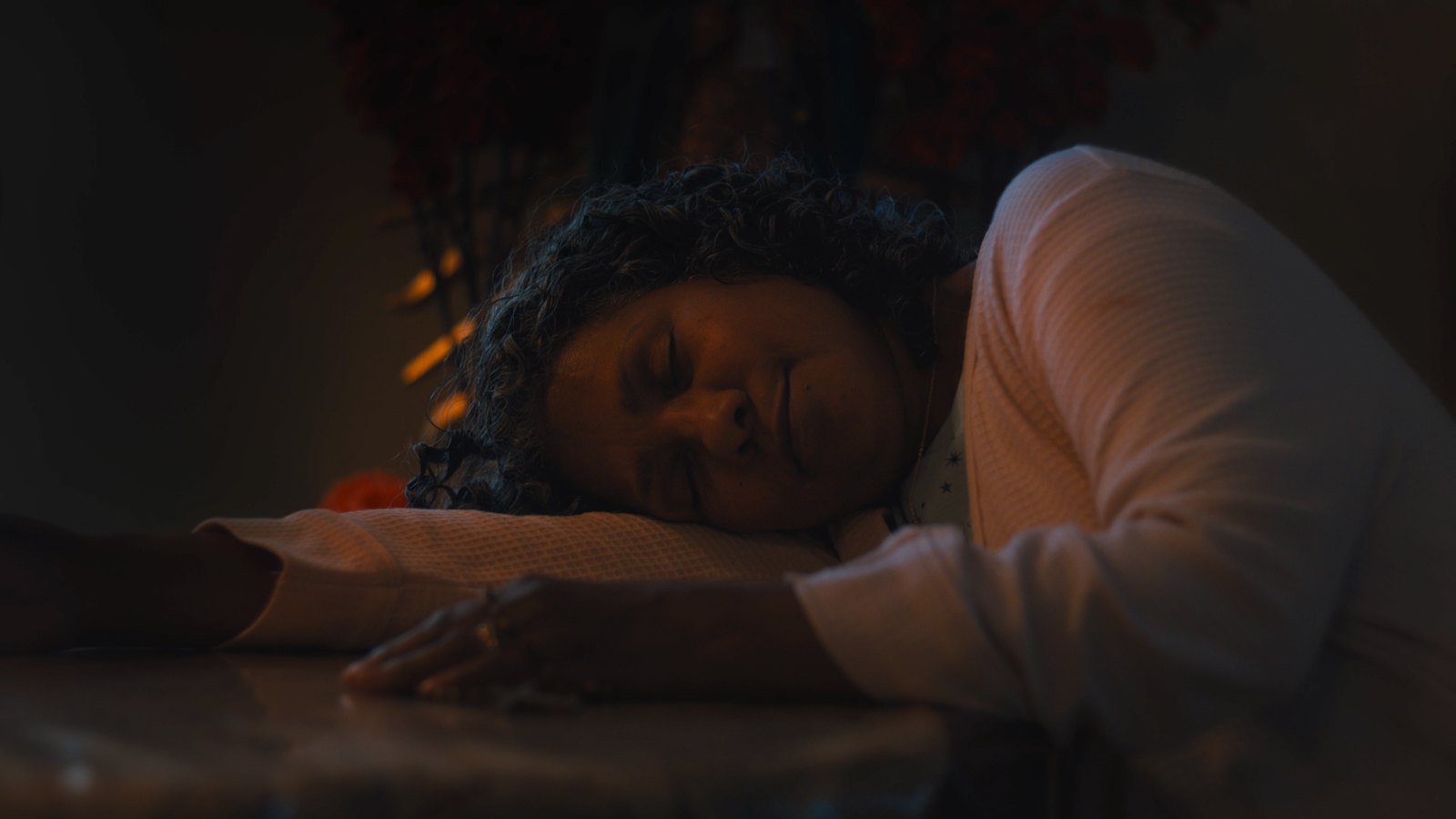
Luz is afraid of her dreams, so she decides not to have them. She prays the rosary, Hail Mary after Hail Mary. When prayer stops working, she eats habanero peppers to keep herself awake. Instead of having her explain her conflict, writer-director Andrés Pérez-Duarte gives her an increasingly exhausting way to avoid it.
When a dream gets through, she says aloud how good it feels, then wakes ashamed. What distresses her is not something frightening she has experienced, but something pleasurable she believes she should not want. She has done nothing to invite it, yet seems to regard having felt it as a failure she must correct.
There is a little humor in the extremity of her solution, but the peppers are more sad than funny. Luz takes them with convincing desperation, choosing pain on purpose, again and again, to hold off the pleasure that leaves her ashamed. The performance keeps her suffering credible even as her methods grow absurd. Eventually, she is vomiting into the toilet, made sick by her attempt to keep her thoughts and desires under control.
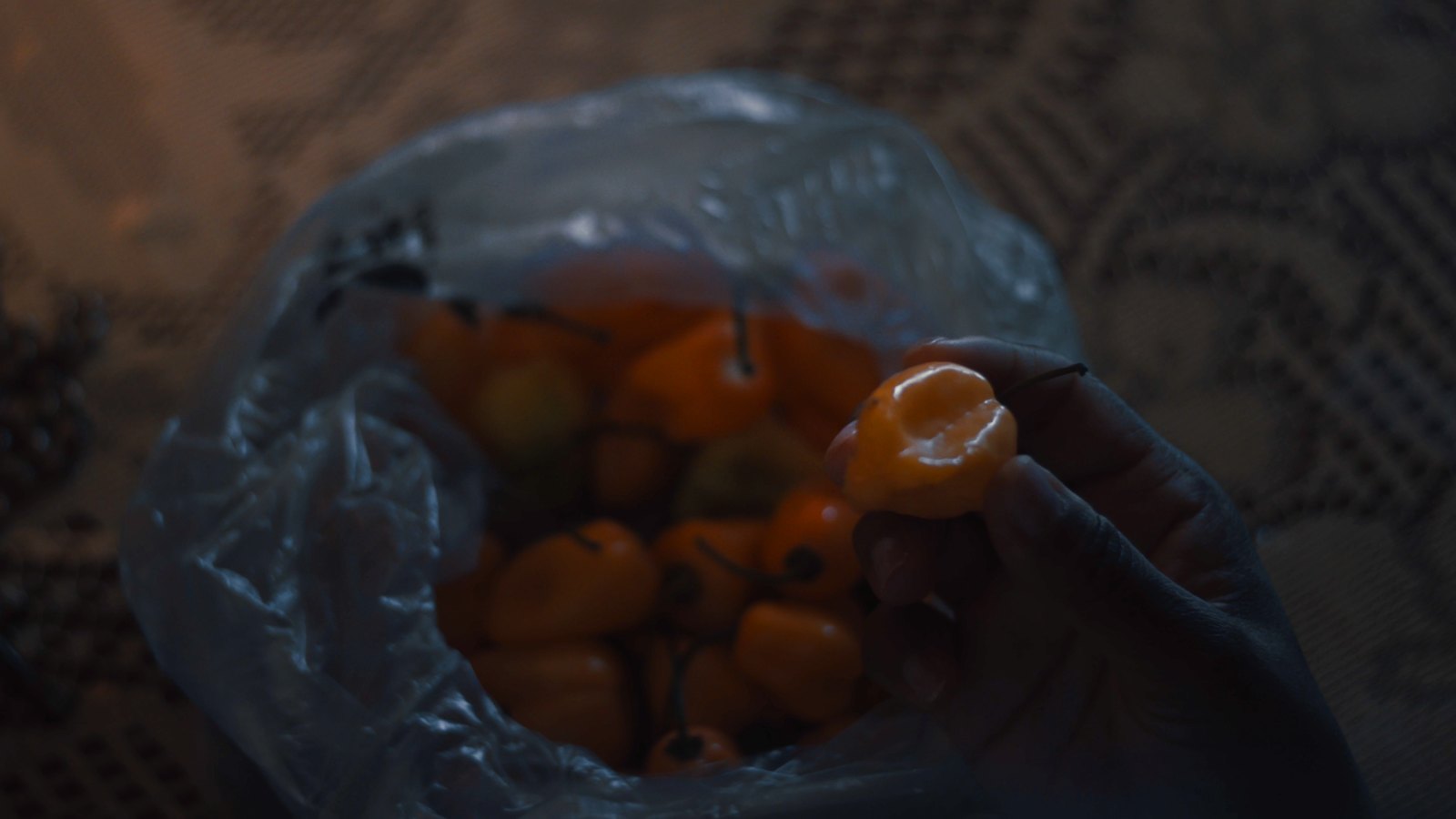
Pérez-Duarte and cinematographer Silvia Lara let the camera share her exhaustion. After a night without sleep, the daylight image goes soft. When her husband comes in to talk to her, the focus drifts in and out, as if the film itself is struggling to stay awake.
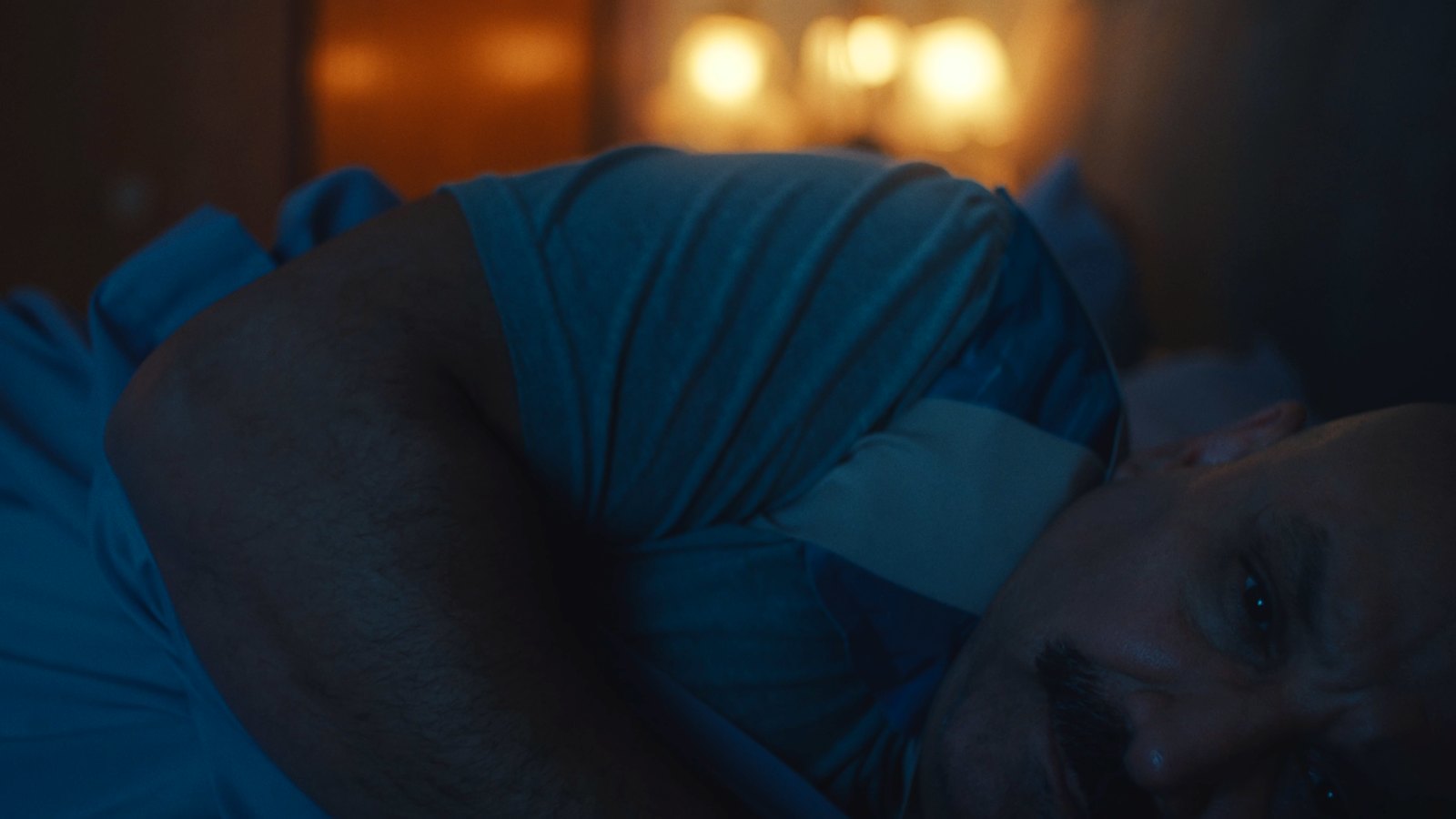
Her husband is not the villain here. He tells her she is acting strangely and asks whether she is going to bed. When she tries to initiate sex, he pulls back and asks whether she still has habanero on her hands. Then he tells her he still loves her and turns away to sleep. His concern seems genuine, though the look as he turns leaves some uncertainty about how much those words reassure either of them. The scene suggests a marriage with affection in it, but not much ease.
Sleep is the one place her discipline cannot reach. Pérez-Duarte keeps her awake until she cannot stay awake, then lets the dream say what she will not. The eventual image of a woman giving Luz oral sex makes sense of the night's strange exertions. What might have remained an eccentric premise becomes a painfully clear account of the lengths she will go to avoid acknowledging her own desire.
The short's most satisfying achievement is how it completes that thought without pretending to settle her life. Luz does not have to define her sexuality, decide the future of her marriage, or abandon her faith before she can stop punishing herself. Acknowledging what she feels is not the same as deciding what to do about it. For the moment, she needs only to allow the feeling to exist.
At the end, Luz wakes from the dream and reaches, as she has all night, for another pepper. This time she stops. Her next gesture is slightly funny, but the wish behind it is sincere: she wants to enjoy the dream without feeling judged. She turns the statue of Jesus to face away, lies back down, and falls asleep smiling.
Viewed complete on a press screener supplied by Big Loud ahead of the 2026 Nashville Film Festival, where it premiered in the Tennessee Shorts program Cracks in the Foundation.
- First impressionWhere the Hell Is Anna? Knows How to Welcome You In
- First impressionSafe for the Whole Family Asks Who It Was Really Safe For
- First impressionLittle Hollywood, Tennessee: The People Who Help You Begin
- InterviewLittle Hollywood, Tennessee: A Runway to Fail
- InterviewTaylor Dupuis on Why Anna Wants to Stay
- First impressionYour Mother Your Mother Your Mother Finds Its Way Home
- First impressionFrampton: What Comes After the Peak
- Field dispatchThe Art of Saying Yes: John Papsidera at the Nashville Film Festival
- First impressionJackrabbit Knows the Value of a Good Liar
- First impressionThe Company You Keep: Seven Shorts from the Nashville Film Festival
- Field dispatchSongs from the Circle at the Nashville Film Festival
- The full festival guide