The Company You Keep: Seven Shorts from the Nashville Film Festival
From a stolen body in the California desert to a village schoolroom, NashFilm’s Friday afternoon shorts block was about the people who show up for us, and the ones who don’t.
From the festival's Narrative Shorts: Company You Keep block at Regal Green Hills, Friday, September 25. A review of seven short films, not a score. Scores are not for sale.
Spoiler note: this review discusses the endings of several films.
A great short film has to do in ten minutes what a feature gets two hours to accomplish. It has to build a world, make you care about the people in it, and land an emotional payoff before the credits roll. Watching seven of them back to back is a little like speed dating with filmmakers from five countries, and the “Company You Keep” block at Regal Green Hills on September 25 was one of my favorite afternoons of the festival.
Every film centered on duos and ensembles, and together they explored friendship under pressure: what we’re willing to do for each other, and what happens when we fail to show up.
See You in the Morning
Dir. Gaby Clingman | USA | 10 min
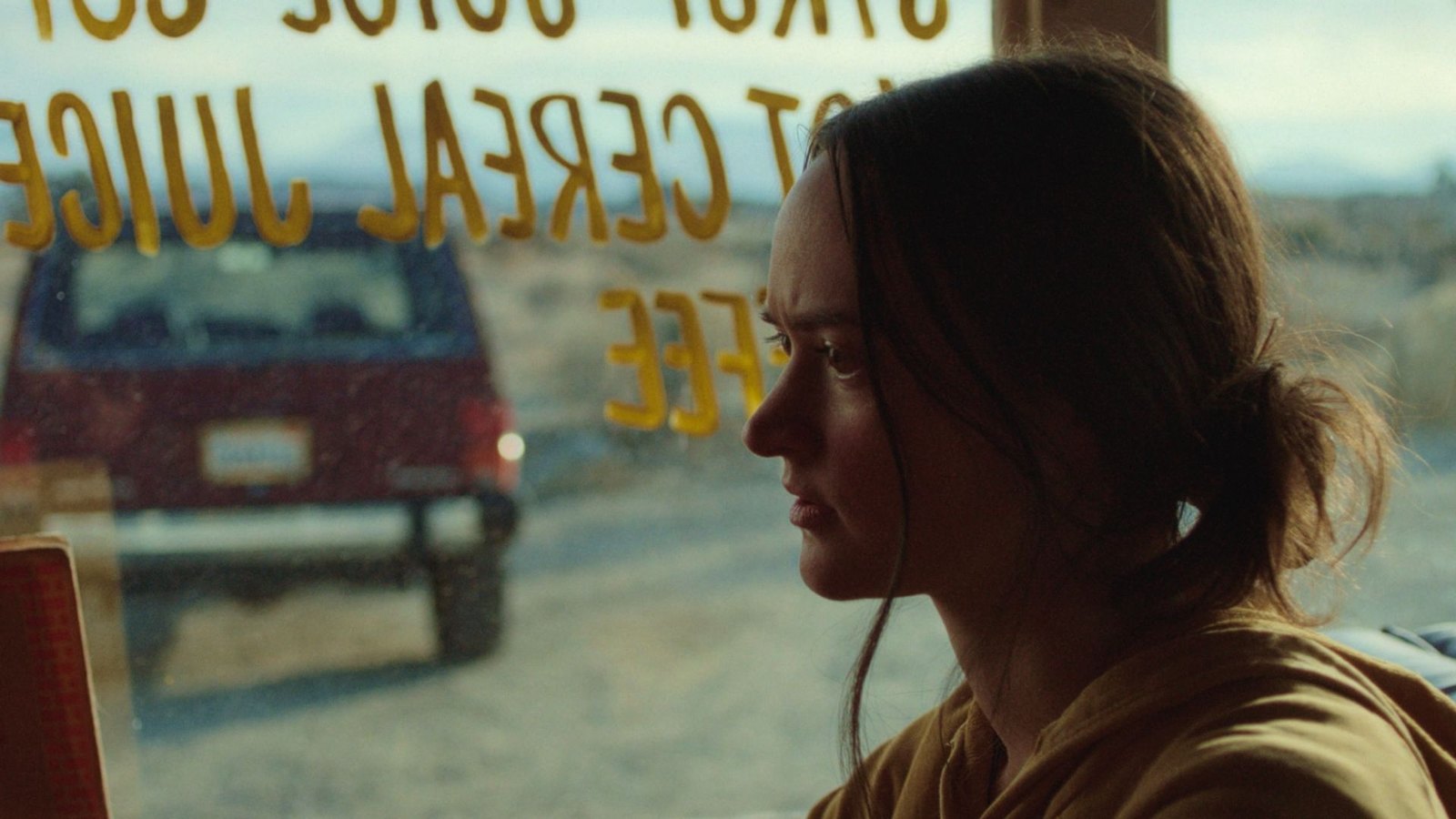
It’s the summer of 1997, and Sadie’s girlfriend Grace has died unexpectedly. When Grace’s family takes custody of her body, Sadie and her friends Rachel and Lena steal it from a county morgue, pack a beat-up Jeep with ice, and head into the desert in search of an illegal cremation. The film never explains the rift with Grace’s family, and it doesn’t need to. What matters is how fiercely these friends refuse to let Grace go without honoring what she wanted.
The premise is inspired by a true story Clingman has been obsessed with since high school. When country rock pioneer Gram Parsons died in Joshua Tree in 1973, his road manager, Phil Kaufman, stole his casket from LAX to honor his wish to be cremated in the desert. In a local twist, Kaufman now calls East Nashville home.
The cinematography is strong and the performances are grounded, especially in an early scene where the women have to play it cool at a gas station with a body in the trunk. The ending, as the friends scatter Grace’s ashes in silence while sirens grow louder in the distance, is a perfect final image: an act of love that doesn’t ask anyone’s permission.
All the Real Boys
Dir. Ohad Ira Amram | USA | 11 min
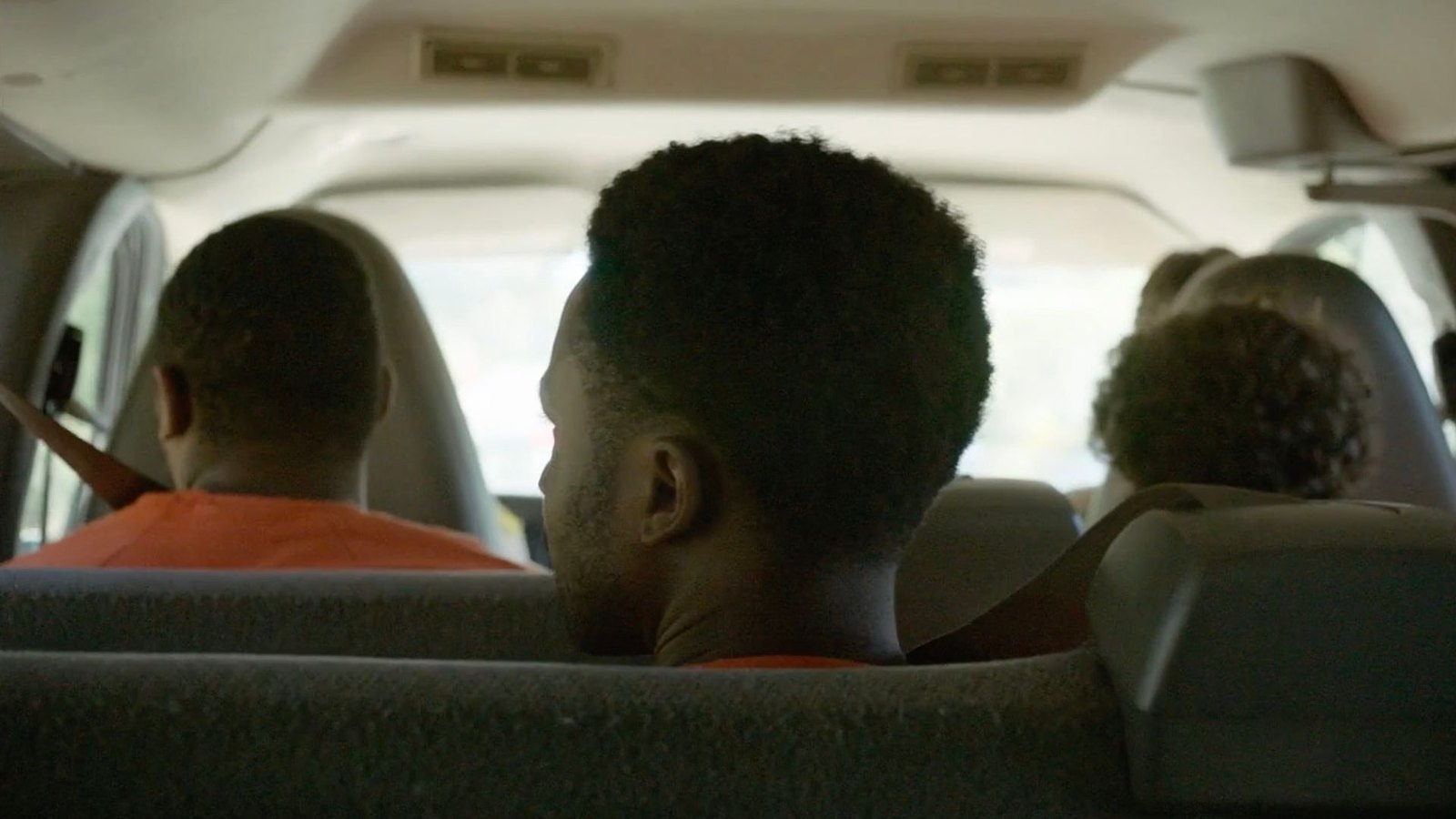
Jay leads a crew of young incarcerated men on their routine litter pickup, keeping things light with his friends Chris and Chase. When fellow inmate Darius shuts everyone out, Jay tries to reach him before it’s too late.
The opening is the most fun two minutes of the entire block. The crew trades a running joke built on puns, riffing about smoking whatever made Slim Shady so shady and Lucille Ball bawl, each guy trying to top the last. It’s young men connecting through humor in a place designed to keep them apart, and the energy is infectious.
Amram wrote the script to explore young men’s mental health and the bravado society so often conditions men to perform, even when they’re struggling. He chose a prison setting because the system so often exists to punish rather than rehabilitate. He got resourceful with casting, too, sometimes trusting a face and his instincts over a long résumé, and the cast is clearly committed.
For me, a few lines of dialogue didn’t quite ring true, and the ending arrived more quickly than I expected. The heart behind the film is unmistakable, though, and that opening shows a real ear for how friends talk to each other.
We Were Here
Dir. Pranav Bhasin | India | 11 min
One of the most common fears about AI is that it will take people’s jobs. We Were Here takes that fear and runs headfirst into absurdity. In what the festival describes as a crumbling Indian town, three retired men protest machines replacing human workers by pretending to be household appliances. One plays a satellite. Another is a microwave. A third is a backup camera.
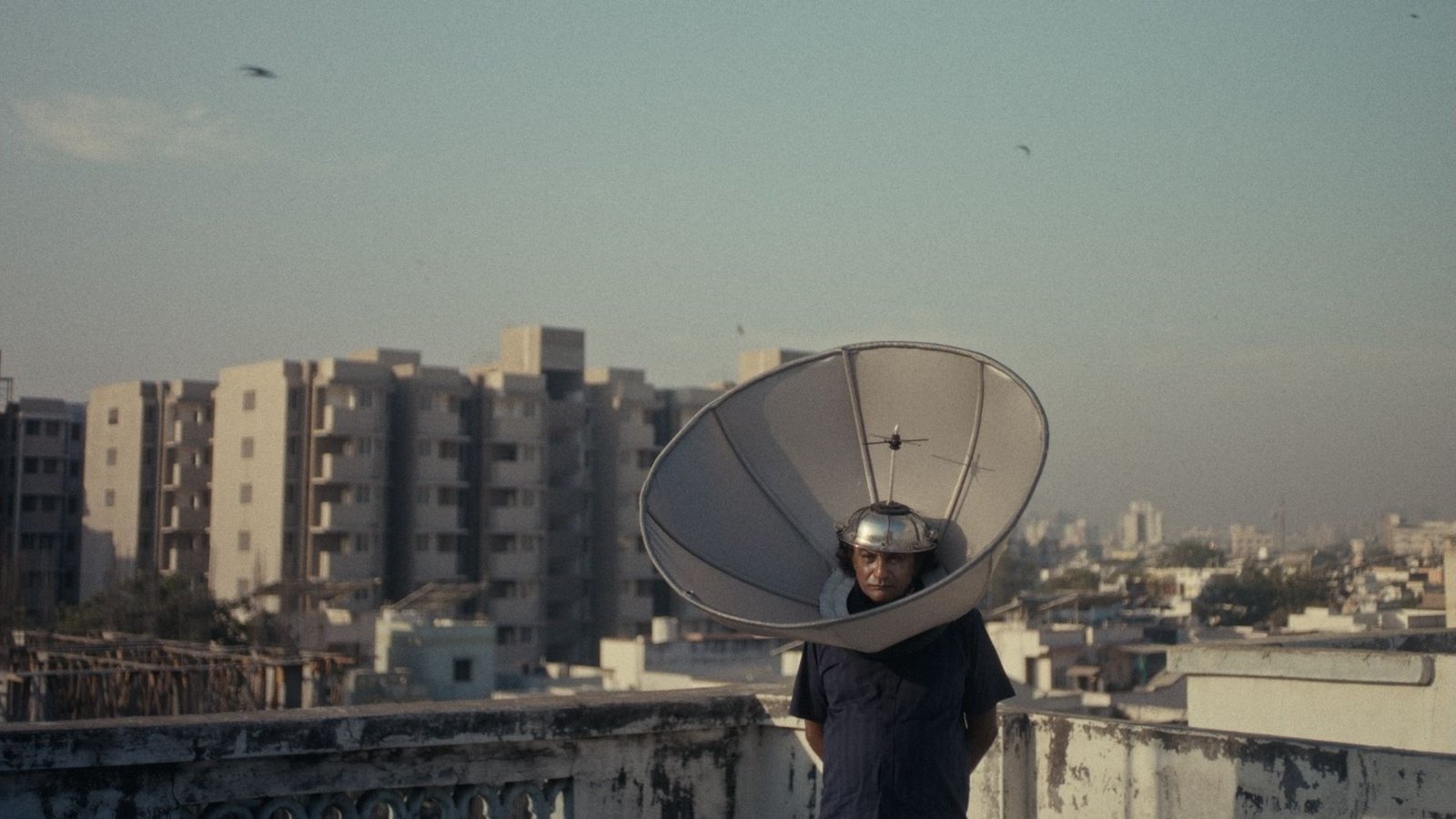
At first, it plays like a parody of people who resist new technology. Grown men earnestly playing kitchen appliances is ridiculous, and the audience laughed accordingly. By the end, though, you start to wonder whether these men were onto something all along.
What impressed me most is how believable everyone is. For a premise this far out there, the performances never wink at the audience, and that sincerity makes the satire work. This was the most entertaining film in the block, and one of my two favorites.
Angels
Dir. Sam Mandich | Written by Annabel Newland | USA | 10 min
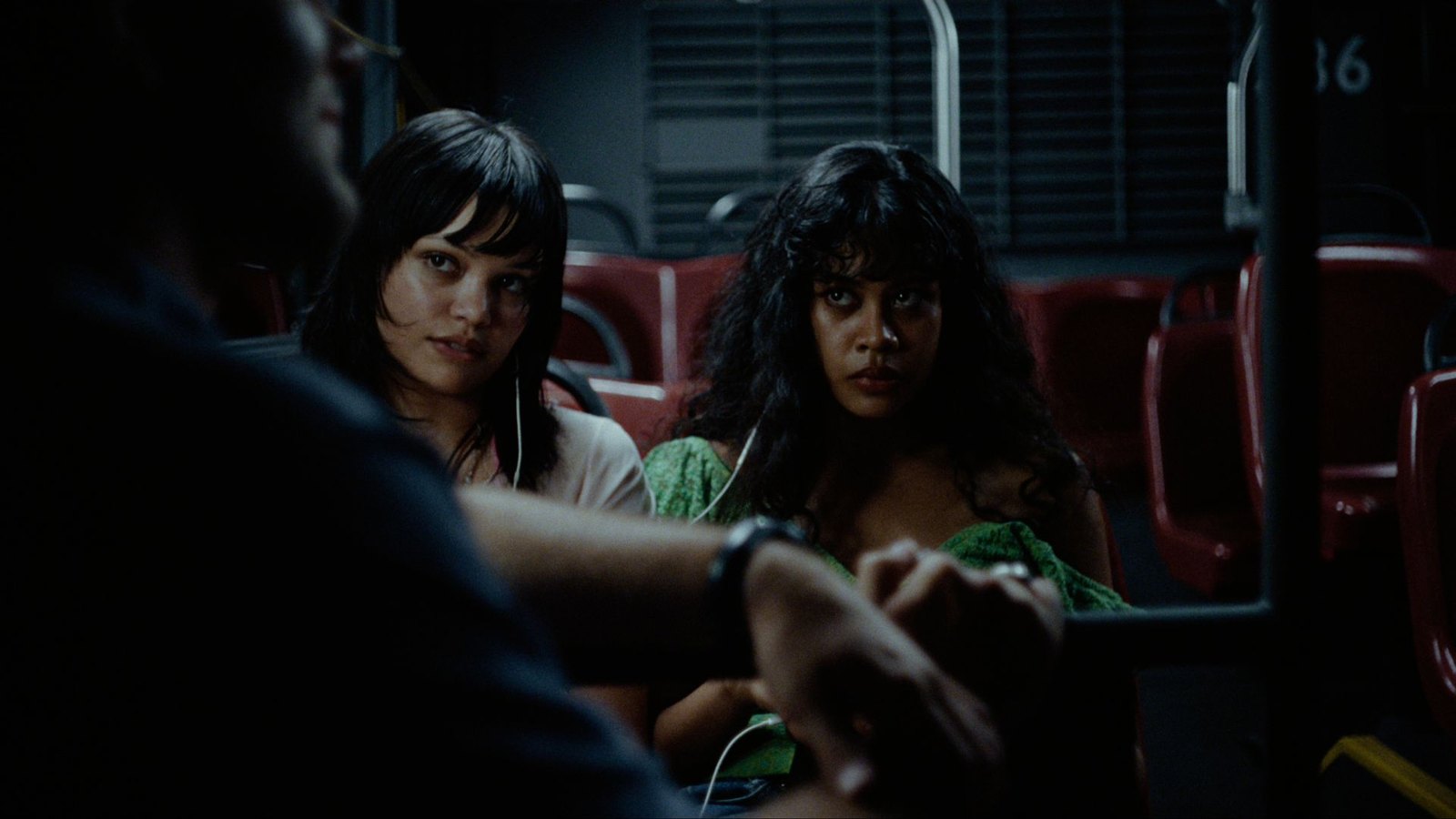
Sixteen-year-old best friends Marcy and Em are headed to a party when a bus ride goes wrong in more ways than one. A group of older guys pressures them into a drinking game the girls are far too young for, leaving one friend feeling betrayed by the other. Then a man who has been watching them follows them off the bus and starts to chase them.
As a woman, this one was stressful to watch, which is exactly the point. Screenwriter Annabel Newland based it on a night in Sydney, Australia, when she and a friend were chased by a man on the way to a party. Director Sam Mandich had an almost identical memory from Long Beach, California, and every woman on their producing team had a version of it too.
What makes Angels stand out is that it captures both sides of female friendship in just ten minutes. On the bus, we see what happens when friends stop looking out for each other. Caught up in attention from strangers, one girl sides with the guys instead of her best friend, pushing her toward something she clearly doesn’t want and isn’t safe. Her friend feels completely alone, and the damage is immediate.
The ending shows the other side. The girls make it to the party with mascara running down their faces, trembling and shaken. They don’t talk about what happened, but neither pretends it didn’t. Then they start singing karaoke together, softly at first, their voices barely coming out. Little by little they make eye contact, reconnect, and even smile. It’s a beautiful moment of sisterhood. Of all seven films, Angels might embody the block’s theme most completely. It shows what happens when we don’t take care of each other, and what becomes possible when we do.
Laterz
Dir. Chelsea Ingram | Written by Chelsea Ingram & Nora Alalou | Australia | 11 min
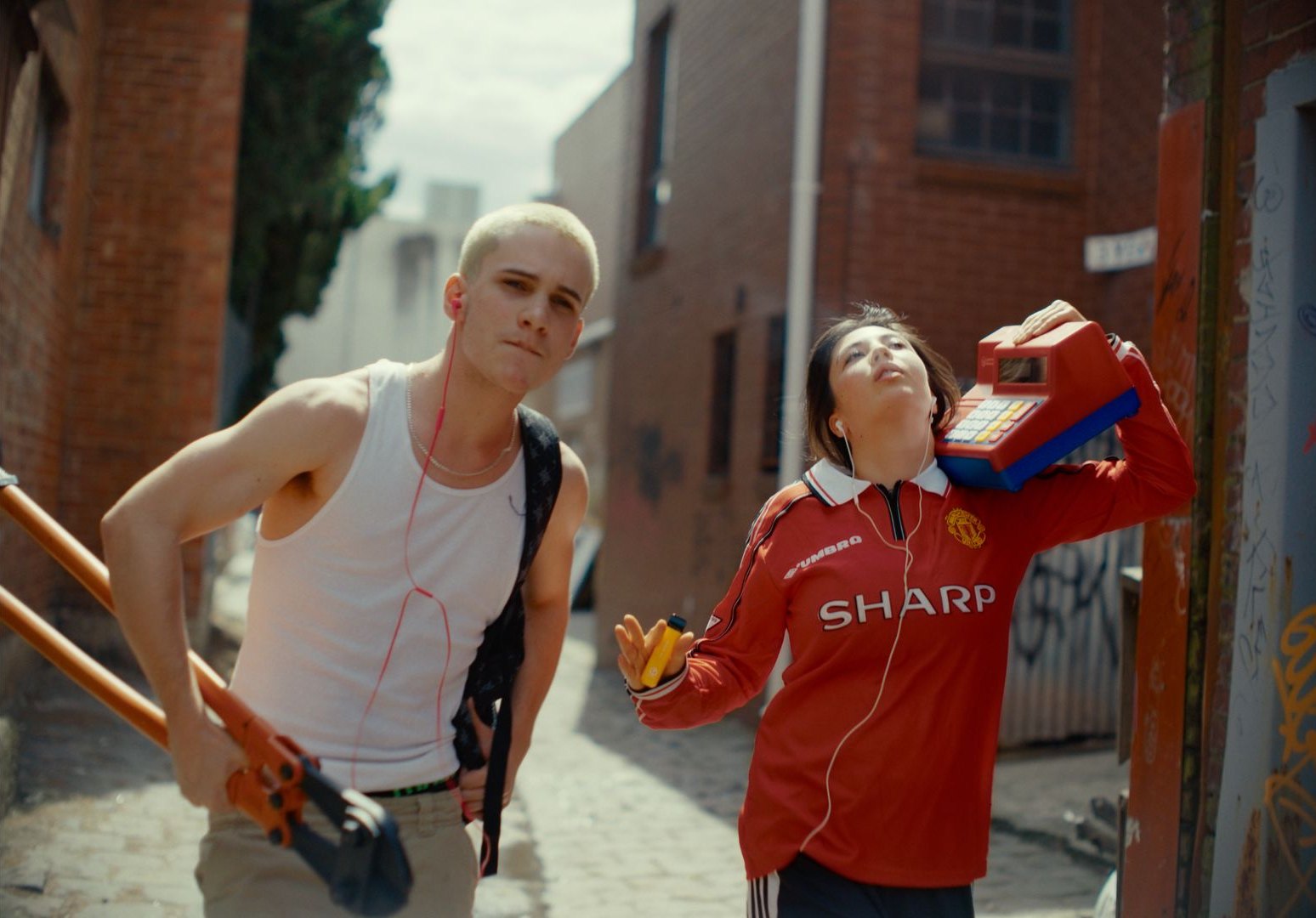
Dazza is an aspiring rapper from Melbourne. When a local radio station offers a legendary golden record as a contest prize, she and her best mates, Cash and Wombat, need $200 by 4 p.m. to bribe their friend at the station. Cue a day of increasingly absurd schemes, from selling fake drugs to kids to robbing a pizza shop.
The whole theater laughed from start to finish. Laterz plays like a fever dream in the best way, with saturated colors, a pulsing soundtrack, surprise dance breaks, and moments so bizarre you can’t quite believe what you’re watching. The trio even hauls a child’s toy cash register around to collect their money.
The story behind it gave the film real heart. The filmmaker who spoke for Laterz shared that it’s a portrait of her older sister and her sister’s friends as she saw them as a kid. When she was being bullied, that group took her in, and they always said goodbye with “laterz.” She has since lost her sister to addiction and hasn’t seen her in about eight years. Her goal was to capture that stretch of childhood before the weight of adulthood arrives, and knowing that makes all the mayhem feel tender.
Gamberra
Dir. Marine Auclair March | Spain | 19 min
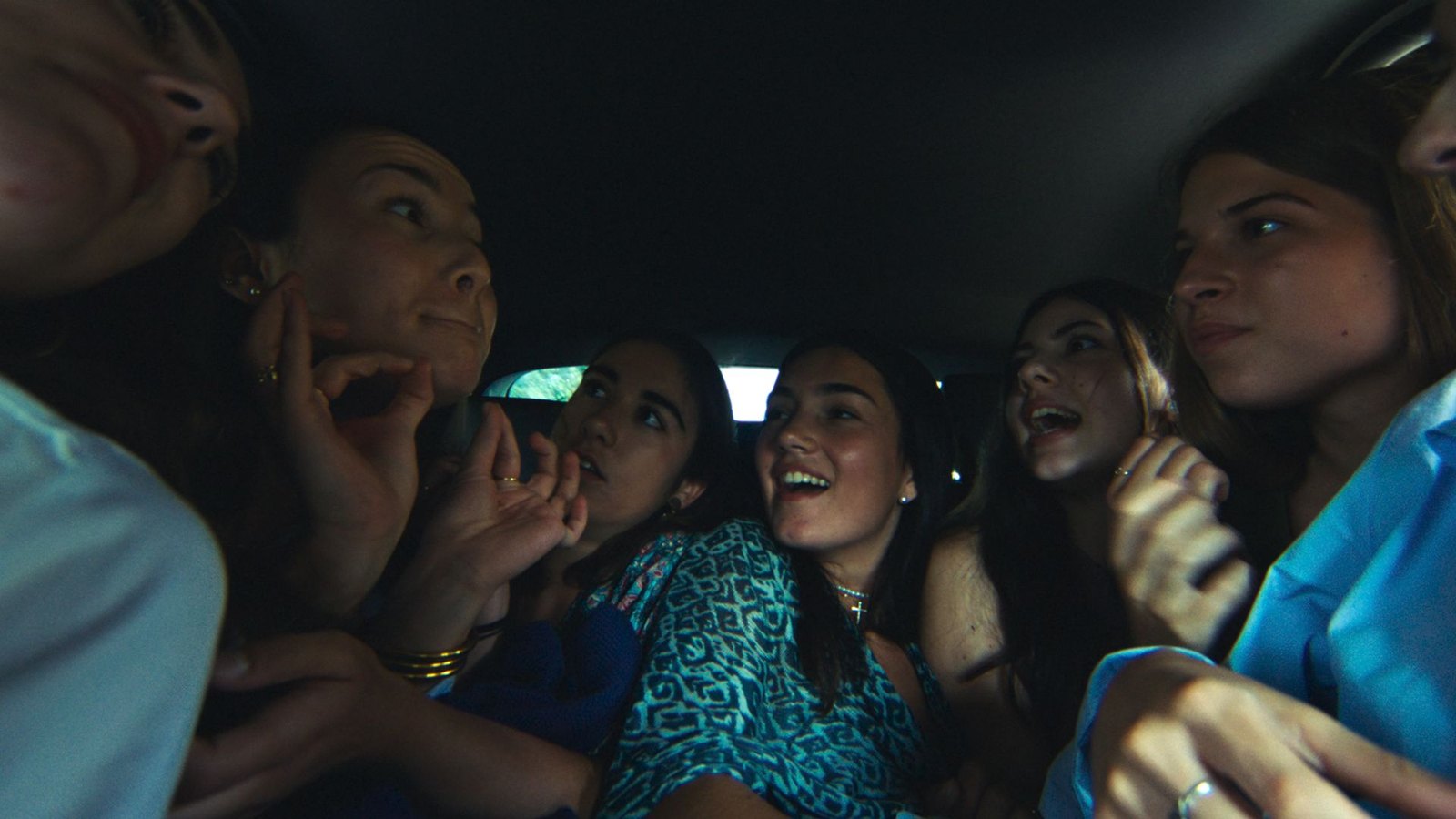
Marta is a first-year student at a conservative, elite college residence where sex is shameful and accurate information is scarce. When she needs emergency contraception, she asks her boyfriend to come with her. He brushes her off and tells her she’s fine. With nowhere else to turn, she searches for the pill with help from a classmate the others have written off because of her reputation.
Her classmate did exactly what Marta wanted her boyfriend to do. She showed up. That’s what makes the rest so heartbreaking. When the pressure of the group closes in, Marta, frightened and desperate to belong, turns her back on the one person who helped her. It’s hard not to feel for both young women: one punished for her kindness, the other so afraid of being cast out that she abandons her own conscience.
The title adds another layer. Gamberra roughly translates to a rowdy troublemaker, the kind of label a community like this would pin on a girl with a reputation. The film flips that judgment on its head. The girl everyone has written off turns out to be the most loyal person in the building.
Auclair March has said the film’s central image was inspired by an initiation “baptism” at a Madrid residence hall that went viral, and by the rise of the far right among young people. Her film shows how the need to belong can make people go along with things they know are wrong, and how the fear of being left out keeps everyone else quiet. It’s a deeply compassionate film about a deeply cruel system.
White
Dir. Navroz Shaban | Kurdistan Region of Iraq | 12 min
The film opens on a large white sheet in a small village classroom. We don’t know what it’s for, or whether it will matter at all. Then it’s taken away, and the children are crushed. The film never tells us why.
After school, the kids do what kids do. They play, run around, and goof off together. Gradually, you notice they’re up to something. One by one, they set off on their own small journeys through the village, each returning with some odd little treasure. We have no idea what they’re planning, and that mystery is part of the magic.
In the final moments, we finally see what they’ve been gathering: white paper, a scrap of white fur, a pair of white pants, anything white they could find. They’ve glued every piece together against a rock wall outside, creating a movie screen of their own right there in the village, and they surprise their teacher with it. Suddenly the heartbreak at the beginning makes perfect sense. The bumpy patchwork picture isn’t perfect, and it doesn’t matter one bit. The kids are laughing and full of joy, and their teacher is overjoyed. It’s clear the movie isn’t what moves him. The children are.
The whole gesture reminded me of kintsugi, the Japanese art of mending broken pottery with gold so the repair becomes part of the beauty. The film is in Kurdish, and you don’t need to understand a word of it to understand every moment.
Who shows up
My two favorites were We Were Here and White, for nearly opposite reasons. One scatters its payoffs throughout, while the other saves a single devastating payoff for the end.
Each film in this block answered the same question differently: who shows up for you? Sometimes it’s friends driving a body into the desert. Sometimes it’s a best friend singing beside you with shaking hands. Sometimes it’s a handful of kids with scraps of anything white they could find.
See You in the Morning, All the Real Boys and Gamberra are available to stream through the Nashville Film Festival’s virtual catalog until Monday, October 5. If you can, watch them with a friend.
Keep up with TV Intelligentsia
For more conversations about film, television, and the people who make them, follow TV Intelligentsia at @tvintelligentsia. You can also find Cordelia Witty, school psychologist and co-founder of TVI Kidz, at @cordeliatv__.
- First impressionWhere the Hell Is Anna? Knows How to Welcome You In
- First impressionSafe for the Whole Family Asks Who It Was Really Safe For
- First impressionLittle Hollywood, Tennessee: The People Who Help You Begin
- InterviewLittle Hollywood, Tennessee: A Runway to Fail
- First impressionMexican Delight: The Fear of Wanting
- InterviewTaylor Dupuis on Why Anna Wants to Stay
- First impressionYour Mother Your Mother Your Mother Finds Its Way Home
- First impressionFrampton: What Comes After the Peak
- Field dispatchThe Art of Saying Yes: John Papsidera at the Nashville Film Festival
- First impressionJackrabbit Knows the Value of a Good Liar
- Field dispatchSongs from the Circle at the Nashville Film Festival
- The full festival guide